
Uncategorized

اختيار أفضل دكتور مسالك بولية بدبي: خبرة عالية وخدمات متطورة

افضل و امهر دكتور مسالك بولية للنساء في دبي 

افضل و امهر دكتور مسالك بولية للنساء في دبي دكتور مسالك بولية للنساء 1. مقدمة في أمراض المسالك البولية تعتبر أمراض المسالك البولية دكتور مسالك بولية للنساء من القضايا الصحية الهامة التي تؤثر على الكثير من النساء. وتشمل هذه الأمراض مجموعة متنوعة من المشاكل التي تؤثر على الكلى والمثانة والمسالك البولية. ومعرفة كيفية تشخيص وعلاج هذه الأمراض أمر بالغ الأهمية للحفاظ على صحة المرأة وراحتها. سنقوم في هذا الكتاب بتقديم مقدمة شاملة حول أمراض المسالك البولية، بما في ذلك الأسباب المحتملة لهذه الأمراض والطرق الشائعة لعلاجها والوقاية منها. 2. التشخيص السريري لأمراض المسالك البولية يتناول هذا القسم العوامل المهمة التي يجب مراعاتها أثناء التشخيص السريري لأمراض المسالك البولية للنساء. ومن بين هذه العوامل التاريخ الطبي للمريضة، حيث يجب الاستفسار عن الأعراض التي تعاني منها والظروف المحيطة بظهورها. كما يتضمن التشخيص السريري فحصاً جسدياً معمقاً يشمل الجهاز التناسلي والأعضاء الداخلية المتصلة بالجهاز البولي، مع التركيز على العلامات الحيوية والتغييرات في الظروف البيئية للجسم. وبالإضافة إلى ذلك، يتطرق هذا القسم إلى التقنيات الحديثة في التشخيص السريري مثل استخدام الأشعة والتصوير الطبي والتحاليل المخبرية لمساعدة الأطباء في تحديد أمراض المسالك البولية بدقة وفعالية. 3. التحاليل المخبرية المتعلقة بأمراض المسالك البولية تعد التحاليل المخبرية جزءاً أساسياً من عملية تشخيص أمراض المسالك البولية للنساء، حيث تساهم في تقديم معلومات دقيقة حول الحالة الصحية للمريضة. تشمل الاختبارات المخبرية المتعلقة بأمراض المسالك البولية تحليل البول للبحث عن وجود الدم، البروتينات، والكريستالات، وكذلك فحص زراعة البول لاكتشاف الجراثيم المسببة للالتهابات. بالإضافة إلى ذلك، يمكن أيضاً إجراء اختبارات أخرى مثل تحليل البول بعد الإيلاج لاكتشاف وجود الإصابة بالتهاب المثانة التناسلي، واختبارات أخرى لقياس مستويات الهرمونات المسؤولة عن وظيفة المسالك البولية. 4. التصوير الطبي في تقييم أمراض المسالك البولية يتم استخدام التصوير الطبي في تقييم أمراض المسالك البولية لتشخيص الحالات التي قد تكون غامضة من خلال صور مفصلة للأعضاء الداخلية. يتضمن ذلك تقنيات مثل التصوير بالرنين المغناطيسي (MRI) والتصوير بالموجات فوق الصوتية (Ultrasound) والتصوير بالأشعة السينية. يساعد التصوير الطبي في تحديد الأورام والتسلسل السليم للمسالك البولية ومعرفة وجود أي تشوهات أو إصابات. كما يساهم في تقييم فعالية العلاجات والإجراءات الجراحية المتبعة. يعد التصوير الطبي أداة حيوية في تقييم أمراض المسالك البولية ويسهم في وضع خطة علاجية دقيقة ومناسبة لكل حالة. 5. مشكلات التهابات في الجهاز البولي تشمل أمراض التهابية في المسالك البولية العديد من الحالات مثل التهاب المثانة والتهاب الكلية والتهاب الحالب والتهاب الحالبة والتهاب الإحليل والتهاب مجرى البول. يتم التشخيص عادة من خلال تحليل عينة البول للبحث عن وجود البكتيريا والخلايا البيضاء. يمكن أن تكون هذه الأمراض ناتجة عن التهابات بكتيرية أو فيروسية. يتضمن العلاج النموذجي لهذه الحالات تناول مضادات حيوية للقضاء على العدوى وتقليل الأعراض. ومع ذلك، قد تحتاج بعض الحالات الشديدة إلى استشارة أخصائي المسالك البولية لمعرفة العلاج الأمثل، خاصة في حالة التكرار المتكرر للالتهابات. اقرأ ايضا عن : دكتور مسالك بولية سمير السامرائي 6. أورام المسالك البولية تعتبر أورام المسالك البولية من الأمراض الخطيرة التي تحتاج إلى رعاية طبية مكثفة، حيث يمكن أن تكون هذه الأورام سرطانية أو حميدة. يتم تشخيص الأورام الحميدة عادةً من خلال التاريخ الطبي للمريض والفحص السريري، بينما يتطلب الاشتباه بوجود ورم خبيث عادةً إجراء فحوصات تصويرية مثل التصوير بالأشعة المقطعية أو التصوير بالرنين المغناطيسي. يجب تحديد نوع الورم ومرحلته من أجل وضع خطة علاجية مناسبة، سواء كانت علاجية بالأدوية أو جراحية. هناك العديد من تقنيات العلاج الحديثة التي يمكن أن تستخدم لعلاج الأورام البولية مثل استئصال الورم بالمنظار أو العلاج الإشعاعي. 7. اضطرابات التبول وعدم السيطرة عليه يتناول هذا القسم الاضطرابات التي قد تؤثر على عملية التبول والقدرة على التحكم فيها. يشمل ذلك الانزعاج الذي يصاحب التبول المتكرر أو الشديد، وصعوبة التبول، بالإضافة إلى عدم القدرة على السيطرة على التبول والتسرب. يتم التركيز في هذا القسم على تشخيص هذه الاضطرابات وتقييم الأسباب المحتملة وذلك من خلال الفحص السريري والتحاليل المخبرية المناسبة. كما يتم مناقشة العلاجات المختلفة المتاحة لمعالجة هذه الاضطرابات، سواء كانت عن طريق العلاج الدوائي أو الجراحي أو العلاجات التحفظية. يهدف هذا القسم إلى توفير المعلومات اللازمة لفهم هذه الاضطرابات وكيفية التعامل معها بشكل فعال ومناسب. اقرأ ايضا عن : دكتور للمسالك البولية في الامارات 8. الحمل والولادة وتأثيرهما على المسالك البولية تؤثر الحمل والولادة بشكل كبير على المسالك البولية للنساء. يمكن أن يزيد الحمل والولادة من خطر حدوث تشوهات عند النساء، وتسبب مشاكل في عمل المثانة والمجرى البولي. يجب على النساء اللواتي يخططن للحمل أن يكون لديهن وعي بالتغيرات المحتملة التي قد تحدث في المسالك البولية خلال الحمل وبعد الولادة. هناك أيضًا مشاكل تتعلق بالتبويض والعقم قد تؤثر على المسالك البولية للنساء. يجب على النساء اللواتي يعانين من مشاكل في المسالك البولية خلال فترة الحمل أو بعد الولادة مراجعة الطبيب لتقييم الوضع والحصول على العلاج اللازم. 9. العقاقير لعلاج مشكلات الجهاز البولي هناك العديد من العلاجات الدوائية المستخدمة لعلاج أمراض المسالك البولية، مثل المضادات الحيوية التي تستخدم لعلاج الالتهابات البولية. كما تعتمد العلاجات على الحالة الطبية الخاصة بالمريضة، فقد يستخدم الأطباء علاجات لتخفيف الألم والتقليل من التهيج في حالات التهاب المثانة. بالإضافة إلى ذلك، توجد أدوية تستخدم لعلاج اضطرابات التبول مثل عدم السيطرة على البول. يجب أن يتم تناول الأدوية وفقًا لتوجيهات الطبيب المعالج والإشارة إلى أي تأثيرات جانبية محتملة والتوقف عن تناولها إذا ظهرت أية أعراض غير مرغوب فيها. 10. الجراحة لعلاج أمراض المسالك البولية يشمل العلاج الجراحي لأمراض المسالك البولية عدة إجراءات مختلفة تعتمد على نوع وشدة المرض، منها استئصال الأورام البولية بالمنظار، وجراحة استئصال الكلى أو الحالب، وتصحيح عيوب الأعضاء التناسلية الخارجية مثل الشفة المهبلية المتغيرة بشكل كبير. كما يمكن أيضًا إجراء عمليات لعلاج حالات عدم السيطرة على البول واضطرابات التبول، مثل تضييق الحالب أو الجراحة لعلاج البروز البولي الخلقي. يجب على المريضة استشارة الطبيب المختص لتقييم حالتها واختيار العلاج الجراحي المناسب الذي يضمن الحصول على النتائج المرجوة بأقل تأثير ممكن. 11. تفادي التعرض لأمراض الجهاز البولي تشمل وسائل الوقاية من أمراض المسالك البولية العديد من الإجراءات الهامة مثل شرب كميات كافية من الماء للمساعدة في تطهير المسالك البولية ومنع تكوّن الحصى. كما يُنصح بتفادي الجلوس لفترات طويلة دون الذهاب إلى الحمام والحرص على إفراغ المثانة بانتظام. ويُنصح النساء أيضًا بالحفاظ على النظافة الشخصية المناسبة واستخدام القطع الداخلية القطنية بدلا من التي تصنع من مواد صناعية للحد من احتمالية الإصابة بالتهابات المسالك البولية. 12. تقنيات تحسين الأداء الجراحي في جراحات المسالك البولية تشمل تقنيات تحسين الأداء الجراحي في جراحات المسالك البولية استخدام أحدث التقنيات الجراحية مثل

افضل و امهر دكتور مسالك بولية للنساء في دبي  قراءة المزيد »

Professor Al Samarrai Medical Center

تعرف على أفضل دكتور مسالك بولية في الامارات السامرائي

تعرف على أفضل دكتور مسالك بولية في الامارات السامرائي أفضل دكتور مسالك بولية في الامارات: خبراء البولية في دبي هل تعاني من مشاكل في المسالك البولية وتبحث عن أفضل دكتور مسالك بولية في الإمارات؟ سواء كنت تعاني من التهابات متكررة، أو حصى في الكلى دكتور مسالك بولية في الامارات ، أو أي تحدي آخر يتطلب عناية خاصة، فإن اختيار الجراح المناسب يمكن أن يكون قرارًا حيويًا لصحتك. تعد مسائل البولية أمرًا جدية تستدعي تدخلًا سريعًا وفعّالًا. يحظى دبي بسمعة ممتازة في مجال الرعاية الصحية، وتعتبر المسالك البولية من الخدمات المتميزة التي يقدمها الأطباء في الإمارات. هناك تجمع لأفضل الأطباء والجراحين في مجال البولية ينقلنا بفخر إلى عالم الرعاية الصحية على مستوى عالمي. من خلال هذا المقال سنستعرض أهمية اختيار دكتور مسالك بولية متمرس وكفء، ونقدم لك قائمة بأفضل الأطباء في هذا المجال في دبي. ستتعرف على العوامل التي تجعل هؤلاء الأطباء الافضل، بالإضافة إلى تفاصيل حول الخدمات التي يقدمونها والمستشفيات المتميزة التي يعملون فيها. ستتمكن من اتخاذ القرار الأفضل لصحتك والحصول على الرعاية المثالية التي تحتاجها. اقرأ ايضا عن : دكتور مسالك بولية سمير السامرائي كيفية اختيار أفضل دكتور مسالك بولية في الإمارات البروفيسور سمير السامرائي: اخصائي مسالك بولية في دبي عند البحث عن أفضل دكتور مسالك بولية في الإمارات، يجب أن تضع في اعتبارك عدة عوامل مهمة لضمان اختيار الطبيب المناسب. يُعتبر البروفيسور سمير السامرائي واحدًا من أفضل اختصاصيي المسالك البولية في دبي، وهو خيار موثوق وموصى به في هذا المجال. أهم النقاط التي يجب مراعاتها عند اختيار دكتور مسالك بولية: سمعة الطبيب: استطلاع آراء المرضى السابقين ومعرفة سمعة الطبيب في مجتمع الرعاية الصحية. موقع العيادة أو المستشفى: يجب أن يكون موقع العمل الطبي قريبًا وسهل الوصول إليه. تواصل المريض: إمكانية التواصل الجيد بين الدكتور والمريض لضمان فهم الحالة الصحية وخطط العلاج بشكل كامل. اختيار الدكتور المناسب في مجال المسالك البولية يلعب دورًا حاسمًا في تحسين الصحة العامة وجودة الحياة، والبروفيسور سمير السامرائي يعتبر خيارًا موثوقًا ومتميزًا في هذا المجال. مميزات العلاج في الإمارات: أحدث التقنيات الطبية أشهر أطباء المسالك البولية في دبي وأبوظبي والشارقة البروفيسور سمير السامرائي، اخصائي مسالك بولية في دبي، يُعتبر واحدًا من أفضل الأطباء في مجال البولية. يتميز البروفيسور سمير بخبرته الواسعة واسلوبه الدقيق في تشخيص وعلاج الحالات البولية المختلفة. كما يمتاز بتقنيات العلاج المتقدمة التي يتبعها، مما يُضمن نجاح العلاج بنسبة عالية. يعتبر اختيار دكتور مسالك بولية في دبي أمرًا حيويًا لضمان الرعاية الصحية المناسبة والاستشارات المهنية. يهدف تواجد أطباء مسالك بولية متميزين في دبي وأبوظبي والشارقة إلى توفير الرعاية الشاملة والعلاج المناسب للمرضى بمشاكل البولية، سواء كانت بسيطة أو معقدة. من خلال زيارة أفضل دكتور مسالك بولية في دبي، يضمن المريض تلقي العناية اللازمة والاستشارات الطبية المتخصصة. إن دور الجراحين البولية في المساهمة في الصحة العامة للأفراد لا يُمكن تجاهله، حيث تساهم مهاراتهم وتجربتهم في تحسين جودة حياة المرضى. ما هي الأمراض الشائعة التي يعالجها أطباء المسالك البولية؟ الأمراض الشائعة التي يعالجها أطباء المسالك البولية الأمراض الشائعة التي يعالجها أطباء المسالك البولية تشمل التهابات المسالك البولية التي تصيب الكليتين والمثانة. يعتبر سرطان المسالك البولية من أخطر الأمراض التي يمكن أن يعاني منها الأشخاص، ويقوم أطباء المسالك البولية بتشخيصه وعلاجه بشكل فعال. مشاكل البول التي تصيب الرجال والنساء على حد سواء، مثل صعوبة التبول والتبول اللاإرادي، تعد ضمن نطاق اهتمام الأطباء المسالك البولية. اضطرابات البروستاتا تصيب العديد من الرجال، ويقوم الأطباء المسالك البولية بتقديم العلاج الملائم لهذه الحالات. إذا كنت تعاني من أي من هذه الأمراض أو أعراض مشابهة، من الأفضل التوجه إلى دكتور مسالك بولية محترف كالبروفيسور سمير السامرائي في دبي لتلقي الرعاية الصحية اللازمة. بهذه الطريقة، يمكنك الحصول على العلاج المناسب واستعادة صحتك بشكل أفضل تحت رعاية أفضل دكتور مسالك بولية في دبي. تكلفة علاج أمراض المسالك البولية في الإمارات أفضل دكتور مسالك بولية في الامارات الدكتور المتخصص في مسالك البولية يلعب دورًا حيويًا في تقديم الرعاية الطبية للمرضى في الإمارات. يعتبر البروفيسور سمير السامرائي أحد أفضل الأطباء المتخصصين في هذا المجال، ويمتاز بخبرته الواسعة وكفاءته في تشخيص وعلاج أمراض المسالك البولية. تكلفة علاج أمراض المسالك البولية في الإمارات قد تختلف بناءً على نوعية المشكلة وطرق العلاج المطلوبة. يعتمد السعر على عدة عوامل مثل التشخيص، الفحوصات الطبية، ونوعية الإجراءات الجراحية في حال الحاجة إليها. يوفر دكتور المسالك البولية الاستشارات والتوجيه الطبي للمرضى، بالإضافة إلى تقديم العلاج المناسب ومتابعة حالتهم بشكل دوري. تهدف جهوده إلى تحسين جودة حياة المرضى وضمان شفائهم. استشارة دكتور مسالك بولية مهمة جدًا لتشخيص وعلاج مشاكل البول والجهاز البولي بشكل شامل، مما يساعد في الحفاظ على صحة المسالك البولية والوقاية من الأمراض المحتملة. اقرأ ايضا عن : دكتور للمسالك البولية في الامارات أفضل المستشفيات والعيادات المتخصصة في المسالك البولية البروفيسور سمير السامرائي: أفضل دكتور مسالك بولية في دبي جراح محترف وأخصائي معتمد: يتمتع البروفيسور سمير بمهارات جراحية متقدمة وتقنيات حديثة في علاج أمراض البولية، حيث يقدم الرعاية الطبية الشخصية المخصصة لكل حالة. التشخيص السريع والدقيق: يهتم البروفيسور سمير بتقديم خدمات التشخيص الدقيقة والسريعة، مما يساعد في وضع خطة علاجية فعالة للمرضى. السمعة والثقة: يحظى البروفيسور سمير بسمعة طيبة وثقة كبيرة من قبل المرضى الذين تم علاجهم، حيث يُعتبر خيارًا موثوقًا لجميع الحالات البولية. تقديم الرعاية الشاملة: بالاعتماد على خبرته الواسعة، يضمن البروفيسور سمير تقديم الرعاية الشاملة والمتكاملة لجميع حالات المسالك البولية، مما يجعله الخيار الأمثل لكل من يبحث عن أفضل دكتور مسالك بولية في دبي. تجارب المرضى مع أطباء المسالك البولية في الإمارات البروفيسور سمير السامرائي: أحد أفضل أطباء المسالك البولية في دبي البولية والمسالك البولية تعتبر جزءًا حيويًا من الجسم، ولها تأثير كبير على صحة الإنسان. يعد البروفيسور سمير السامرائي أحد الخبراء البارعين في مجال البولية، ويتواجد في دبي لتقديم خدماته الطبية الممتازة. يتميز الدكتور بمهاراته العالية في تقديم الرعاية لمرضاه وتشخيص الحالات بدقة واهتمام. ما سيتعلمه المرضى من تجربتهم مع البروفيسور سمير السامرائي: تلقي الرعاية الشخصية والمهنية العالية. الحصول على تشخيص دقيق للحالة وخطة علاجية مناسبة. الشعور بالطمأنينة والثقة بالعلاج المقدم. تجربة علاجية مريحة ومتكاملة في أفضل المستشفيات. مع البروفيسور سمير السامرائي، يمكن للمرضى الاطمئنان إلى أنهم في يد أحد أفضل أطباء المسالك البولية في دبي، مما يضمن لهم تجربة علاجية مميزة وناجحة. كيفية حجز موعد مع أخصائي مسالك بولية بسهولة يشغل البروفيسور سمير السامرائي مركزًا بارزًا كأفضل دكتور مسالك بولية في دبي، وهو يقدم خدمات استثنائية في مجال البولية والمسالك. إذا كنت بحاجة إلى تقييم معمق ودقيق لحالتك، من المهم جدًا أن تحجز موعدًا معه بأسرع

تعرف على أفضل دكتور مسالك بولية في الامارات السامرائي قراءة المزيد »

افضل علاج المثانه العصبيه في مدينة دبي

تعرف على أفضل دكتور مسالك بولية في دبي في 2025

تعرف على أفضل دكتور مسالك بولية في دبي في 2025 أفضل دكتور مسالك بولية في دبي: الاستشارة الأمثل لصحة البولية والمسالك هل تبحث عن دكتور مسالك بولية متميز في دبي؟ إذا كنت تواجه مشاكل في البولية والمسالك، فإن العثور على دكتور مسالك بولية في دبي المناسب يعتبر خطوة حاسمة للعلاج الناجح واستعادة جودة حياتك. تعتبر البولية والمسالك من أهم الجوانب الصحية التي تؤثر على جودة الحياة اليومية، ولذلك يجب الحرص على اختيار الأطباء المتميزين وذوي الخبرة في هذا المجال. في هذا المقال، سنستعرض أهمية البحث عن أفضل دكتور مسالك بولية في دبي، ودور الاستشاريين والجراحين ذوي الخبرة في علاج الأمراض المرتبطة بالبولية والمسالك. ستتعرف على النصائح والإرشادات التي قد تساعدك على العثور على الدكتور المناسب الذي يمتلك الكفاءة والاعتمادية في هذا المجال المهم. من خلال استشارة دكتور مسالك بولية متميز، ستضمن استقبال الرعاية الصحية الشاملة والعلاج الفعال لمشاكل البولية والمسالك. إذا كنت تبحث عن الأمان والاطمئنان خلال تلقي العلاج، فإن التواصل مع أطباء البولية والمسالك الاستشاريين يعد الخطوة الأولى نحو الشفاء واستعادة صحتك بشكل كامل في دبي. تابع القراءة لتتعرف على أهم المعلومات والنصائح التي قد تساعدك في العثور على أفضل دكتور مسالك بولية في دبي والاستفادة من خبرتهم المتميزة. اقرأ ايضا عن : دكتور مسالك بولية سمير السامرائي لماذا تبحث عن أفضل دكتور مسالك بولية في دبي؟ البولية في دبي: تأثير الاختيار الصحيح يعد العثور على أفضل دكتور مسالك بولية في دبي أمراً ذا أهمية بالغة، حيث يلعب استشاري مسالك بولية دوراً حيوياً في صحة الفرد وجودتها. وفي هذا السياق، يبرز البروفيسور سمير السامرائي كاحد أفضل أطباء المجال في دبي، حيث يتمتع بسمعة استثنائية ومهارات تشخصية عالية. ماذا ستستفيد منه؟ تشخيص دقيق وعلاج شامل لمشاكل المسالك البولية. تجربة سلسة ومرضية تعزز الثقة والاطمئنان. فرصة لاستشارة جراح مسالك بولية ذو خبرة وكفاءة. تلقي الرعاية اللازمة للحالات الطارئة والمرضى ذوي الحالات الصعبة. لماذا يجب السعي إلى الأفضل؟ الاعتناء بصحة المسالك البولية يعتبر جزءاً أساسياً من الرعاية الطبية الشاملة، ولذا فإن البحث عن أفضل دكتور مسالك بولية في دبي يضمن الحصول على العناية المناسبة والعلاج الفعال. فلا تتردد في الاستفادة من خبرة البروفيسور سمير السامرائي، الذي يعتبر خياراً مثالياً للعناية بصحة المسالك البولية في دبي. أهم التخصصات التي يقدمها أطباء المسالك البولية في دبي تتضمن تخصصات أطباء المسالك البولية في دبي علاج أمراض البول والمسالك البولية بشكل عام. يقدم الدكتور مسالك بولية الدعم اللازم لمرضى جراحة المسالك البولية وجراحة البولية الروبوتية. تشمل الاختصاصات الأخرى التي يقدمها متخصصو المسالك البولية في دبي عمليات جراحية لعلاج الأورام البولية. يعتبر اختيار الدكتور المسالك البولية المناسب في دبي أمرًا حيويًا لضمان تلقي العلاج الملائم والفعال. من خلال الاستشارة مع أفضل دكتور مسالك بولية، يمكن للمرضى الحصول على تقييم دقيق لحالتهم وخطة علاج شخصية تناسب احتياجاتهم. يساعد الأطباء المتخصصون في المسالك البولية في دبي على الحفاظ على صحة الجهاز البولي وتحسين جودة حياة المرضى. اقرأ ايضا عن : دكتور للمسالك البولية في الامارات أشهر الأسماء في مجال المسالك البولية بدبي الدكتور البروفيسور سمير السامرائي هو أحد أبرز أطباء المسالك البولية في دبي. يتمتع الدكتور سمير بسمعة طيبة كاخصائي مسالك بولية محترف ومتميز في مجال الجراحة. تخصص الدكتور سمير في علاج الأمراض والمشاكل الخاصة بالمسالك البولية، ويعتبر واحدًا من أفضل الأطباء الاستشاريين في هذا التخصص في دبي. من خدمات الدكتور سمير السامرائي كاخصائي مسالك بولية في دبي: إجراء عمليات جراحية معقدة بأحدث التقنيات الطبية. تقديم استشارات طبية شاملة للمرضى وتوجيههم نحو الحلول المناسبة. المتابعة الدورية والرعاية الصحية المستمرة لمرضى الأمراض البولية. باختصار، الدكتور البروفيسور سمير السامرائي يعد واحدًا من أفضل الأطباء المتخصصين في مجال المسالك البولية في دبي، ويقدم خدمات طبية عالية الجودة ومتميزة. كيفية اختيار أفضل طبيب مسالك بولية يناسب حالتك ينصح الأطباء بالبحث عن مستشفى أو مركز طبي يحظى بسمعة جيدة، حيث إن تجربة العلاج تتأثر بشكل كبير بجودة الخدمة المقدمة. يجب النظر إلى تاريخ وتجربة الدكتور في مجال الجراحة والمسالك البولية، حيث تعتبر الخبرة عاملًا أساسيًا في اختيار الطبيب الأمثل. تحقق من توفر التقنيات والمعدات الطبية الحديثة في مركزه الطبي، فهذا يعكس التزام الطبيب بتقديم أحدث وأفضل الخدمات للمرضى. اطلب الاستشارة الطبية من الدكتور سمير السامرائي، استشاري في مجال المسالك البولية في دبي، للحصول على رأيه المهني وتقييم حالتك بدقة. تأكد من توافر الدعم الطبي والرعاية اللازمة بعد الجراحة، فعملية الانتعاش والتعافي تعتبر جزءًا مهمًا من عملية العلاج. باختيار الدكتور سمير السامرائي باعتباره أحد أفضل أطباء المسالك البولية في دبي، يمكنك التأكد من تلقي العناية الطبية الأمثل المناسبة لحالتك. تكلفة الاستشارات والعلاج في دبي البروفيسور سمير السامرائي اخصائي مسالك بولية في دبي يعد البروفيسور سمير السامرائي واحدًا من أفضل أطباء الجراحة في مجال المسالك البولية في دبي. يقدم خدمات استشارية متميزة وعلاجية عالية الجودة تحظى بشهرة واسعة بين المرضى. يتمتع البروفيسور سمير بسمعة طيبة كدكتور مسالك بولية استشاري معتمد يستخدم تقنيات حديثة. تكلفة الاستشارات والعلاج في دبي تعتبر معقولة مقارنة بمستوى الخدمات المقدمة. يمكن للمرضى الوصول إلى البروفيسور سمير السامرائي بسهولة دون الحاجة لدفع مبالغ خيالية. يتميز الدكتور بتواجده في إحدى أفضل المستشفيات بدبي مما يوفر بيئة طبية مثالية لتلبية احتياجات المرضى. عندما يبحث الناس عن دكتور مسالك بولية في دبي، يفكرون مباشرة في البروفيسور سمير السامرائي. انطلاقًا من خبرته الواسعة ومهارته الفائقة في مجال الطب، يعتبر اختياره الأمثل لمن يبحثون عن الجودة والكفاءة بتكلفة معقولة. أفضل المستشفيات والعيادات لجراحة المسالك البولية في دبي أحسن طبيب للمسالك البولية في دبي البحث عن الدكتور المناسب لجراحة المسالك البولية قد يكون أمرًا مهمًا للغاية. واحد من أفضل الأطباء الموجودين في دبي هو البروفيسور سمير السامرائي، الذي يعتبر استشاري مسالك بولية مميزًا. يعتبر البروفيسور سمير السامرائي خبيرًا في جراحة المسالك البولية بدبي، حيث يجمع بين الخبرة الطويلة والمهارة العالية. يتمتع بسمعة طيبة بين المرضى لدقته واهتمامه بتقديم أفضل رعاية صحية ممكنة. عندما يختار المريض البروفيسور سمير السامرائي كدكتور لجراحة المسالك البولية في دبي، يضمن لنفسه فرصة الحصول على العناية الطبية اللازمة بأعلى مستويات الجودة. يعتبر الاعتماد على دكتور مسالك بولية محترف مثله قرارًا ذكيًا وموفقًا. بالتالي، يمكن القول بثقة أن البروفيسور سمير السامرائي يعتبر واحدًا من أفضل أطباء المسالك البولية في دبي، واختياره سيكون قرارًا حكيمًا نهاية مقال “أفضل دكتور مسالك بولية في دبي” باختصار، يمكن القول إن البحث عن أفضل دكتور مسالك بولية في دبي يعتبر أمرًا حيويًا لتلبية احتياجات الأشخاص الذين يعانون من مشاكل في المسالك البولية. يعد العثور على دكتور مسالك بولية متمرس في مدينة دبي أمرًا حاسمًا للحصول على الرعاية الطبية عالية الجودة والفعالة.

تعرف على أفضل دكتور مسالك بولية في دبي في 2025 قراءة المزيد »

Professor Al Samarrai Medical Center

اكتشف افضل دكتور مسالك في دبي مع خبرة وجودة الخدمات المقدمة

اكتشف افضل دكتور مسالك في دبي مع خبرة وجودة الخدمات المقدمة دكتور مسالك في دبي : العثور على البولية المثالية هل تعاني من مشاكل في المسالك البولية وتبحث عن دكتور محترف في دبي؟ إذاً، فأنت في المكان المناسب! سيكون البحث عن أفضل دكتور مسالك في دبي سهلاً بعد قراءة هذا المقال. من الأمراض البولية الشائعة إلى الحالات التي تتطلب عمليات جراحية معقدة، يعد العثور على الدكتور المناسب ذو خبرة في مجال البولية أمرًا بالغ الأهمية لضمان تلقي الرعاية الطبية الأفضل. سواء كان ذلك لعلاج الالتهابات المتكررة، أو لإجراء جراحة تصحيحية، فإن اختيار الطبيب المناسب يلعب دورًا حاسمًا في تحسين جودة حياة المريض. في هذا المقال، سنقدم لك معلومات شاملة حول أهمية البولية والمسالك البولية، وسنستعرض العوامل التي تجعل دكتور مسالك في دبي يعتبر الأفضل لتلبية احتياجاتك الصحية. سوف نتناول أيضًا مزايا العلاج البولي والجراحة البولية في دبي وكيف يمكن للأطباء المتخصصين هناك توفير الرعاية الطبية اللازمة بأعلى معايير الجودة. انضم إلينا في هذه الرحلة لاستكشاف عالم البولية والمسالك البولية مع أفضل دكتور مسالك في دبي! اقرأ ايضا عن : دكتور مسالك بولية سمير السامرائي أحسن متخصصي المسالك البولية في دبي البروفيسور سمير السامرائي اخصائي مسالك بولية في دبي يُعتبر البروفيسور سمير السامرائي واحدًا من أفضل أطباء المسالك البولية في دبي، حيث يتمتع بسمعة ممتازة وخبرة واسعة في مجاله. يعد الاختصاص في مسالك البولية أمرًا حيويًا للصحة العامة، حيث يعالج هذا التخصص العديد من الأمراض والحالات الطبية المرتبطة بالجهاز البولي. ما ستتعلمه من الدكتور المتخصص: إجراء العمليات الجراحية البولية بأمان واحترافية. تقديم الرعاية اللازمة للمرضى بشكل فعال ومهني. تختلف حالات الجهاز البولي من حالات بسيطة إلى حالات تتطلب تدخلًا جراحيًا، ولذلك يعتبر البحث عن دكتور مسالك في دبي ذو خبرة كبيرة أمرًا حيويًا. يتمتع الدكتور البولي الكبير بالمهارات والتخصص اللازمين لضمان تقديم أفضل خدمة طبية ممكنة للمرضى. أشهر العيادات والمستشفيات المتخصصة في علاج المسالك البولية يُعتبر البروفيسور سمير السامرائي أحد أفضل الأطباء المتخصصين في مجال علاج البولية في دبي. يتمتع الدكتور بسمعة ممتازة ومهارات عالية في تقديم الرعاية الطبية المتخصصة للمرضى الذين يعانون من مشاكل في المسالك البولية. يعمل الدكتور سمير السامرائي في إحدى العيادات الرائدة في دبي مع فريق طبي متخصص يقدم خدمات طبية عالية الجودة. عند البحث عن أفضل العيادات والمستشفيات المتخصصة في جراحة المسالك البولية في دبي، يجب الانتباه إلى عدة عوامل منها التخصص والخبرة وجودة الخدمات المقدمة. يُنصح بزيارة العيادات والمستشفيات التي تضم فرقاً طبية محترفة تستخدم أحدث التقنيات وأساليب العلاج الحديثة. تعد دبي مركزًا طبيًا متقدمًا يجذب العديد من الأطباء المتخصصين في مختلف التخصصات الطبية، بما في ذلك تخصص المسالك البولية. يجب اختيار العيادات والمستشفيات بعناية لضمان تلقي العلاج الأمثل والرعاية الصحية اللازمة. الخدمات الطبية التي يقدمها أطباء المسالك في دبي يتمتع البروفيسور سمير بخبرة واسعة ومهارات استثنائية في مجال تخصصه، مما يجعله الخيار الأمثل لعلاج أمراض الجهاز البولي. بفضل خبرته الغنية، يقدم البروفيسور سمير خدمات شاملة تشمل التشخيص والعلاج الفعال لمختلف الحالات البولية، بما في ذلك الأورام البولية والتهابات المسالك. يعتبر اختصاصه في جراحة المسالك البولية مميزًا، حيث يقدم أفضل الحلول الجراحية الدقيقة والمبتكرة لمرضى الأمراض البولية المختلفة. يسعى البروفيسور سمير السامرائي دائمًا لتقديم رعاية طبية شخصية ومخصصة لكل مريض، مما يضمن تلبية احتياجاتهم الصحية بشكل شامل وفعال. كيفية اختيار أفضل دكتور مسالك بولية في دبي؟ البروفيسور سمير السامرائي اخصائي مسالك بولية في دبي عندما تبحث عن أفضل دكتور مسالك بولية في دبي، هناك عدة عوامل يجب مراعاتها للحصول على الرعاية الصحية المثالية. إليك بعض النصائح لاختيار الدكتور المثالي: تحقق من تقييمات المرضى السابقين، واطلب النصائح من أصدقائك وعائلتك. تأكد من أن الدكتور معتمد ومسجل لدى الجهات الصحية المحلية. تحقق من موقع عيادة الدكتور وقربها من منزلك لسهولة الوصول. لا تتردد في طرح الأسئلة المتعلقة بتجربتك الطبية وكيفية العلاج المقترح. تأكد من احترافية الطاقم الطبي المساعد للدكتور. عندما تلتزم بهذه النصائح، ستكون في أفضل حالاتك لاختيار أفضل دكتور مسالك بولية في دبي، مثل البروفيسور سمير السامرائي، الذي يُعتبر من بين أفضل أطباء مسالك البولية في المنطقة. اقرأ ايضا عن : دكتور للمسالك البولية في الامارات تكلفة علاج أمراض المسالك البولية في دبي البروفيسور سمير السامرائي اخصائي مسالك بولية في دبي البحث عن العلاج لأمراض المسالك البولية يمكن أن يكون أمرًا مكلفًا، ولكن مع الدكتور المناسب يمكن تقليص تلك التكاليف. يُعتبر البروفيسور سمير السامرائي واحدًا من أفضل أطباء أمراض المسالك البولية في دبي، حيث يتمتع بسمعة ممتازة في هذا المجال. أهمية العلاج المناسب لأمراض المسالك البولية يعتمد العلاج البولي على التشخيص السليم الذي يتم من خلال الاستشارة مع الطبيب المختص. تكلفة العلاج لأمراض المسالك البولية في دبي تختلف باختلاف نوع وحجم الحالة والخدمات المطلوبة، لذلك يُنصح بالتحدث مع الدكتور للحصول على تقدير دقيق للتكلفة. من الضروري الحصول على العلاج المناسب والمتخصص لضمان استعادة الصحة بشكل كامل. اختيار الدكتور الصحيح مثل البروفيسور سمير السامرائي يمكن أن يجعل عملية العلاج فعالة وموفقة. تخصصات فرعية في طب المسالك البولية في دبي يعتبر الدكتور سمير السامرائي واحدًا من أفضل الأطباء المتخصصين في تخصصات فرعية في طب المسالك البولية في دبي. يقدم البروفيسور سمير السامرائي خدمات طبية لامعة ومعترف بها في مجال البولية، مما يجعله محبوبًا بين المرضى. بعض تخصصاته الفرعية تشمل: جراحة المثانة: يتمتع الدكتور بمهارات استثنائية في علاج وجراحة أمراض المثانة بأحدث الطرق والتقنيات. جراحة الكلى: يقدم البروفيسور سمير السامرائي خدمات استشارية وجراحية لعلاج أمراض الكلى بدقة وفعالية. باختصار، توفر تخصصات الدكتور سمير السامرائي في طب المسالك البولية في دبي خيارات علاجية متنوعة ومتطورة تلبي احتياجات المرضى بشكل شامل وفعال. الختام: دكتور مسالك في دبي باختيار أفضل دكتور مسالك في دبي، يمكنك الحصول على الرعاية الطبية الأمثل لأمراض البولية والمسالك. يعتبر العثور على أطباء متخصصين في البولية والمسالك أمراً حيوياً لضمان تشخيص دقيق وعلاج فعال. بالاعتماد على خبراء الجراحة في مجال البولية، يمكنك الاطمئنان إلى تلقي الرعاية الطبية المتميزة والمخصصة التي تحتاجها. في دبي، يوجد العديد من الأطباء المتخصصين في الجراحة البولية الذين يقدمون خدمات طبية عالية الجودة. يتمتع هؤلاء الأطباء بالخبرة والكفاءة في التعامل مع مختلف مشاكل البولية والمسالك، مما يجعلهم الخيار الأمثل للمرضى الذين يبحثون عن الرعاية الصحية المتميزة. باختصار، يمكن لدكتور مسالك في دبي تقديم الرعاية ذات الجودة العالية التي تحتاج إليها. اختيار الدكتور المناسب يمكن أن يكون الفارق في تحسين جودة حياتك وضمان صحتك العامة. بادر اليوم بالبحث عن أفضل دكتور في مجال البولية والمسالك في دبي وخذ خطوة نحو العناية بصحتك بطريقة فعالة وموثوقة. البروفيسور سمير السامرائي هو طبيب متخصص في جراحة المسالك البولية

اكتشف افضل دكتور مسالك في دبي مع خبرة وجودة الخدمات المقدمة قراءة المزيد »

Varicocele and male infertility due to the formation of reactive oxygen species

Varicocele and male infertility due to the formation of reactive oxygen species

Varicocele and male infertility due to the formation of reactive oxygen species (ROS) Oxidative stress due to the varicocele leads to infertility due to the high proportion of harmful reactive oxygen species (ROS) causing the accumulations of sperm DNA fragmentation then to cellular and genetic instability in the testicles. The heat stress is as a result of the testicular temperature rising above its physiological level (36.6) degrees Celsius, especially when patients suffer from varicocele testis. The oxidative stress due to the aforementioned accumulation of the reactive oxygen species (ROS) in the testis induce sperm mitochondria dysfunction leading to a loss of the integrity and permeability of the sperm lipid membrane, as well as a disruption at the same time of the antioxidant enzymes and breach of the sperm nucleic acid (DNA), causing a significant deterioration of the antioxidant capacity in the seminal fluid by 40%, and ultimately to infertility. The incidence of men with Varicocele testis is 15%, this testicular disease causes infertility and erectile dysfunction by 20-30% and by 40% secondary hypogonadism. The cause of the development of varicocele testis is dilatation and sagging of the spermatic cord vein due to hereditary or acquired factors, it leads to increased hydrodynamic pressure on the testicles, oxidative stress with development of high level free radicals (reactive oxygen species (ROS)), accumulation of metabolic toxins on the testicles, inducing elevation of sperm DNA fragmentation with an imbalance in the growth and maturation of sperm, leading at the end to infertility. Oxidative stress is detected in semen of up to 40% of infertile men, and thus it is widely considered one of the main cellular mechanisms of ambiguous infertility. About 15% of couples do not achieve pregnancy within 1 year and seek medical treatment for infertility. One in eight couples encounter problems when attempting to conceive a first child (primary infertility) and one in six when attempting to conceive a subsequent child (secondary infertility) [1]. Male infertility factors are by 50% due to diseases either in the reproductive system, glandular or nervous system, and these three systems participate in the fertilization process, additionally to these 20-30% of male infertility could be caused by environmental pollution leading even so to the sperm DNA fragmentation because of the development of super oxidation and formation of reactive oxygen species of pollutant origin, whether it is in the air, water or food. It is worth knowing that oxidative stress has a detrimental impact in our cells and in the semen, especially when its ratio rises to more than 100,000 CPM per twenty million sperm per millimeter, because it is associated with the accumulation of DNA mutations, genomic instability, accelerated aging, and progression of pathological conditions like chronic inflammation and cancer development [2]. And since we cannot diagnose these changes in DNA through the traditional semen analysis, which depends on indicators of number, motility, vitality, and sperm abnormalities, as well as our inability to diagnose oxidative stress through that due to reactive oxygen species, other free radicals, and reactive nitrogen species (RNS), which are one of the most mysterious factors of infertility with high percentage of the free harmful and damaging reactive oxygen species (ROS). The diagnosis of the percentage of semen DNA fragmentation is the most successful in detecting the percentage of ambiguous infertility. The complementary clinical diagnostics should performed by touching the scrotum and its contents (testis and its venous vessels) and then through ultrasound with colour Doppler to confirm presence or absence of varicocele testis, and to assess the clinical stage as well to measure the size of the testicles, because these could be affected negatively to atrophy especially in the second and third stage, testicular atrophy occurs by 10-77% in patients with varicocele in the second and third stage. The other causes of infertility in general are acute inflammatory diseases of the urinary and reproductive system, especially of the prostate or epididymis. Male hormone deficiency syndrome indirectly leads to male infertility due to erectile dysfunction and decrease or loss of sexual desire. Obstruction or block of the spermatic vas deferens, anjaculation, or retrograde ejaculation are also male factors leading to infertility. Other risk factors that could lead to infertility are advanced age, obesity, smoking, and alcohol consumption. As for the modern treatment of this infertility, whether it is organic or unknown, it depends on the treatment of sperm DNA fragmentation, the oxidative stress, the acute and chronic inflammation of the prostate gland, and hormone replacement or induction therapy, this therapy could be given to the patients with diagnosed secondary hypogonadotropic hypogonadism. The therapy of this is the stimulating of the spermiogenesis with follicle-stimulating hormone (FSH), and human chorionic gonadotropin (HCG) as treatment for secondary or primary hypogonadism which is delays or stops development of puberty due to a congenital syndrome that causes dysfunction of the hypothalamus as a result of genetic mutations (Kallmann syndrome) or is characterized by the absence of gonadotropin-releasing hormone (GnRH) and the failure of the pituitary gland to produce the gonadotropins leading to delayed or interrupted puberty and sexual infantilism syndrome. Treatment of all cases depends mainly on hormone replacement therapy, which aims to stimulate the body of these patients to start the stages and signs of puberty and maintain normal levels of hormones. REFERENCES: [1]: Zegers-Hochschild, F., et al. The International Glossary on Infertility and Fertility Care, 2017. Fertil Steril, 2017.108: 393. [2]: Agarwal, A., et al. Male Oxidative Stress Infertility (MOSI): Proposed Terminology and Clinical Practice Guidelines for Management of Idiopathic Male Infertility. World J Men Health, 2019. 37: 296. Author Correspondence: Prof. Dr. Semir A. Salim. Al Samarrai Medical Director of Professor Al Samarrai Medical Center. Dubai Healthcare City, Al-Razi Building 64, Block D, 2nd Floor, Suite 2018 E-mail: semiralsamarrai@hotmail.com Tel: +97144233669

Varicocele and male infertility due to the formation of reactive oxygen species قراءة المزيد »

Human papillomavirus (HPV)

Human papillomavirus (HPV)

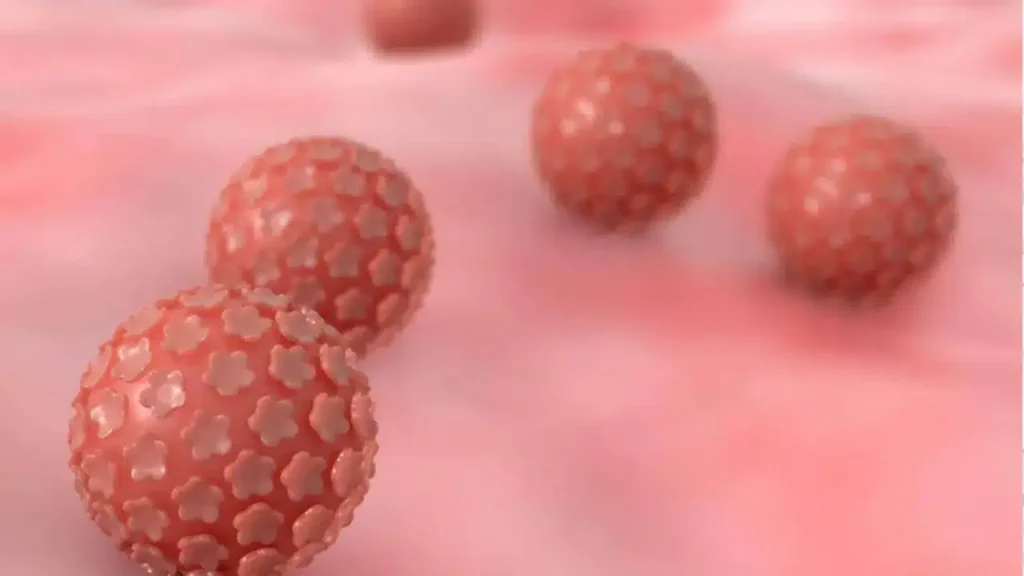
Human papillomavirus (HPV) is the most common sexually transmitted infection worldwide. In the United States, an estimated 14 million persons are newly infected each year [1]. Prevalence of any genital HPV is estimated at 42.5 percent among U.S. females aged 14-59 years [2]. Although most HPV infections are self-limited and cause no symptoms, persistent infections with human papillomavirus (HPV) can cause cervical and other cancers, including anal, oropharyngeal, penile, vaginal, and vulvar, as well as anogenital warts. HPV is estimated to be responsible for 40-50 percent of all invasive penile cancers and is associated with almost all cervical cancers. Cervical cancer is the second most common cancer and the fifth leading cause of death in women worldwide with nearly 4,000 dying from this disease in the U.S. each year. International Human Papillomavirus (HPV) Awareness Day falls on March 4th. The 2022 campaign theme is ” One less worry ” and focuses on three simple steps that should help in eliminating HPV – driven cancers via education (safer sex), vaccination, and early screening to detect the HPV infection. Ninety percent of genital warts are caused by HPV types 6 and 11. However, most HPV-associated cancers are caused by HPV types 16 and 18, including 15,000 cases of these cancers in females and 7,000 cases in males each year in the U.S [3]. For men, there is an overall annual increase in HPV – related cancers of 2.36 % per year, which is attributable in part to the numbers of HPV associated cancers among individuals infected with human immunodeficiency virus in high – income countries on account of the substantial incidence of anal cancer among men. Penile cancers are diagnosed more likely to be HPV – positive in recent years [4,5,6]. Penile cancer is one of the cancers that is increasing in incidence and the only such cancer that urologists manage in their clinical practice. Although rare in developed countries, as with any HPV – driven cancer, penile cancer is much more prevalent in the lowest – income countries (many of which are in sub – Saharan Africa and Latin America) [6,7]. Infections with HPV types 16, 18, 31, and 33 have been reported in high percentages of penile squamous cell carcinoma (SCC) cases, and in total it is estimated that one in two penile cancers globally is HPV-positive [7,8]. Oral HPV is associated with oropharyngeal carcinomas approximately 22.4 %, 4.4 % and 3.5 % of oral cavity, oropharynx and larynx cancers, respectively are attributed to HPV [9]. Systematic reviews have reported prevalence rates of oral HPV from 5.5-7.7 %, with HPV16 present in 1-1.4 % of patients. Risk factors for HPV infection include early age of first sexual intercourse, sexual promiscuity, higher frequency of sexual intercourse, smoking and poor immune function [10]. Overall, the prevalence of HPV in different sites seems to be higher in young, sexual – active adults compared to other population groups [10]. Stable sexual habits, circumcision and condom use are protective factors against HPV [11,12]. Added risk factors of oral HPV infection are alcohol consumption, poor oral hygiene and sexual behaviours (oral and vaginal) [10]. Positive HIV status, phimosis, and HPV status of the partner have also been associated with anogenital HPV status and decreased clearance in a number of studies [13]. HPV typically spreads by sustained direct skin – to – skin or mucosal contact, with vaginal, oral and anal sex being the most common transmission route [14]. In addition, HPV has been found on surfaces in medical settings and public environments raising the possibility of object – to – skin / mucosa transmission [15]. Further studies on non-sexual and non – penetrative sexual transmission are needed to understand the complexity of HPV transmission. HPV transmission may also be influenced by genotype, with a higher incidence of HPV51 and HPV52 and a high prevalence of HPV16 and HPV18 in the general and high – risk male population [14]. HPV presence is dependent on study setting. In men attending urological clinics HPV was detected in 6 % of urine samples [16]. A meta – analysis reported seminal HPV in 4.5-15.2 % of patients resulting in seminal HPV being associated with decreased male fertility [17]. A cross sectional study of 430 men presenting for fertility treatment detected HPV in 14.9 % of semen samples. The presence of HPV in semen was not associated with impaired semen quality [18]. However, another systematic review reported a possible association between HPV and altered semen parameters, and in women possible miscarriage or premature rupture of the membrane during pregnancy. The symptoms of HPV-infection may appear as warts on the female or male patient in equal ratio. The lesions may be large and grossly visible or may be discovered only after appropriate application of acetic acid and magnified scanning of the genitalia. In women, a screening study revealed a 2 % incidence of subclinical HPV infection in those with abnormal findings on Papanicolaou smear [19]. Any symptomatic or asymptomatic abnormal – appearing warts or lesions may be found to carry HPV infection in the external genitalia, and this can be discovered under magnification with genotype diagnosis through PCR-swabs from lesions or from condylomata warts [20]. In males, the HPV virus has been seen in warts when assessed with PCR-swabs for genotype diagnosis. Other studies have reported HPV type 16 in penile carcinoma along with types 31 and 35 [21]. The lesions may present in two basic morphologic forms. The classic wart known as condyloma acuminata presents as a verrucous papillary growth in the genital region that may range from 2 mm up to several centimeters in size. These warts may be found on the penis, perineum, or scrotum, or within the urethra. In women, the introitus, perineum, vagina, and urethra are common sites as is with the cervix. In patients who are immune suppressed, such as renal transplant recipients or patients on chemotherapy, lesions may attain enormous size and cover the entire perineum. The incidence of genital warts in children has increased

Human papillomavirus (HPV) قراءة المزيد »

Amelioration of survival outcome after early prostatectomy

Amelioration of survival outcome after early prostatectomy

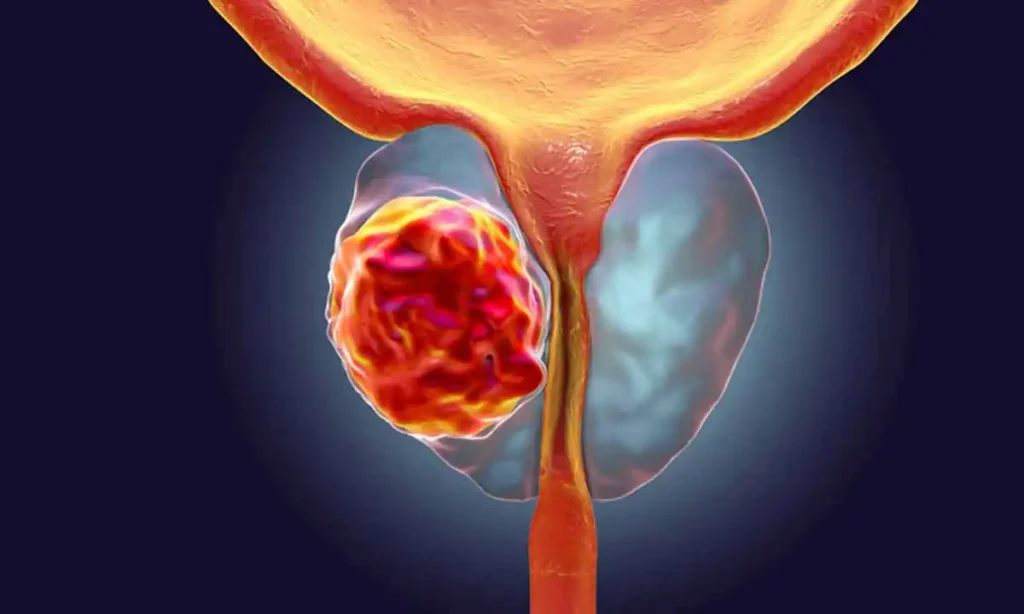
Generally, the Cancer develop when the cells begin to multiply randomly without control in the body affected by this cancer, and cancer cells may develop in any area of the body. Bladder, kidneys and testicles. There are different types of cancer that affect the body as the Cancer may start in the lung, breast, or colon, as well as in the blood, prostate, bladder, kidneys, and testicles. The International Agency for cancer research published that the incidence of cancer in the whole world unfortunately will increase and the reason attributed by this agency in terms of number, prevalence and deaths to social and economic development, the increasing population and the high rate of aging in the world and metabolic diseases as diabetes, obesity, high cholesterol and high blood pressure [1]. Prostate cancer is the second most common type of cancers, affecting about one in nine over the age of 50, now that there are more than 2.9 million men living in the US who have been diagnosed with prostatic cancer and the sixth leading cause of death from this cancer among Men in the world [2]. Prostate Cancer accounts for 1 in 5 men cancer diagnosis in men, with risk of progression to castrate resistance. The family history of the disease due to hereditary genetic mutations in the gene (HPCL) in the short arm of the Y chromosome, as well as other recently discovered genes such as (BRCA-2) and (BRCA-1) [3], these are well established risk factors for Prostate Cancer, and also environmental intoxication of the air, water and food contamination induce the free radical which responsible for the disruption of the genome repair system. One of the main risk factors is the wrong lifestyle caused by obesity. The obesity paradox is at the center of investigations regarding the role of human metabolism and body composition in prostate cancer outcomes. In some studies, obesity (BMI > OR = 30kg/㎡) increase the risk for high grade prostate cancer as well as recurrence after prostatectomy. The symptoms of the prostate cancer are related to storage pathological changes of the bladder causes urgency and to urethral obstruction causes weak urine flow. Multiple studies have reported a relation between clinical prostatitis and an increased risk of prostate cancer. The diagnostic evaluation includes medical history, symptom score questionnaires as the international prostate symptom score (IPSS), physical examination and digital-rectal examination and prostate size evaluation with transrectal ultrasound, urinalysis (dipstick or sediment) which must be included in the primary evaluation of any patient presenting with LUTS to identify conditions, such as urinary tract infections (UTI), microhaematuria and diabetes mellitus. Early diagnosis through PSA testing (normal level below 4 ng/ml) may reduce prostate cancer deaths [4]. PSA density (PSAD) below 0.15mg/ml/ml was considered as negative predictive factors for prostate cancer, so the right diagnosis of Prostate cancer increased by 94.1% to omit prostate biopsy [5]. Clinical examination is carried out using modern diagnostic methods, the most important of which is the examination of the prostate gland in its size and shape, as well as the bladder and urethra by ultrasound, as well as examination of the urodynamics of the urinary stream (Uroflowmetry). Radical prostatectomy that preserves the erectile nerves as well the robotic of them in this decade has encouraged more men to undergo this surgery. The Intuitive Surgical DaVinci XI Robot has been conducting FDA approval as minimally invasive surgery on humans for well over decade now. Positive surgical margins (PSMs) during robotic radical prostatectomy with the DaVinci XI are strong predictors of biochemical recurrence [6]. Cognitive guidance of multiparametric magnetic resonance imaging (mp MRI) during robot assisted radical prostatectomy may improve the preservation of neurovascular bundles and avoid positive surgical margins [7]. Prostate cancer annual screening is a primary life-saving measure for every man over the age of 40, and the secondary prevention is limited to Organic diet, daily exercise and proper weight. REFERENCES: (1): Esposito, K., et al. Effect of metabolic syndrome and its components on prostate cancer risk: meta-analysis. J Endocrinol Invest, 2013. 36: 132. (2): Mottet, N. et al. EAU-EANM-ESTRO-ESUR-SIOG Guidelines on Prostate Cancer 2020 update Part 1: Screening, Diagnosis, and Local Treatment with Curative Intent. Eur Urol, 2021. 79: 342. :(3) Randazzo. M.et al. A positive family history as a risk factor for prostate cancer in a population-based study with organised prostate-specific antigen screening: results of the Swiss European Randomised Study of Screening for Prostate Cancer (ERSPG Aarau BJU Int. 2016 117 576. (4): Stamey, T.A., et al. Prostate-specific antigen as a serum marker for adenocarcinoma of the prostate. N Engl J Med, 1987. 317:909. (5): Schmid, H.P., et al. Observations on the doubling time of prostate cancer. The use of serial prostate-specific antigen in patients with untreated disease as a measure of increasing cancer volume. Cancer, 1993 71:2031 (6): Dev Hs, Wilklund P, Patel V, et al. Surgical margin length and location affect recurrence rates after robotic prostatectomy. Urol oncol 2015;33, 109.e7-13. (7): McClure TD, Margolis DjA, Reiter RE, et al. Use of MR imaging to determine preservation of the neurovascular bundles at robotic-assisted laparoscopic prostatectomy. Radiology 2012;262:874-83. Author Correspondence: Prof. Dr. Semir A. Salim. Al Samarrai Medical Director of Professor Al Samarrai Medical Center. Dubai Healthcare City, Al-Razi Building 64, Block D, 2nd Floor, Suite 2018 E-mail: semiralsamarrai@hotmail.com Tel: +97144233669

Amelioration of survival outcome after early prostatectomy قراءة المزيد »

benign prostatic enlargement

Methods for treating benign prostatic enlargement

The Benign prostatic enlargement is the most benign tumor that affects men in age beyond the age of forty, it is not dangerous for life, but its symptoms in the lower urinary tract hinder daily life. The cause of enlargement in aging is hormonal changes, and at the same time recent studies have shown that the increase in the body’s susceptibility and readiness to the genetic pathological mutations in these cells that lead first to benign enlargement and then cancer due to the high rate of environmental and food contamination. The obesity paradox is at the center of investigations regarding the role of human metabolism and body composition in prostate cancer outcomes. In some studies, obesity (BMI > OR = 25kg/㎡) increase the risk for high grade prostate cancer as well as recurrence after prostatectomy. Multiple studies have shown an association between clinical prostatitis and an increased risk of prostate cancer. BPH is likely a multifactorial process, the exact etiology of which is unknown, but requires testosterone. 5a-reductase (5AR), with its two isoenzymes – type I and type II, converts testosterone to its active metabolite, dihydrotestosterone (DHT). DHT, which has a higher affinity for the androgen receptor and is considered the more potent androgenic steroid hormone, forms a complex that is then transported to the nucleus. The T/DHT-androgen receptor complex within the nucleus of the prostate cells initiates transcription of DNA and translation, with subsequent normal development, growth, and hyperplasia of the prostate. BPH develops due to an imbalance between growth and apoptosis (cellular death) in favour of growth, subsequently causing an increase in cellular mass [1,2]. Also Read:Ureaplasma acute and chronic infection of the bladder in women and prostate in men BPH is nearly ubiquitous in the aging male with increases starting at age 40-45 years, reaching 60% by age 60, and 80% by age 80. BPH can lead to benign prostatic enlargement (BPE), which can cause obstruction at the level of the bladder neck, termed benign prostatic obstruction (BPO). The prevalence of moderate-to-severe LUTS rose to nearly 50% by age 80, nearly 50% by age 80, with the development of acute urinary retention (AUR). Another study has estimated that 90% of men between 45 and 80 years of age suffer some type of LUTS [3,4,5]. The diagnostic evaluation includes medical history, symptom score questionnaires as the international prostate symptom score (IPSS), physical examination and digital-rectal examination and prostate size evaluation with transrectal ultrasound, urinalysis (dipstick or sediment) which must be included in the primary evaluation of any patient presenting with LUTS to identify conditions, such as urinary tract infections (UTI), microhaematuria and diabetes mellitus. Early diagnosis through PSA testing (normal level below 4 ng/ml) may reduce prostate cancer deaths (6). PSA density (PSAD) below 0.15mg/ml/ml was considered as negative predictive factors for prostate cancer, so the right diagnosis of Prostate cancer increased by 94.1% to omit prostate biopsy (7). Clinical examination is carried out using modern diagnostic methods, the most important of which is the examination of the prostate gland in its size and shape, as well as the bladder and urethra by ultrasound, as well as examination of the urodynamics of the urinary stream (Uroflowmetry). The most prevalent and generally first line approach is behavioural and lifestyle modifications followed by medical therapy, including alpha-adrenergic antagonists (alpha blockers), 5-alpha reductase inhibitors (5ARIS), and phosphodiesterase 5 selective inhibitors (PDE5S), anticholinergics, and beta-3 agonists which may be utilized alone, or in combination to take advantage of their different mechanisms of action. If these men with advanced age and those with advanced stages of this enlargement are not treated, then the gold standard for treating these stages is their eradication by the plasmapheresis of the two poles TUR-Prostate. REFERENCES: (1): Andriole G, Bruchovsky N, Chung Let al: Dihy- drotestosterone and the prostate: the scientific rationale for 5alpha-reductase inhibitors in the treatment of benign prostatic hyperplasia. J Urol 2004; 172: 1399. (2): Russell D and Wilson J: Steroid 5alpha- reductase: two genes/two enzymes. Annu Rev Biochem 1994; 63: 25. (3): Reynard J: Does anticholinergic medication have a role for men with lower urinary tract symptoms/benign prostatic hyperplesia either alone or in combination with other agents? Curr Opin Urol 2004; 14: 13. (4): McVary K: BPH: Epidemiology and Comorbidities. An J Manag Care 12 2006: (5 Suppl): S122. (5): Wei J. Calhoun E and Jacobsen S: Urologic diseases in America project: benign prostatic hyperplasia. J Uro! 2005; 173: 1256. (6): Stamey, T.A., et al. Prostate-specific antigen as a serum marker for adenocarcinoma of the prostate. N Engl J Med, 1987. 317:909. (7): Schmid, H.P., et al. Observations on the doubling time of prostate cancer. The use of serial prostate-specific antigen in patients with untreated disease as a measure of increasing cancer volume. Cancer, 1993 71:2031 Author Correspondence: Prof. Dr. Semir A. Salim Medical Director of Professor Al Samarrai Medical Center. Dubai Healthcare City, Al-Razi Building 64, Block D, 2nd Floor, Suite 2018 E-mail: semiralsamarrai@hotmail.com Tel: +97144233669

Methods for treating benign prostatic enlargement قراءة المزيد »

Ureaplasma acute and chronic infection of the bladder in women and prostate in men, Etiology, Diagnosis, Treatment and Prevention

Ureaplasma acute and chronic infection of the bladder in women and prostate in men

Ureaplasma acute and chronic infection of the bladder in women and prostate in men, Etiology, Diagnosis, Treatment and Prevention The bladder diseases in women, such as acute and chronic infections, urinary incontinence and pelvic pain syndrome and all urinary tract infections in men, especially acute and chronic prostate infections, lead to symptoms of the lower urinary tract, and this affects 15-60% of men over 40 years and 16-53% of women. The spreading and severity of these symptoms are closely related to advancing age, as well as many abnormal clinical and neurological pathological changes of the urinary bladder, urethra and prostate, these symptoms are not life-threatening, but they affect negatively the quality of daily life. The cumulative studies confirmed that these symptoms are also related to anxiety, depression and sleep disorders, but these symptoms can be caused as well from obstructive diseases by men and women at the level of the bladder neck and urethra Many men and women with lower urinary tract symptoms (LUTS) are not troubled enough by their symptoms to need drug treatment or surgical intervention. All men and women with LUTS should be formally assessed prior to any allocation of treatment in order to establish symptom severity and to differentiate between men or women with uncomplicated (the majority) and complicated LUTS. Watchful waiting is a viable option for many men and women with non – bothersome LUTS as few will progress to AUR in men and complications as well by women (e.g. renal insufficiency or stones), whilst others can remain stable for years. Most bacterial infections of the prostate in men and bladder in women are due to infection with the Bacterium Escherichia coli. The common factors that cause complex urinary tract infections, they are either due to a narrowing or obstructions in the upper or lower urinary tracts or as well due to vesicoureteral and renal reflux. The most bacteria infect the bladder, urethra, as well as the vagina in women are Escherichia coli and enterobacteriaceae. Usually, symptoms of acute bacterial cystitis appear suddenly, with difficulty in emptying the bladder, as well as pain and burning during urination. Irritative lower urinary tract symptoms such as urinary frequency, discomfort and dysuria are highly disruptive to quality of life. While such symptoms can be associated with urinary tract or sexually transmitted infections, by definition these diagnoses require a positive clinical culture. When such symptoms persist despite negative cultures or appropriate antibiotic treatment, some providers evaluate for the atypical organisms Ureaplasma and Mycoplasma.These 2 generations of the Mycoplasmataceae family include several species. Only M. genitalium is a documented pathogen, causing urethritis in men and cervicitis in women that can lead to endometritis, pelvic inflammatory disease and infertility [1,2]. U. urealyticum is variably associated with nongonococcal urethritis in men only, while U. parvum is highly prevalent in Woman. In asymptomatic women, the prevalence U. parvum ranges between 20% to 89%, respectively. Two prospective trials detected U. urealyticum and M. hominis in 30% to 62% of women with LUTS and demonstrated a significant improvement in symptoms after antibiotic treatment. Culture methods have primarily been abandoned for rapid polymerase chain reaction-based clinical testing (PCR), which performs better detecting all species. The European STI Guidelines Editorial Board concluded that routine testing and treatment of asymptomatic or symptomatic men and women for U. urealyticum, U. parvum and M. homini are not recommended. When queried as to their reasons for treatment, many providers state that some of their patients improve with antibiotic therapy targeting Mycoplasmataceae. Several scenarios may explain these findings. Antibiotics have anti-inflammatory properties that can relieve non-infectious symptoms. Symptoms may be self-limited and resolve regardless of antibiotic treatment. Also, the symptoms reported by these patients may be related to true infections that coexist with Mycoplasmataceae. Changes in the local genitourinary environment, such as increased pH and impaired epithelial integrity, can promote shifts in broader microbial communities [3]. M. hominis is commonly identified in women with bacterial vaginosis. When treated with metronidazole, M. hominis is often eliminated along with Gardnerella vaginalis. In addition, M. hominis is commonly found in association with Trichomonas vaginalis infection. Chlamydia trachomatis, which also causes urethritis and genitourinary pain, frequently coexists with Ureaplasma [3] and is treated by similar antibiotic regimens [4]. These findings suggest that Mycoplasmataceae may grow synergistically with or thrive in environments created by other GU pathogens, making them a bystander in other genitourinary infections. As a result, however, many patients and their partners undergo repeated treatment with extended antibiotic courses. Our current understanding of the risks of repeated and extended antibiotic treatment, however, requires a more targeted approach to antibiotic use. The most prevalent and generally first line approach treatment of the LUTS due to BPH, prostatitis in men, cystitis and overactive bladder OAB in women is behavioral and lifestyle modifications followed by medical therapy, including alpha-adrenergic antagonists (alpha blockers) in men and women, 5-alpha reductase inhibitors (5ARIS), phosphodiesterase 5 selective inhibitors (PDE58) for treatment of BPH and prostatitis in men and for OAB treatment in both additionally anticholinergics, and beta-3 agonists – which may be utilized alone, or in combination to take advantage of their different mechanisms of action. As for the treatment of the aforementioned infections, it is based on effective antibiotic treatment against the bacteria diagnosed by PCR or urine culture. In recent years, high efficacy drug therapy for overactive bladder, urge incontinence has witnessed great development. The European society of urology has strongly recommended to reduce of the detrusor over activity, as the use of beta 3 adrenoreceptor (β3 –AR) agonist (mirabegron), or antimuscrinics (solifenacin), apha blockers, and botulinum toxin A (Botox A) as intra vesical treatment. These all to suppress neurotransmitter present in the membrane and bladder muscle, and the patient will be cured of this disease with the help of our God. Antibiotics, particularly extended courses, carry substantial risk. Such collateral damage is well documented: increased rates of recurrent infections, antibiotic resistance, antibiotic-associated diarrhea etc, Clostridium difficile colitis, allergic reactions. Normal GU commensals are thought to be critical for maintaining bladder physiology; antibiotic therapy

Ureaplasma acute and chronic infection of the bladder in women and prostate in men قراءة المزيد »

The high incidence of prostate cancer (the second cancer in men), its causes and early diagnosis

Prostate cancer is the second most common cancer among American men, affecting about one in nine over the age of 50, now that there are more than 2.9 million men living in the US who have been diagnosed with prostatic cancer [1]. The reason is the growth of the global population on earth, advanced age, and a family history of the disease due to hereditary genetic mutations in the gene (HPCL) in the short arm of the Y chromosome, as well as other recently discovered genes such as (BRCA-2) and (BRCA-1), these are well established risk factors for Prostate Cancer [2]. Prostate cancer is confirmed as the lifestyle that depends on excessive red meat intake and obesity, as well the metabolic syndrome and its componants [3]. Early diagnosis of the prostate-specific antigen may reduce prostate cancer deaths. Praise be to God, diagnosis of cancer earlier than before in its first & second stages, due to the development of diagnostic methods for this disease compared to the past decades, the most important diagnostic tools are the physical examinations of the prostate, as well as the PSA blood investigation and the density of PSA as a prognostic factor, additionally the prostate examination by ultrasound as well as MRI are important and necessary. The Intuitive Surgical DaVinci XI Robot has been conducting FDA approval as minimally invasive surgery on humans for well over decade now. Positive surgical margins (PSMs) during robotic radical prostatectomy with the DaVinci XI are strong predictors of biochemical recurrence [4]. Cognitive guidance of multiparametric magnetic resonance imaging (mp MRI) during robot assisted radical prostatectomy may improve the preservation of neurovascular bundles and avoid positive surgical margins [5]. An intraoperative frozen section analysis is the most commonly used technique for real –time assessment of surgical margins during prostatectomy. Intraoperative frozen section can be directed to the index lesion detected by mp MRI since larger volume index lesions are responsible for the vast majority of positive surgical margins [5]. The biochemical recurrence   or metastasis of this cancer can be diagnosed through investigation of the prostate-specific antigen (PSA) in the blood, which decreases after radical prostatectomy to below 0.002 ng/ml, if this PSA rises after a period of time after the radical removal of this cancer to more than 0.002 ng/ml, this indicates the emergence or spread of metastatic cancer, If the elevated PSA is confirmed above the aforementioned, then special diagnostic procedures must be performed to start either the total androgen deprivation hormone therapy or chemotherapy if it proves spread in the bones or other organs in the body of these patients. REFERENCESES: [1]: Mottet, N. et al. EAU-EANM-ESTRO-ESUR-SIOG Guidelines on Prostate Cancer 2020 update Part 1: Screening, Diagnosis, and Local Treatment with Curative Intent. Eur Urol, 2021. 79: 342. [2]: Randazzo. M.et al. A positive family history as a risk factor for prostate cancer in a population-based study with organised prostate-specific antigen screening: results of the Swiss European Randomised Study of Screening for Prostate Cancer (ERSPG Aarau BJU Int. 2016 117 576. [3]: Esposito, K., et al. Effect of metabolic syndrome and its components on prostate cancer risk: meta-analysis. J Endocrinol Invest, 2013. 36: 132. [4]: Dev Hs, Wilklund P, Patel V, et al. Surgical margin length and location affect recurrence rates after robotic prostatectomy. Urol oncol 2015;33, 109.e7-13. [5]: McClure TD, Margolis DjA, Reiter RE, et al. Use of MR imaging to determine preservation of the neurovascular bundles at robotic-assisted laparoscopic prostatectomy. Radiology 2012;262:874-83.

The high incidence of prostate cancer (the second cancer in men), its causes and early diagnosis قراءة المزيد »

Scroll to Top