Uncategorized

Pshot

THE RESTORATIVE AND REGENERATIVE L-SWT AND P-SHOT THERAPY OF THE ERECTILE DYSFUNCTION

Erectile Dysfunction (ED) is defined as the inability to attain or maintain an erection sufficient enough for sexual intercourse. ED has a prevalence of about 50 % in men between the ages of 40 and 70 years and a prevalence for complete ED of 15 % in the same age group. ED also affects younger men and prevalence in this age group may be as high as 30 %. The recent increase in modifiable risk factors for ED, such as obesity and metabolic syndrome, has caused an increased prevalence of ED in recent years. In fact, predictive models show a projected 322 million cases of ED by 2025. The rise in ED incidence has been met with an increase in treatment options. Some of these treatment modalities are considered restorative therapy due to the fact that they may reverse the underlying changes that have caused the patient’s ED. The goal of many of these proposed options has been to cure or lessen symptomatology without causing unnecessary side effects. These restorative therapies include shockwave therapy [1], injectable platelet-rich plasma [2], and stem cell therapy (SCT). Although a relatively novel treatment modality, SCT holds promise as a regenerative therapy for ED. As REFERENCES: [1]: Clavijo Rl, Kohn TP, Kohn JR, et al. Effects of low-intensity extracorporeal shockwave therapy on erectile dysfunction: A systematic review and meta-analysis. J Sex Med 2017;14:27-35. [2]: Wu YN, Wu CC, Sheu MT, et al. Optimization of platelet-rich plasma and its effects on the recovery of erectile function after bilateral cavernous nerve injury in a rat model. J Tissue Eng Regen Med 2016;10:E294-E304. Author Correspondence: Prof. Dr. Semir A. Salim Medical Director of Professor Al Samarrai Medical Center. Dubai Healthcare City, Al-Razi Building 64, Block D, 2nd Floor, Suite 2018 E-mail: semiralsamarrai@hotmail.com

THE RESTORATIVE AND REGENERATIVE L-SWT AND P-SHOT THERAPY OF THE ERECTILE DYSFUNCTION قراءة المزيد »

male infertility doctor in Dubai

Best male infertility doctor in Dubai

The burden and frustration that infertility brings to any couple can be daunting. According to worldwide statistics, Infertility is a worldwide problem worrying many couples who consider having kids. It affects about 15% of the world’s couples. That’s about 49.000.000 couples! Male infertility can be the cause in more than 50 percent of the cases.So, male infertility is not a problem to treat lightly. Here we’ll know all about its causes, symptoms, diagnosis and who is the best male infertility doctor in Dubai. What is male infertility? A man is considered infertile when he does not conceive during the first year of his marriage despite practicing a normal marital life and without using contraceptive methods, as it occurs 60% of fertilization and pregnancy normally in the first year. It happens either due to one of four problems; his sperm production, number, motility, or transportation. Any of these problems or combined affect the male’s chances of having kids. Book now in Professor Al-Samarrai Medical Center Message us on whatsapp What normally happens? The male reproductive system is designed to produce and store sperm, also delivering them to the female reproductive system where it can fertilize the egg and make a fetus. As follows: The testes produce sperms under the effect of some hormones like testosterone this process is called spermatogenesis. The sperms then travel through some tubes. The seminal vesicle and the prostate produce chemicals and fluids to keep the viability of the sperm. Before ejaculation, these chemicals, fluids, and sperms combine forming the semen. The semen is delivered to the female reproductive system by the penis. The sperms start their journey in the female reproductive system towards the egg. So, any problem affecting any part of this pathway may interfere with males fertility. Causes of infertility in men: There are many identified causes of male infertility, such as: 1- Sperm disorders These are the most common causes of male infertility. These disorders make changes to sperm that don’t enable them to achieve fertilization. These changes include: Abnormal shape. Not fully mature. Lack of motility. Decreased sperm count (oligospermia). Absent in semen (azoospermia). These disorders include: Undescended testes are present inside the abdomen which isn’t a suitable medium for spermatogenesis. Infections especially viral infections such as HBV, HIV, and Mumps. Inflammation Inflammation in the reproductive or urinary tract whether infectious or noninfectious like orchitis (inflammation of the testes) impairs the testis’ production of sperms and obstructs the sperm tract. 2- Hormones Sperm production is done under the influence of several hormones from the hypothalamus, the pituitary gland, and the testes such as LH, FSH, gonadotropins, testosterone, prolactin, and others. Any abnormalities in the production of these hormones affect spermatogenesis. Other hormonal impairments may affect spermatogenesis like increased levels of cortisol and thyroid hormones. 3- Genetics Spermatogenesis, like any other biological process, is programmed by genes. And any defects or mutations in these genes will impair it. Examples of this are: Y chromosome microdeletions. Klinefelter syndrome. Cystic fibrosis. Chromosomal translocation. 4- Immunity Sperms travel through a specific tract and never get in contact with blood. If this happens, the body identifies the sperms as an invader and attacks them with antibodies. This may happen in cases of severe inflammation or infections in the reproductive system. 5- Obstruction problems Any obstruction in the outlet of the sperms hinders its delivery to the female reproductive system during ejaculation. This obstruction can be: Birth defects when any of the tubes the sperms travel through weren’t canalized. Inflammation and infections cause blocking inflammatory edema. Tumors or benign enlargement like prostate enlargement. Varicoceles meaning congested veins in the scrotum and testes that can block the sperm outlet. Fibrosis of a healing surgical scar. 6- Retrograde ejaculation This means that instead of the sperms going out through the penis they go back into your bladder. Thus decreasing the sperm count reaching the vagina. This happens when the nerves supplying the bladder are weak and thus the bladder doesn’t close during ejaculation leaving a backward inlet for the sperms. 7- Lifestyle manifestations Many daily bad habits and environmental factors help to cause infertility. Such as: Smoking. Alcohol. Marijuana. Steroids. Male infertility and its relationship to the misuse of steroids: Prof Dr.Al-Samarrai, the best male infertility doctor in Dubai pointed out that for decades,These anabolic androgenic steroids (AAS) were restricted to professional bodybuilders, and now these are gradually becoming more common among strength athletes. Statistically, clinical and research studies indicate that three million young people in USA using These (AAS) & Looking at this increased prevalence, recent clinical and research studies have shed light On the infertility of these men who taking this anabolic steroid In addition to erectile dysfunction and lack of sexual desire. Unknown infertility causes: Prof Dr.Al-Samarrai, the best male infertility doctor in Dubai wrote and published a paper explaining that the fertilization rate in the last ten years is declining and Infertility is on the rise! as recent statistics and clinical researches have proven that the main cause of infertility is environmental, food, air and water contamination lead to fragmentation of DNA because of high release of environmental toxins in the air, including the toxic gas carbon dioxide (CO2) that comes from Transportation and others. This contamination causes oxidative stress, which leads to damage of DNA in our cells and genetic mutations causing common diseases that have increased in this century compared to the last century, such as infertility, erectile dysfunction, kidney, bladder and prostate cancers, and This is why diagnosing ROS and sperm DNA fragmentation in seminal fluid has become a particularly important test for unknown infertility causes. Male infertility symptoms: The hallmark complaint is not being able to achieve pregnancy especially after a year of uncontrolled intercourses. There can be other symptoms according to the underlying cause. Such as: Pain during urination or ejaculation. Sexual dysfunctions like erectile dysfunction. Delayed puberty. Hormonal disturbances like growing breasts and diminished body hair growth. Male infertility diagnosis: Diagnosis aims to confirm the condition and identify the

Best male infertility doctor in Dubai قراءة المزيد »

Hypospadias treatment cost

Hypospadias treatment cost in Dubai

Some babies are born with problems in their urination site that may have devastating consequences later on in life.  One of these problems is hypospadias.A condition where the urethral opening is not located at the tip of the penis. It can be diagnosed as soon as the child is born as the opening can be obviously misplaced.  It’s become easier to fix this problem with the ongoing medical innovation and if there is affordable hypospadias treatment cost.  So what is hypospadias? its causes? and how much does hypospadias treatment cost ? What is hypospadias? Hypospadias is a medical condition in which there’s a defect in the opening site of the external meatus (the outer opening) of the urethra. It is more common in baby boys than females. In males, it’s presented as shifting the site of the external meatus from the tip of the penis head to any other site along the penis, or in the scrotum or the perineum. In females, it’s a very rare urological condition in which the urethra’s external meatus opens in the vagina and thus increases the incidence of infection. Book now in Professor Al-Samarrai Medical Center Message us on whatsapp What causes hypospadias?   The exact specific causes of hypospadias are still unknown, but mostly there are many factors noted to influence its predisposition. They include: 1- Gene related factors According to many family histories that have been collected and reported: 8% of males who have hypospadias have fathers with the condition. 14% of males who have hypospadias have brothers with the same condition. 2- Hormonal factors During the 8 – 20 weeks of pregnancy, the urogenital tract develops and this development is regulated by certain hormones like sex hormones e.g. androgens and progesterone.   Any defect in the secretion of these hormones or inability to respond to them affects the development of the urogenital tract. A study has shown that boys born through in vitro fertilization are more at risk of developing hypospadias than normally born boys. And this is thought to be due to the amount of progesterone administered to the mother then. 3- Risk factors Some factors contribute to the risk of developing hypospadias, especially in genetically predisposed babies. They include: Obese women who are above 35 years old may present a higher risk factor of delivering boys with hypospadias.  Exposure to pesticides or any radiation during pregnancy. Taking fertility treatment may affect the hormones regulating the urogenital tract development. Taking certain hormones during or before pregnancy affects the production of sex hormones that are necessary for urogenital tract development.  Regarding females, the commonest cause noted is urethral injury.  And some risk factor that has been noted are female genital mutilation (FGM) and recurrent lower urinary tract infection. Hypospadias types: The most common classification of hypospadias types is done according to the new abnormal site of the outer opening of the urethra which can be: Anterior either at the junction between the head of the penis and its shaft (subcoronal) or at an abnormal location on the head of the penis (glanular). middle anywhere along the shaft of the penis either distal (close to the head) or midshaft or proximal (near the scrotum). posterior either on the scrotum (scrotal) or the perineum (perineal). In nearly 50 percent of cases, the location is anterior, 20 percent are middle and the rest are posterior.  Male hypospadias symptoms: The symptoms and signs of hypospadias vary according to its type. Mostly they are detected at birth. They include: Abnormal site of the outer opening of the urethra. Abnormal development of the foreskin either being: incomplete and retracted or complete and covers the hypospadias. Penile curvature which leads to problems fulfilling a healthy sexual life. Urination isn’t straight but done in deviated directions according to the new site of the urethra’s outer opening which leads to boys having to sit down during urination and recurrent lower urinary tract infection. 8 – 100 boys with hypospadias have undescended testes ( testes aren’t in their normal place in the scrotum). Female hypospadias symptoms: Although female hypospadias is a rare condition, its diagnosis is simple through some signs and symptoms which include: Abnormal site of the outer opening of the urethra into the anterior vaginal wall. Recurrent lower urinary tract infection. Urethral stricture leading to urine retention. Vaginal voiding: As urine gets into the vagina. It works as an irritant to the vaginal wall causing inflammation and itching. post coital cystitis: women with hypospadias are more liable for recurrent cystitis (bladder inflammation) after having sex. Hypospadias Diagnosis: Usually, diagnosed during a physical examination after the baby is born or may later  some parents notice signs such as: Abnormal spraying of urine. Hooded appearance of the penis.  Unconventional things about the shape or function of the penis.  Which could be alarming signs to visit to a pediatrician or pediatric urologist.  Complications of Hypospadias: If severe cases of hypospadias are not treated, it can result in: Abnormal appearance of the penis. Difficulty in using the toilet as the urine stream may be hard to direct and control. Abnormal curvature of the penis with erection. Problems with impaired ejaculation leading to sexual dysfunction. If the urethral opening is near or behind the scrotum, he may have fertility problems later in life. Hypospadias treatment cost: The treatment is mainly surgical and sometimes is done in stages. it aims to normalize all the present abnormalities like: adjusting the site of the outer opening of the urethra back to normal. correcting penile curvature if present. foreskin reconstruction.  Trying to get an acceptable cosmetic outcome. Hypospadias repair is a challenging situation although it is associated with a high success rate of 95%. An expert Urologist will take under one hour for surgery. No need to worry, Hypospadias surgery cost is affordable and varies depending on the doctor  performing it and where it’s done.  Book now in Professor Al-Samarrai Medical Center Message us on whatsapp

Hypospadias treatment cost in Dubai قراءة المزيد »

kidney cancer

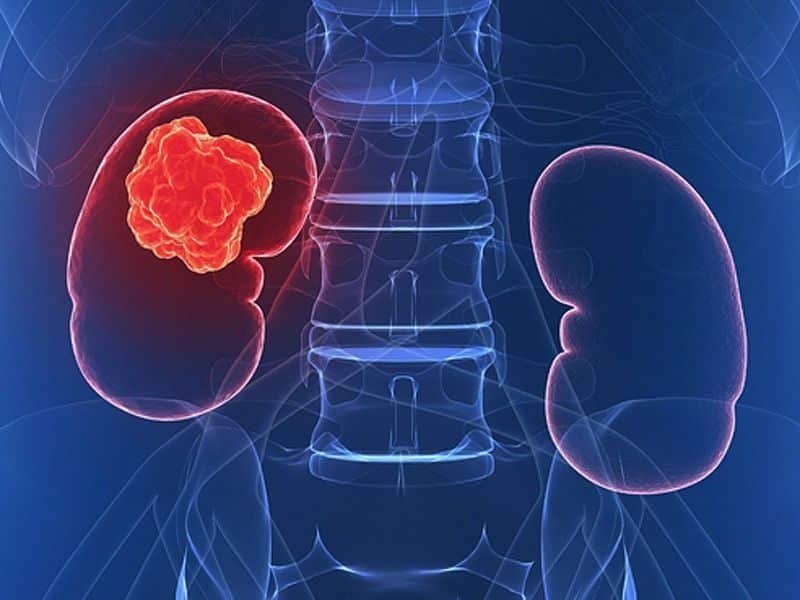
[hfe_template id=’1146′] kidney cancer Kidney tumors may be malignant, benign or inflammatory in origin. This cancer affects 54,000 people annually in the United States of America, and 13,000 people die from it. Incidence statistics: The incidence of kidney cancer is between 2-3% of the statistics of cancer cases in general in humans, but it is more dangerous to life compared to other urinary tract cancers. Knowing that 30-40% of people with this cancer die as a result, compared to 20% of those with bladder or prostate cancer, and this cancer is a disease that affects people in advanced age between the ages of sixty and seventy years, but the overwhelming majority of kidney cancer It is spontaneous, but only 2-3% is caused by genetics. Causes of injury: Clinically and research-proven causes are: 1- Smoking. 2- Obesity. 3- High blood pressure. As for the speculative reasons, they are as follows: Exposure to lead, as well as exposure to chemicals such as hydrocarbons, metals, rubber, and dyes, as well as to asbestos and cadmium, and eating foods containing saturated fats. Scientific research has proven a strong relationship between the incidence of renal cell carcinoma (RCC) and the incidence of polycystic kidney, as well as the incidence of renal failure in the last stage, where the incidence of infection is nine times higher compared to healthy people. 3- The third stage: In this stage, the ureteric, ureteral and renal reflux is accompanied by mild or moderate ureteral dilatation, and there may be curvatures in the ureter, and at the same time there are medium-degree expansions in the combined renal system, but the renal vaults may be deformed as a result of this. Urinary reflux. 4- Fourth stage: In this stage, the vesicoureteral and renal reflux has led to a medium-degree dilatation of the ureter with ureteral curvatures, and at the same time there are medium-degree dilatations within the combined renal system of the renal pelvis, while the renal vaults are not sharp, but Renal papillae are visible. 5- The fifth stage: In this advanced stage of ureteric and renal vesicoureteral reflux there is a large dilatation of the ureter with the presence of curvatures in it, and the expansion of the renal pelvis and its collecting system in the kidney is very noticeable, but the renal papillae appear in a normal way, and in this advanced stage there is reflux poly within the renal tissue itself. Symptoms: A- Primary and contingent realism: 1- Bloody urine. 2- Pain in the flank. 3- A mass in the abdomen. B- Disseminated symptoms: 1- Persistent cough. 2- Pain in the bones. 3- Weight loss and fever. 4- Infection with malaise and apathy. C- Stenotic symptoms of the lower abdominal vein: 1- Edema of the legs. 2- Varicose veins in the right testicle that are not retractable. Diagnosis: There are several methods for diagnosing kidney cancer and its stages and distinguishing it from benign or malignant tumors in the kidney, including: 1- Clinical examination. 2- Urinalysis. 3- Examination of the kidney by ultrasound and color (Color Doppler). 4- Examination of the kidneys and nearby lymph nodes as well as the bladder by computed tomography (CT) of the kidneys and bladder, or examination of the kidneys and nearby lymph nodes by tomography by colored magnetic resonance imaging (MRI). Kidney tumor and its spread to the renal vein or vena cava treatment: With the development of the above-mentioned diagnostic methods, it is now possible to diagnose these tumors early and treat them successfully with a rate of 98%. This treatment is done either by endoscopic ablation of the tumor only and without nephrectomy, where the size of this malignant tumor should not exceed 5 cm. As for the laparoscopic radical removal of the affected kidney, it is performed only in case the size of the malignant tumor exceeds 5 cm. Prevention and modern immunotherapy: One third of patients with kidney cancer are diagnosed with a cancerous spread in the body at the same time, knowing that if this tumor is not eradicated early, in this case, these patients must undergo non-surgical treatment (chemical and immunological), knowing that these drug treatments have clinically proven positive effect. by controlling proliferation and two-year survival, As a precaution, we must advise every person addicted to smoking to dispense with that, as well as people who are obese to change their wrong lifestyle that leads to this obesity through a distinct diet that is low in fat and distinct in containing vegetables and fruits, and start exercising for 6-8 hours per week. As for people who automatically discover the presence of blood in the urine with or without pain, these patients should consult a doctor who specializes in the treatment and surgery of urinary tract diseases in order to be diagnosed through distinguished clinical examinations for these dangerous symptoms. If a tumor is discovered and diagnosed in the kidney, the early radical or partial endoscopic excision of the tumor or the kidney It is the only way to survive and survive. Prof. Dr. Samir Al-Samarrai [hfe_template id=’1176′]

kidney cancer قراءة المزيد »

Bladder Cancer

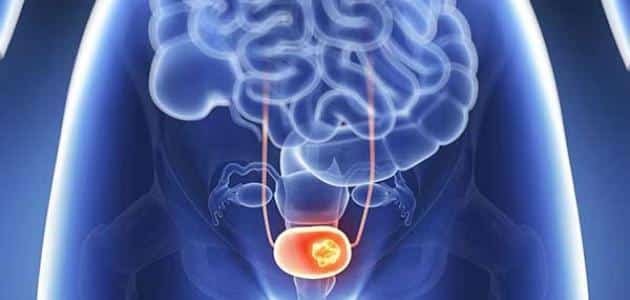
[hfe_template id=’1146′] Cystic (superficial) cancer The diagnosis of bladder cancer is the most prevalent worldwide, with 330,000 cases of this cancer occurring annually, and the incidence of men compared to women is (3.8: 1.0), and bladder cancer is one of the most malignant tumors that affect the urinary system in humans and is the seventh among the most common cancers in Men and seventeenth among the most common cancers in women. The incidence of this cancer varies according to the geographical location in the world, and a recent decrease in the incidence of this cancer is noted due to primary prevention leading to a decrease in the main risk factors, especially smoking and environmental pollution in industrialized countries and exposure to environmental and industrial carcinogens. As for the risk of death from this cancer, it has decreased in the past ten years, due to the improvement in the means of diagnosis and treatment for this cancer. The incidence of superficial bladder cancer is 75% and it is non-invasive in the bladder muscle (NMIBC), and because it has not penetrated the bladder muscle, where clinical studies have proven its slow penetration and spread to the muscle of the bladder wall (NMIBC), and therefore the cure rate is high in the case of superficial cancer and in Any stage before it has invaded the muscle compared to invasive bladder cancer (NMIBC), which is considered to be of high risk and may lead to early death. Bladder cancer risk factors: : Clinical studies have shown that the cause of bladder cancer is closely related to the genetic and personal predisposition of the patient, especially after exposure to the following risk factors: 1- Tobacco smoking: Smoking is one of the most common causes of bladder cancer and causes (50%-65%) of men and 7%-20% of women, and this incidence of cancer is related to the smoking period and the number of cigarettes smoked daily before. Person, and the incidence of this cancer is high among those people who started smoking early in their lives, especially after reaching adulthood, as well as those who are exposed in their childhood days to an environmental environment in which there is tobacco smoking   As for the cause of infection, it is as a result of tobacco containing carcinogens to the bladder, especially aromatic amines and polycyclic aromatic hydrocarbons.   2- Occupational exposure to chemicals: Occupational and environmental exposure through work in dye factories, oil drilling and minerals, and environmental and occupational exposure to chemicals is the second cause of bladder cancer, knowing that recent clinical studies have shown that the occupational incidence of this cancer ranges between (20-25%). As for the chemicals that have proven dangerous, they are petroleum derivatives(Benzenederivatives) and aryl amines such as aniline, as well as due to occupational exposure to dye products, rubber products, and industrial materials for textiles, as well as dyes, leather and chemicals used in these factories to prepare and manufacture these materials, and the period of infection is after exposure For these factors, ten years, and the latency period until the emergence of cancer is about 30 years. As for chlorinated amines, they are the most dangerous for bladder cancer with 10% of all other risk factors leading to this cancer.   3- Eating large amounts of chlorinated water. This chlorinated water is considered a carcinogen for cells in the body in general and the bladder in particular, as well as the content of drinking water on arsenic, which increases the incidence of this cancer. 4- Exposure to ionizing radiation, especially after radiotherapy for female cancers as well as male cancers such as prostate cancer. Clinical studies have proven a strong relationship between bilharzia infection and the formation of squamous bladder cancer, as this infection leads to chronic inflammation of the bladder causing the emergence of this type of cancer in the bladder. 5- Exposure to therapeutic chemicals in the case of treatment of lymphatic cancers, especially the chemical antagonist cyclophosphamide (Cyclophosphamide), and this may lead to bladder cancer after a latency period of (6 – 13) years. Symptoms: The medical history of the patient with this cancer and its relationship to the risk factors leading to bladder cancer, especially smoking, occupational chemical exposure. Photography: 1- Imaging the upper and lower urinary tract by using colored x-rays to determine the presence or absence of bladder cancer in the ureter or in the renal pelvis, where the upper urinary tract (renal pelvis and ureter) are affected by (1.8%) and the bladder triangle is affected by (7.5%).Computed tomography (CT), where it is possible to detect the spread of bladder cancer to the renal pelvis or ureter at a higher rate than imaging by colored X-rays, as well as detecting whether or not the lymph nodes are affected by this cancer. 2- Computed tomography (MRI): or color magnetic resonance tomography to detect the involvement of other organs in the abdomen and behind the peritoneum with this cancer, especially the lymph nodes.Ultrasound This diagnostic mechanism is used as an initial method for diagnosing a tumor in the bladder at a high rate due to the imaging and diagnostic effectiveness of the transducer of modern devices. This is done by ultrasound through imaging by this transducer from above the bladder, and at the same time any Expansion or absence of the renal pelvis as a result of its spread in the upper urinary tract (ureter and renal pelvis) or due to its narrowing of the ureter opening in the bladder. 3- Urine cytological examination This is done by examining the urine to search for cancer cells and it is possible to diagnose 28-100% of superficial vesical cancer, knowing that this diagnostic method lies in its high diagnostic sensitivity for cancer cells in the urinary bladder, ureter or in the renal pelvis.4- Partial markers in urine.5- Cystic endoscopy: This diagnostic examination is performed only in the event that cystic tumor is not confirmed by the aforementioned imaging diagnostic methods, because the patient with bladder cancer

Bladder Cancer قراءة المزيد »

Human Papilloma virus HPV

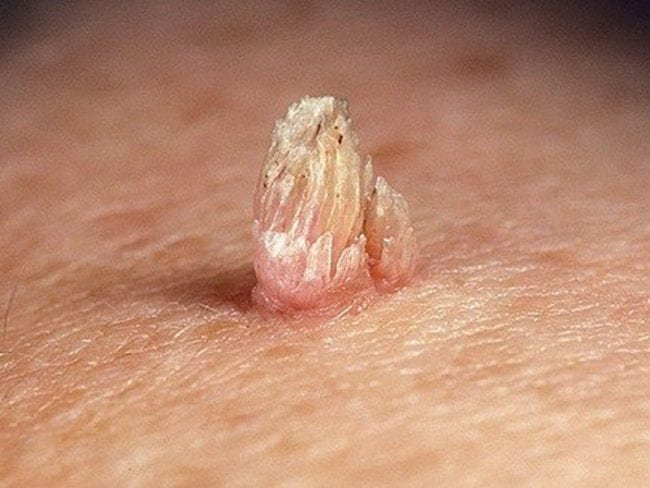
[hfe_template id=’1146′] Papillary wart virus HPV Recent developments in its causes, diagnosis, treatment and prevention Human wart virus (HPV) is one of the viruses that belong to the group (PAPOVA), and this virus, which contains (DNA), spreads by skin-to-skin contact, especially during foreplay or sexual intercourse of any kind, as this is transmitted sexually. Global statistics Thirty million people are infected annually all over the world with this virus in the sexual region alone, and six million new infections with this virus occur annually in the United States of America and eight hundred thousand infections in Europe, and the annual prevalence of infection with this virus among women of all ages (% 26.8), while the annual prevalence of infection among women between the ages of twenty and twenty-four increases to (44.8%). There are a hundred types of this virus, and the infection of the two types (11, 6) is the most prevalent and is not a component of tumors and is considered one of the human papillary viruses of low risk. The infection of this human papillary wart occurs in the sexual area as well as in the respiratory system as well. High-risk human papillomatosis is due to both types (16, 18) In addition to the types (31,33,35,39,45,51,52,56,58,66,68,69,73,82), and that their presence was diagnosed in cells of malignant tumors in women in the cervix, vagina or vulva, and this The latter includes (labia, labia major and small, pubic duct, clitoris, perineum, and vestibule of the vagina), knowing that the incidence of these two types (16, 18) may lead to the formation of cervical cancer by 70%, and that twelve thousand new cases of this cancer as a result of infection of these two types Of the virus diagnosed annually in the United States of America, and unfortunately, four thousand infected women die annually as a result of this, knowing that the incidence of penile cancer in men, and the incidence of exit cancer in men and women may be caused by infection with these two types of virus (16, 18) as well. It may also be caused by other types of high risk mentioned earlier. Risk factors: There are reasons that lead as risk factors to infection with this virus if the sexual partner is infected with it, and they are: Having sex without a condom.Women taking contraceptives.Smoking: Recently, research and clinical studies indicated that one of these factors leading to infection with this virus is smoking, because it leads to a rise in the rate of tissue imbalances in the sexual area and then to the infection of malignant tumors in the genitals of both men and women.ImmunosuppressionHaving a sexually transmitted disease (STD).Multiple sexual partners. Symptoms: Most of these injuries may be asymptomatic, but this wart may cause pain, burning, itching, or local bleeding in the area of ​​the wart itself. There are symptoms that women infected with this virus may complain about, especially vaginal itching or painful secretions, but in general the symptoms in patients with warts of this virus are the appearance of papillomas in the genital or sexual area, and initially it is a small warty tumor that spreads in men in The scrotum, the perineum, the body of the penis, or the external opening of the urethra, and it spreads in women to the vulva (labia major or small), vagina or cervix. As for the latent period of infection with this virus (which is the time period from the first day of infection to the appearance of pathological symptoms, including the wart in the genital or sexual area, and it may extend from three weeks to eight months Diagnosis: Clinical examination of this viral disease usually begins with an examination of the sexual and genital area and the search for papillary-looking papillary tumors by a magnifying glass (x5). To diagnose the type of wart and its degree of severity in the laboratory, it is done recently by using a swab taken from the surface of the wart to diagnose the type and degree of severity of the DNA sequence of the type of human papillomavirus. This is done by the polymerase chain reaction method. (PCR) treatment Research and clinical results of global epidemiological diseases have shown and proven that there is a common factor between infection with this type of virus (16,18) and infection of the sexual partner (wife) with cervical cancer; Since this virus (HPV) is one of the most prevalent sexual diseases in men and women, and at the same time, its high rate of presence in the case of infection within the mosaic epithelial cells in the sexual area, it is also possible that a man infected with this virus will be exposed to penile cancer or cancer. urethra، In addition to cervical cancer, the affected woman is exposed to vaginal or vulvar cancer. As for the exposure to cancer of the outlet, it is due to not undergoing early treatment to remove the wart and to undergo protection from this virus by vaccination against this infection or its recurrence. As for the modern and effective treatment at the present time, it is laser wart removal under local anesthesia A few years ago, we were able, globally and locally – praise be to God – to eradicate this wart and the resulting tumors by vaporizing them with a laser beam, with a success rate of 72%, and the rate of its growth and recurrence is 28%, and there are recent clinical studies that indicate the success of topical treatment in the case of The recurrence of the wart despite its laser removal, especially in women. The most widely used one at present is Imiquimod ointment. Where this drug leads to cellular adaptation within the human papilloma virus, leading to the secretion of a mobile substance (cytokine) inside the cell, thus reducing the multiplication of the virus inside it, where it is eliminated after that, and the cure rate for women is 77% and for men 40%, as for the other ointment


Human Papilloma virus HPV قراءة المزيد »

neurogenic bladder

[hfe_template id=’1146′] neurogenic bladder Its causes, diagnosis, and modern treatment with medicine or with Botox injections Neurogenic bladder is a disease that affects the bladder as a result of a pathological defect or as a result of neurological diseases or chronic inflammatory diseases, and the latter is more prevalent in women than men. the definition: Neurogenic bladder is defined as a pathological condition that affects the bladder after exposure to chronic infections or accidental exposure of the spinal cord to an accident that completely or partially damages it, or the patient has multiple sclerosis, and these diseases pathologically lead to an increase in the production of the neurotransmitter (acetylcholine), which It is secreted from the parasympathetic nerves on a regular basis, but in the case of an increase in its percentage in the bladder wall, it leads to stimulating the neuromuscarinic receptors and the neurotransmitter to the brain, causing superior activity of the bladder muscles and leading to urge incontinence and urine leakage without warning, as well as leading to the sudden and urgent feeling of emptying the bladder before it is physiologically full (400-300 mm) in urine. The recent pathophysiological background of the causes of high activity of the bladder muscle has indicated the presence of multifaceted pathological factors, namely: Neurological cause: It is either due to super excitability coming from the urination center in the brain (Pentium), or it is due to the loss of vesical suppression in these upper central areas, as is the case in neurological diseases such as MS, due to the loss of physiological inhibition on the bladder, leading It leads to high activity in it with an extraordinary contraction of the bladder muscle, and this is also diagnosed in the case of injury to the spinal cord, resulting in accidental injury to these patients. To a decrease in the central cerebral depression of the bladder, causing an increase in excitability, causing the formation of reflexes stimulating the nerve fibers (syn) of the bladder leading to the same pathological changes of the hyperactive neurogenic bladder. 2- Muscular cause: Recent studies have shown that changes in the sensitivity of the bladder to stimulant substances present in urine are the cause that leads to neurogenic bladder. As this elevated sensitivity leads over time to changes within the bladder cells, causing the production of a surface protein within the muscarinic receptors and then leading to a hyperactive neurogenic bladder. 3- Bladder cell cause: In the bladder there are endothelial cells, which are the barrier between the stored urine and the muscular wall of the bladder. In this region of the bladder there is a dense amount of terminal nerves, as well as stromal cells whose effect lies in the organized rhythmic arousal in the bladder. If a pathological imbalance occurs For these cells, through these three types of cells in the bladder (endothelial cells, muscle cells and stromal cells), the bladder acquires a feeling of fullness early, leading to contraction and then emptying of urine without prior warning. 4- The cause of the diversity of cellular materials: The various cellular materials in the bladder (muscular, nervous, stromal and membranous) may lead to a change that occurs in the normal physiology of the bladder, causing hyper-excitation leading to bladder muscle spasm. The effect of Botox on the nerve endings: Effect of Botox (the neurotoxin extracted from Basil botulinum) After we dealt with the pathological causes that lead to the highly effective activity of the bladder, it is necessary to explain to the reader how this substance affects the complex cellular complex in the body in general and the bladder in particular in order to understand how this substance works to restore Physiological functions and normal sensitivity of the bladder during filling with urine to its normal state. After treating the bladder with this substance by injection into its wall, the following happens: Partial changes in the mechanics of the vesicular nerves transmitting to the higher nervous center.Reducing the sensitivity of the bladder receptors.Reducing nerve sensitivity in the bladder membrane.Blocking the secretion of choline whose primary physiological function is the contraction of the bladder muscle to empty urine after it is secreted from the parasympathetic nervous system and the vesical muscle.Decreased indirect peripheral nerve sensitivity by decreasing central sensitivity leads to the reduction of chronic pain in the bladder, but does not affect acute pain in the bladder. Laparoscopic image showing Botox injection into the bladder [hfe_template id=’1176′]

neurogenic bladder قراءة المزيد »

Treating kidney and ureter stonesBy flexible and laser endoscopy and primary prevention

[hfe_template id=’1146′] Treating kidney and ureter stonesBy flexible and laser endoscopy and primary prevention Excessive food intake and high temperatures in the atmosphere are the two main reasons for the high incidence of this kidney disease. The incidence of kidney stones and ureter occupies the third position of urinary tract diseases, urinary tract infections first place in both sexes of humans, and enlarged prostate and its cancer second in men. The incidence of these stones during the life span is now estimated at 5-10%. Kidney stone infection. The infection is three times as much for a woman. The second infection rate for stones after treatment of the first injury is 10% after a year and 50% within ten years. The peak of infection is at the age of thirty for a man and their weakness for a woman is one at the age of thirty-five and the other at the age of fifty-five. The formation of stones in humans has a relationship with the race and the human race, the geographical location of living (hot areas) and the change of seasons during the year, especially in the summer. According to recent global health statistics, more than 40-50% of kidney and ureter stone patients are receiving treatment with external electromagnetic waves (ESWL) and 50-60% endoscopically by laser, as clinical results in recent years have confirmed the success of these two non-surgical treatments. The remaining 10% of these patients need renal endoscopy for other pathological reasons, especially in the case of very large coral kidney stones. Ureteral reflux and treatment Kidney diseases in children as a result of urinary bladder ureteral reflux, which is the return of urine from the bladder to the ureter or to the kidney for various reasons, the most important of which is the presence of a birth defect in which the child is born, and the second reason is the weakness of the ureteral muscle when it meets the bladder and the third reason is the large opening of the ureter in the bladder, and sometimes Others The urine pressure in the bladder is high due to the presence of a near blockage in the neck of the bladder due to the urethral posterior valve, or the urethra, and thus the urine returns to the ureter – usually these children suffer from the problem of urinary reflux during the first five years of life and the child may have it after birth MB This disease is one of the causes that lead to chronic kidney failure, which develops to advanced renal insufficiency in children as well as in adults of adulthood, and it leads by 20% to high blood pressure in these children as well as in adults of adulthood, as the pathogen for kidney disease Reflux Nephropathy is the ureter and renal cystic reflux of urine contaminated with germs, where inflammation occurs in the affected area of ​​the kidneys, and as a result of this, kidney scars arise and these lead to impairment of renal function as a result, and the incidence of this urinary reflux is spread among three girls among all Thousand i I was born and one in every thousand children. the reasons: 1- A) Pathological factors: In addition to the reasons mentioned in the introduction, the pathogen that may be responsible for the occurrence of urinary return from the bladder to the ureter or to the renal pelvis is bacterial urinary infection and inflammation of the bladder, which in turn leads to scarring of the bladder as well and sometimes stiffness In the port of the ureter in the muscular part of the bladder, which is originally responsible for the mechanism of closing the ureteral port in the bladder, as this stiffness in this part of the ureter affects the susceptibility to closure and causes urinary regurgitation to the ureter or kidney. 2- B) Congenital factors: 3- The movable ureter opening. 4- An imbalance in the formation and emergence of the Trigone. 5- Decrease in the inclination or length of the ureteroformular segment. 6- Neurological diseases of the bladder or lower part of the ureter.   C) 1- Factors as a result of secondary pathological changes: 2- Narrowing in the bladder neck. 3- Stiffness in the cystic neck. 4- Median bars. 5- Posterior Urethral Valve. 6- Scarring narrowing of the urethra as a result of surgical complications such as a partial wound of the ureteral ureter or a wound in the nozzle of the ureter after the process of extraction of the congenital ureterial cyst. 7- D) pathological regression stages: There are five reactionary stages that have a sick effect on the bladder, ureter, and kidney: The first stage: In this stage, the urethral reflux reaches the ureter only and does not extend to the renal pelvis, and there are sometimes slight expansions of the ureter. 2- The second stage: In this stage, the ureteral and ureteral reflux have reached the renal pelvis and are without expansion in the renal pelvis or in the whole system of the college, and the kidney vesicles are also normal. 3- The third stage: In this stage, the urethral, ​​ureteral and renal reflux is accompanied by a slight or moderate ureteral expansion, and there may be curves in the ureter, and at the same time there are medium-degree expansions in the renal inclusive system, but the renal vesicles may be distorted by this Urinary flashback. 4- The fourth stage: In this stage, the urethral, ​​ureteral and renal reflux has led to an expansion of the average degree in the ureter with milky curves, and at the same time there are medium-degree expansions within the renal system of the renal pelvis, while the renal vesicles are not sharp but Renal papillae are visible. 5- The fifth stage: In this advanced stage of urinary and urinary bladder reflux, there is a large expansion of the ureter with curves in it, and the expansion of the renal pelvis and its combined system in the kidney are very noticeable,

Treating kidney and ureter stonesBy flexible and laser endoscopy and primary prevention قراءة المزيد »

Best Erectile Dysfunction Treatment in Dubai

[hfe_template id=’1146′] Best Erectile Dysfunction Treatment in Dubai Professor Al Samarrai Provides the best erectile dysfunction treatment in Dubai. The hormonal changes in men after the age of forty, and among them, pathological changes, the most prevalent of which is impotence in men, in addition to sexual problems when they are over the age of forty and the most prevalent are diabetes, cardiovascular diseases, high blood pressure, obesity, as well as mood changes (Depressed Mood). Symptoms of impotence: Men between the ages of thirty and seventy years develop symptoms of male hormone deficiency syndrome due to obesity first and metabolic diseases second, negatively affecting their lifestyle. If these men are diagnosed: 1- A decrease in the male hormone in the blood below (nmol / L8.7), the symptoms of which are: 1- Weak or lack of sexual desire. 2- Erectile dysfunction, with erectile dysfunction. 3- Increase in body fat mass (obesity). 4- Dr.. Decreased muscle mass in the body. 5- Decreased bone mineral density. And Depression and memory loss. Erectile dysfunction plays a major role in a man’s life where the relationship between the sexes is negative and the life and style of the person affected are affected. Recent statistics have shown that thirty million men are affected by this in the United States of America only, where the incidence of impotence is 12% among men under 59, 22% between 60 and 69 years of age, and 30% over 69 years of age. The relationship between body weight increase and sexual dysfunction has proven to be direct, where the incidence of impotence in men is 30% when the body mass index is BMI above 28.7 (Body Mass Index), where the normal (BMI) is under 25, with Knowing that the symptoms of impotence in overweight or obesity men are above 79%, Whereas, pathological changes in blood vessels such as Atherosclerosis and others are always present in the case of obesity in general and excessive in particular. These play an important role in ED diseases. Recent scientific research indicates a positive pharmacological and preventive effect against age factors, which leads to hormonal, organic, or metabolic changes such as obesity, sexual dysfunction, high blood pressure, high triglycerides, cholesterol in the blood, sleep disorders, mental mood changes (Depressed Mood) and irritability. ). All of these can now be treated early with treatments recognized by the (WHO) and it is advised to give them to these patients to get rid of these diseases and their symptoms. Primary prevention: We can say in general that the development and improvement of the lifestyle with healthy and moderate nutrition begin with eating low-fat meat, low-carb foods and following the Mediterranean diet, which contains a lot of vegetables, fruits and grains, exercise and avoiding smoking and alcohol and maintaining the sugar level in diabetics at the middle level. After eating diabetes regularly, the blood sugar should be between g / dl (130-150) and strict adherence to that, reducing weight and keeping fit by conducting exercises for 16 hours a week, such as walking, running, and Swedish exercises. Secondary prevention: It lies in changing the lifestyle and behavior of these patients and at the same time their drug treatment, which inevitably leads to an improvement in the side effects of these diseases, especially impotence, as there is an urgent and urgent need to treat these pathological causes. As recently confirmed by some clinical studies that taking the contraindications of (PDF5) and at the same time taking a treatment that improves nitric oxide production in the blood vessels and protects them from damage leads to an improvement in their ability to expand and thus improve physical functions in general and sexual in particular. For more visit our Professor Al Samarrai Facebook Page or contact us to get any Information. [hfe_template id=’1176′]

Best Erectile Dysfunction Treatment in Dubai قراءة المزيد »

The new world pattern of prostate cancer

[hfe_template id=’1146′] The new world pattern of prostate cancer Prostate cancer is the second most common cancer and the sixth leading cause of cancer death among men worldwide, with estimates of 1,276,000 new cancer cases and 395,000 deaths in 2018. The reason is the growth of the global population on earth, advanced age, and a family history of the disease due to hereditary genetic mutations in the gene (HPCL) in the short arm of the Y chromosome, as well as other recently discovered genes such as (BRCA-2) and (BRCA-1), these are well established risk factors for Prostate Cancer.  Prostate cancer is confirmed as the lifestyle that depends on excessive red meat intake and obesity, this leads to a loss of control over genome repair after exposure to environmental contamination and oxidative stress (ROS), inflammatory and intoxication that are related to sarcopenia and obesity. Early diagnosis through PSA testing may reduce prostate cancer deaths. Prostate Cancer accounts for 1 in 5 men cancer diagnosis in men, with risk of progression to castrate resistance.  The obesity paradox is at th  center of investigations regarding the role of human metabolism and body composition in prostate cancer outcomes. In some studies, obesity (BMI > OR = 30kg/㎡) increase the risk for high grade prostate cancer as well as recurrence after prostatectomy. The symptoms of prostate cancer are related to storage pathological changes of the bladder causing urgency and urethral obstruction, causing weak urine flow. Multiple studies have reported a relation between clinical prostatitis and an increased risk of prostate cancer. Radical prostatectomy that preserves the erectile nerves as well as the robotic ones in this decade has encouraged more men to undergo this surgery. Prof. Dr. Semir Al-Samarrai [hfe_template id=’1176′]

The new world pattern of prostate cancer قراءة المزيد »

Scroll to Top