
Uncategorized

The latest treatments for overactive bladder (non-neurological) syndrome in women and men.

[hfe_template id=’1146′] The latest treatments for overactive bladder (non-neurological) syndrome in women and men. The urgency and stress incontinence are considered as one of the chronic diseases affects more than more than 15 million people in U.S.A and is a major problem in aging adults male and female. Overactive bladder syndrome, called urge incontinence, may be diagnosed when symptoms of both daytime and nighttime urinary frequency and urgency.  Urge Urinary syndrome affects elderly patients who suffer highly from metabolic diseases such as diabetes, obesity as well as from acute and chronic urinary tract infections. The Diagnosis should be managed through urinalysis and urine culture, examination of the bladder and uroflow strength by urodynamic. The symptoms are the complaint of a sudden compelling desire to pass urine which is difficult to defer, and involuntary leakage of urine associated with sudden compelling desire to void. Recent clinical studies have indicated that the increased activity of the bladder muscle is due to pathological factors, such as acute, recurrent and chronic inflammatory disease in a premenopausal, menopausal, and postmenopausal woman and as well in men less than 40 years old, suffers from acute, recurrent or chronic prostatitis, and as well suffers from obstructive prostatic enlargement, or is following Neuro-Urological Disorders due to suprapontine and pontine lesions and diseases or lesions and diseases between caudal brainstem and sacral spinal cord, as well as due to changes in the sensitivity of the bladder wall towards the stimuli present in the urine. In recent years, high-efficacy drug therapy for overactive bladder, urge incontinence has witnessed great developments.  The European Society of Urology has strongly recommended to reduce of the detrusor overactivity, as the use of beta-3 adrenoreceptor (β3-AR) agonists (mirabegron), or antimuscarinics (solifenacin), alpha-blockers, and botulinum toxin A (Botox A) as intra vesical treatment. These all to suppress the neurotransmitter present in the membrane and bladder muscle. Prof. Dr. Semir Al-Samarrai [hfe_template id=’1176′]
The latest treatments for overactive bladder (non-neurological) syndrome in women and men. قراءة المزيد »

Kidney stones, its causes and prevention during month of Ramadan

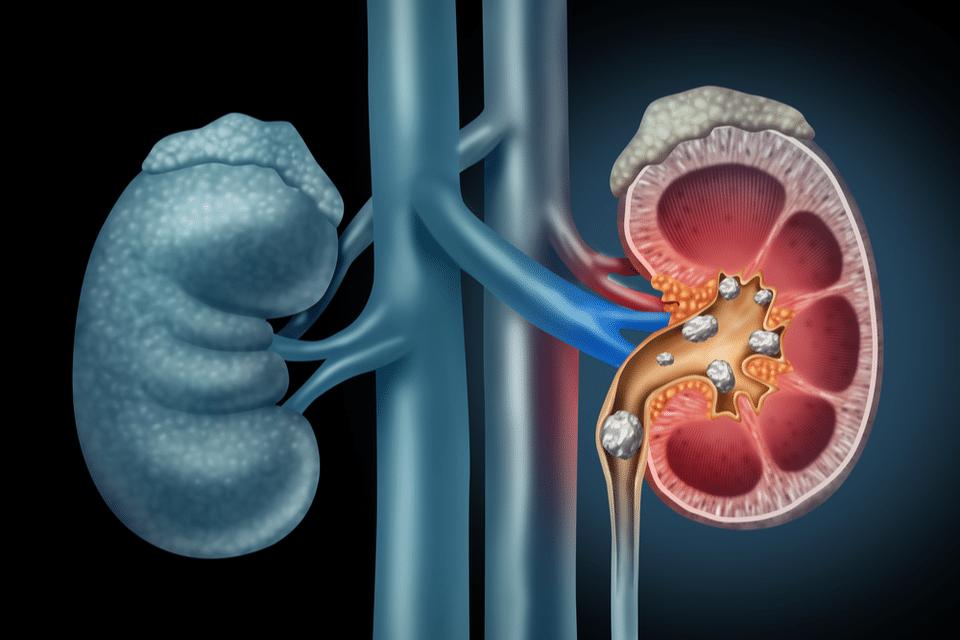
[hfe_template id=’1146′] Kidney stones, its causes and prevention during month of Ramadan Numerous studies have been developed to study the changes resulting from fasting in our daily healthy life. During the month of Ramadan, there is a drastic change in the life of the fasting person, especially the change in diet and fluid intake Since the body in hot areas and during fasting is less active, and at the same time the evaporation rate of fluids increases, these changes affect the body and the kidneys at the same time, causing pathological changes and disturbances in the physiochemical balance in the kidney as well changes in the hydrodynamic of the urinary tract, these changes induce sedimentation and crystallization of the minerals in the calyxes of the kidneys and then the formation of stones in them, and this only happens if these balance disorders coincide with factors and causes that induce their formation, such as an excessive unbalanced diet, especially in the case of excessive consumption of red meat and dairy milk that contain animal proteins and high degree of Amino acids (tryptamine, phenylalanine, and tyrosine) and as a result of the metabolism of these proteins and phospholipids, phosphorous and sulfuric acid are formed in the urine, causing a rise in acidic hydrogen ions (H +) acidity and the urine reaction becomes acidic, and this helps the growth, sedimentation, accumulation, and formation of uric acid stones, as for plant proteins and their amino acids, the metabolism of the organic acids of these plant fibers it leads to alkaline urine reaction and this helps the growth, precipitation, accumulation, and formation of calcium-oxalate stones in the kidneys but the aforementioned must coincide with pathological reasons that lead to the formation of stones. The general preventive measures are Fluid intake 2,5-3,0 L/day and neutral pH beverages, and balanced diet rich on vegetables and fiber with normal calcium content 1-1,2 g/day with limited animal protein content 0,8-1,8 g/kg per day and at least lifestyle advice to normalize general risk factors for example. BMI level less than 25, adequate physical activity and balancing of exercise Fluid less.  Prof. Dr. Semir Al-Samarrai [hfe_template id=’1176′]

Kidney stones, its causes and prevention during month of Ramadan قراءة المزيد »

Acute and chronic prostatitis

[hfe_template id=’1146′] Acute and chronic prostatitis Acute prostatitis is one of the most common infections in men compared to other infections. A recent statistic reported that the incidence of prostatitis exceeded the incidence of benign prostatic hyperplasia or prostate cancer, and in the early twenty-first century, it reached two million cases annually. The risk factors of prostate inflammatory syndrome lie in the weakness of the autoimmune system in these people, especially smokers and those with obesity and metabolic diseases, especially diabetes.  The main cause of acute bacterial prostatitis 74% is infection with germs related to Chlamydia, U.Urealyticum, Trichomonas vaginalis (T.Vaginalis) and E.coli , This infection is transmitted through sexual intercourse between spouses. The inflammatory state of the prostate is negatively affected by the inflammatory oxidative stress and the environmental contamination , and this contributes to the irritant and nervous inflammation of the bladder, prostate, urethra and pelvis. The origin of non-bacterial prostatitis may be caused by immunity or autoimmunity factor, and in some cases of bacterial infection it has been found that the cause is due to infection with a bacterium that is not usually found in the urinary tracts, but was transmitted to it from another source such as the intestine. The role of UreaPlasma and Chlamydia  remains important in cases of chronic prostatitis, as they were able to find them in the semen. It is known that the prostate gland has the ability to respond both local and general to any infection when exposed to a bacterial infection, and in cases of bacterial infection, antibodies were found in the serum and in the prostate fluid (IgG, IgA) against these germs. Prof.Dr.Semir Al Samarrai 30 years German Experience – one of the best Urologist & Andrologist  in Dubai Professor Al samarrai Medical Center – Dubai healthcare city  For calling  along 24 hours 0097144233669   Whatsapp 00971505573565    [hfe_template id=’1176′]

Acute and chronic prostatitis قراءة المزيد »

Scroll to Top