أحدث المقالات

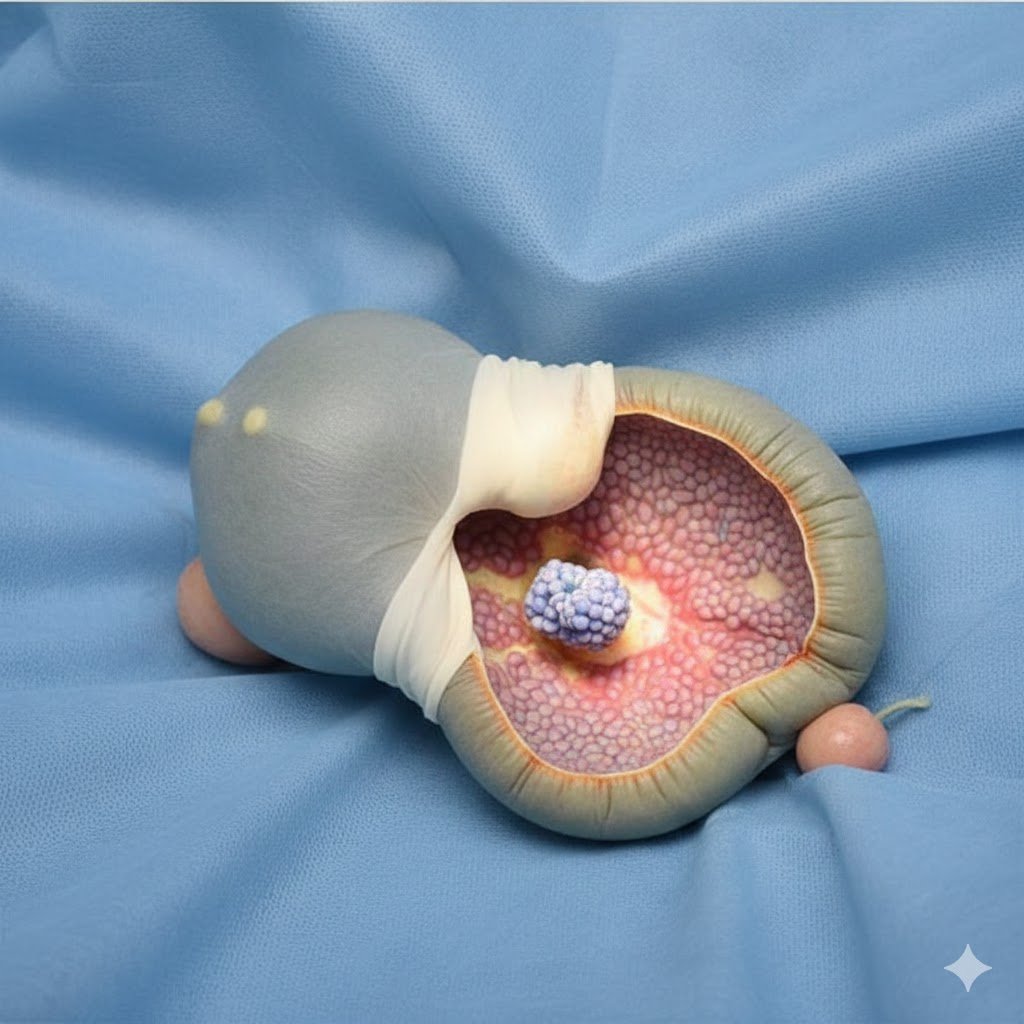
هل يمكن للتشخيص وللإستئصال الجذري المبكر لسرطان البروستاتا أن يتنبأ بنتائج شفاء منه وعدم إنتشاره موضعيا؟

هل يمكن للتشخيص وللإستئصال الجذري المبكر لسرطان البروستاتا أن يتنبأ بنتائج شفاء منه وعدم إنتشاره موضعيا؟

هل يمكن للتشخيص وللإستئصال الجذري المبكر لسرطان البروستاتا أن يتنبأ بنتائج شفاء منه وعدم إنتشاره موضعيا؟ البروفيسور الدكتور سمير أحمد السامرائي نعم يمكن التنبأ بنتائج الشفاء من سرطان البروستاتا إذا أعتمد على التشخيص الحديث ذو الخصوصية والحساسية العالية كالكشف المبكر من خلال اختبار المستضد البروستاتي النوعي في الدم وكذلك تشخيص كثافة ال PSA المسمى (PSAD) ومن ثم الخزعة البروستاتية المعتمدة على الإندماج الموجه من خلال التصوير الديناميكي لصور الرنين المغناطيسي وصور البروستاتا مع التصوير بالموجات فوق الصوتية عن طريق المستقيم لتجرى الخزعة البروستاتية بتقنية وبنسبة عالية للحصول على الخلايا أو التغيرات التي أكتشفت من خلال تصوير الرنين المغناطيسي ودمجها مع تصوير الموجات فوق الصوتية لغدة البروستاتا أثناء أخذ الخزعة وتحت التخدير الموضعي، وكذلك إذا أعتمد على العلاج الروبوتي الحديث بواسطة الروبوت DAVINCI XI الذي يقوم بإجراء جراحة طفيفة التوغل مع تشخيص الحافة الجراحية الإيجابية (PSMs) أثناء إستئصال البروستاتا الجذري بواسطة الروبوت DaVinci XI بواسطة إستعمال الدليل الواقعي الإضافي والمعززوالموجه المعرفي بواسطة تصوير الرنين المغناطيسي المتعدد المعالم (mp MRI) والذي يسهل أخذ الخزعة المقطعية المجمدة أثناء ذلك وبدون التأثير على السلامة الأنكولوجية فيها مخفضة خطورة عدم إكتشاف الحواف الإيجابية أثناء هذه الجراحة. يعد سرطان البروستاتا (PCa) مصدر قلق صحي كبير في جميع أنحاء العالم حيث يعاني ما يصل إلى 60٪ من المرضى من انتكاس كيميائي حيوي بعد العلاج الجذري لسرطان البروستاتا، ويعتبر ثاني وأكثر أنواع السرطانات شيوعًا لدى الذكور والسبب الخامس لوفيات السرطان لديهم في جميع أنحاء العالم [1]، وتشخص إصابة بهذا السرطان بنسبة 13-17% خلال فترة حياتهم ولرجل واحد من كل ستة إلى ثمانية رجال، وفي أوروبا تم الإبلاغ حديثا عن 340.000 إصابة جديدة و70.000 حالة وفاة سنويا مرتبطة بسرطان البروستاتا. سبب الإصابة به تعزى من قبل الوكالة الدولية لبحوث السرطان إلى نمو السكان عالميا، إرتفاع نسبة الشيخوخة عالميا وتقدم العمر كذلك مسؤول بنسبة عالية على الإصابة بهذا السرطان، أما التوارث العائلي والخلفية العرقية وكما أثبتته عدة دراسات إكلينيكية فإنه المسؤول الرئيسي لإرتفاع الإصابة بسرطان البروستاتا في عمر مبكر وخاصة لدى هؤلاء الذين لديهم إستعداد جيني لذلك [2,3]، وتكون نتيجة طفرات جينية وراثية في الجين (ه.ب.س.ل) في الذراع القصير للكروموزوم (واي) مؤديا إلى الإصابة بهذا السرطان مبكرا أي ب 6-7 سنوات [4]. وكما وأكدت الدراسات الحديثة بأن طفرات جينات أخرى وخاصة ال (ب.ر.ك.أ-2) و (ب.ر.ك.أ-1) وهذه أكدت بأنها عوامل خطورة وراثية مهيئة للإصابة بهذا السرطان [2,5]. وكما أثبتت الدراسات الإكلينيكية العالمية بأن إرتفاع المخاطر بالإصابة بهذا السرطان البروستاتي الوراثي كان الأعلى من مخاطر الإصابة بتلك السرطانات العائلية الأخرى كسرطان الثدي وسرطان المبيض الوراثي وسرطان القولون والمستقيم الوراثيين. أما إحتمال الإصابة بسرطان البروستاتا ذو الخطورة السرطانية العالية فإن نسبته قد بلغت 11% في سن ال 65 من العمر، خطورة تردء مراحل هذا السرطان و مقاومته الهرمونية تكمن في إصابة واحد من كل خمسة رجال يتم تشخيص السرطان عندهم. دراسة إكلينيكية حديثة أثبتت بعد متابعة رجال إكلينيكيا وسريريا سنويا و لمدة ثلاث سنوات ما بين سن ال 40-69، مع أخذ خزعة من غدة البروستاتا وقياس مستوى ال PSA والذي كان مافوق 3نانوغرام/مل والذين توجد لديهم مخاطر بالإصابة بسرطان البروستاتا الوراثي جينيا وخاصة بسبب طفرات في سلالة الجين (ب.ر.ك.أ 2) أنه بعد 3 سنوات من هذه الفحوصات التشخيصية السريرية شخص لديهم إرتفاع في معدل الإصابة بهذا السرطان رغم صغر سنهم أثناء التشخيص [6]. أما الدراسات الإحصائية الخاصة بالإصابة بسرطان البروستاتا من جراء التغير البيئي الخارجي (الهوائي والمائي والغذائي) فإنها دلت على أنها عوامل الخطورة المؤدية أيضا إلى الإصابة بنسبة عالية بهذا السرطان مسببة تطوره من سرطان كامن إلى سرطان سريري [7]. وكذلك دلت هذه الدراسات على أن الإصابة بالمتلازمة الأيضية وخاصة السمنة وإرتفاع محيط الخصر إلى مافوق 102 سم و الإصابة بإرتفاع ضغط الدم لها علاقة وطيدة بإرتفاع خطورة أكبر بالإصابة بسرطان البروستاتا، وفي نفس الوقت وخاصة إزدياد الإصابة بالسرطان ذو الدرجة العالية لدى الرجال المصابون بالسمنة المفرطة [8]. أما عوامل الخطورة المحتملة الأخرى للإصابة بسرطان البروستاتا فإنها تكون نسبة الإصابة مرتفعة عند هؤلاء الرجال الذين يصابون بمرض التهاب الأمعاء مقارنة مع عامة السكان [9]، وكذلك الإصابة بالجرثوم الإحليلي السيلاني أدى إلى إرتفاع إصابة هؤلاء بسرطان البروستاتا [10]. أما إرتباط التدخين في تكون هذا السرطان فإنه يؤدي أيضا إلى زيادة خطر الموت بسبب الإصابة بهذا السرطان [11،12]. أما الرجال الذين يصابون بفيروس الورم الحليمي البشري (HPV-16) فإنهم قد يكونون في خطر متزايد بالإصابة بسرطان البروستاتا [12]. أما وجود تركيز مرتفع النسبة من المبيد الحشري الكلورديكون الأستروجيني في الدم فإنه يؤدي إلى إرتفاع خطر الإصابة بسرطان البروستاتا [13]. أما أعراض الإصابة بسرطان البروستاتا فإنها تكون لها علاقة بتغيرات مرضية تفريغية وتضيقية في الإحليل وعنق المثانة مؤدية إلى ضعف التيار التدفقي أثناء التبول وتغيرات تخزينية مؤدية إلى التبول الإلحاحي والسلس الإلحاحي والتردد ليلا ونهارا للتبول. تسبق الإصابة بإنتشار سرطان البروستاتا في الجسم عودة إرتفاع مستوى المستضد النوعي في دم المصاب بهذا السرطان أثناء فترة من الزمن مابين 7 إلى 8 سنوات بعد الإستئصال الجذري أو العلاج الإشعاعي لهذا السرطان، وعندما يُشتبه في حدوث انتكاس كيميائي حيوي (Biochemical relapse) ويتجاوز مستوى المستضد النوعي البروستاتي (PSA) إلى مافوق 0.2 نانوغرام / مل فإن الحاجة تصبح ملحة للجوء إلى الأجهزة التصويرية البوزيترونية (PET)، حيث دلت الدراسات الإكلينيكية لأجهزة التتبع الإشعاعية (Radiotracer) والتي تستهدف مؤشرات في خلايا سرطان البروستاتا بأن إستخدام غشاء المستضد النوعي البروستاتي في التصوير (PSMA) حضى الآن بأكبر قدر من الإهتمام في هذا المجال التشخيصي المهم وفي تشخيص التكرار الكيميائي الحيوي لسرطان البروستاتا بعد الإستئصال الجذري لهذا السرطان فإن التطبيق الأكثر دراسة إكلينيكيا وعلى نطاق واسع كان للتصوير بواسطة ال PSMA حيث تم الإبلاغ من خلال أكبر دراستين إكلينيكيتين بتأكيد تقييم النتائج التشخيصية الإيجابية بواسطة التصوير(68Ga-PSMA PET / CT) بنسبة 82% وخاصة للذين أشتبه بإصابتهم في تكرار السرطان بعد الإستئصال الجذري له وكذلك بعد علاجهم بالحرمان الهرموني ADT [14] حيث ارتبط معدل التشخيص عن الإنتشار بشكل طردي مع إرتفاع مستوى ال PSA في دم المصاب وخاصة عند إرتفاع هذا المستوى إلى مافوق 20 نانوغرام/مل وفي نفس الوقت أدى هذا الإرتفاع لمستوى ال PSA إلى تحسن الحساسية التشخيصية لهذه الطريقة التصويرية الحديثة بنسبة 100%، بينما دلت دراسة أخرى [15] إلى إكتشاف النشوء السرطاني بنسبة 60% عندما كان مستوى ال PSA تحت 2.2 نانوغرام/مل وكان الإكتشاف لنشوء سرطاني بروستاتي بنسبة 100% عندما كان مستوى ال PSA مافوق 2.2 نانوغرام/مل. عند اكتشافه مبكرًا، وخاصة في حالة إكتشاف الإصابة بالسرطان بمرحلة مبكرة وموضعية في غدة البروستاتا وإستئصاله جذريا، فإن فترة البقاء على قيد الحياة تكون بنسبة 100% لمدة 5

هل يمكن للتشخيص وللإستئصال الجذري المبكر لسرطان البروستاتا أن يتنبأ بنتائج شفاء منه وعدم إنتشاره موضعيا؟ قراءة المزيد »

علاج التبول الليلي

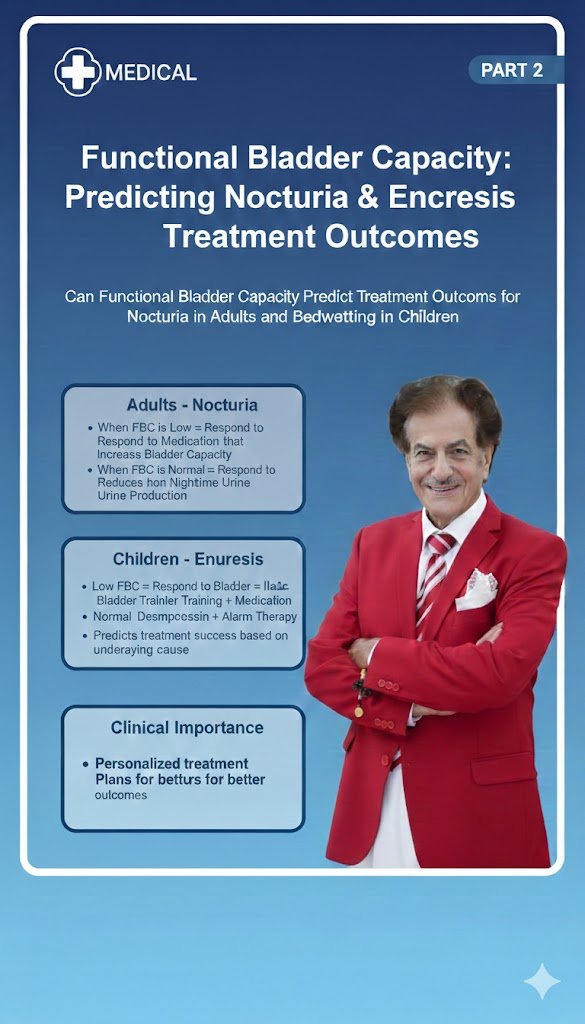
هل يمكن للسعة الوظيفية للمثانة أن تتنبأ بنتائج علاج التبول الليلي لدى الرجال والنساء والسلس البولي الليلي لدى الاطفال؟ ج2

هل يمكن للسعة الوظيفية للمثانة أن تتنبأ بنتائج علاج التبول الليلي لدى الرجال والنساء والسلس البولي الليلي لدى الاطفال؟ الجزء الثاني البروفيسور الدكتور سمير أحمد السامرائي أما إصابة الأطفال بالبيلة الليلية فإنه تم تعريفها بأنها سلس بولي ليلي (NE) مع عدم السيطرة الانتظامية على التبول وحدوثه ويكون غير إرادي أثناء النوم وأثناء الليل وخاصة لدى الأطفال الذين تتراوح أعمارهم ما بين 5 سنوات و18 سنة. يقسم السلس البولي الليلي إلى نوعين أولهما سلس بولي ليلي ذو العرض الواحد (MNE) وثانيهما سلس بولي ليلي الذي يظهر مع أعراض أخرى في المسالك البولية السفلى (NMNE)، أما الأطفال المصابون بالنوع الثاني فإنهم مصابون أيضا بإضطرابات وظيفية في المثانة، وقد يؤدي هذا السلس البولي الليلي لهؤلاء الأطفال إلى مشاكل نفسية ومشاكل في حياتهم الإجتماعية اليومية. يعد سلس البول الليلي بأنه مرض متعدد العوامل. الأسباب الرئيسية فإنها تكون من جراء التبول الليلي الزائد (Nocturnal Polyuria) بسبب الإصابة جينيا أو مكتسبا بإنخفاض إنتاج الهرمون المانع للإدرار (ADH) وهذا الهرمون هو المسؤول على توازن السوائل في الجسم، أو الإصابة بالمثانة ذو السعة الصغيرة (Low Functional Bladder Capacity) وكذلك الإصابة بإضطراب الإستثارة أثناء النوم أو إصابتهم وراثيا من أحد الوالدين نسبة 40% أو كلاهما بنسبة 70%. تشخيص وتقييم سعة المثانة الوظيفية لدى هؤلاء الأطفال المصابون بالبيلة الليلية يتم من خلال معرفة وتثبيت المعلومات من الطفل وعائلته وخاصة عن تبوله أثناء النهار وأثناء الليل مع قياس سعة المثانة بواسطة الموجات فوق الصوتية وديناميكيتها بواسطة جهاز الذبذبات التفريغية البولية (Uroflowmetry) وكذلك قياس سمك جدار المثانة وقياس المتبقي في المثانة بعد التبول. هذه الوسائل التشخيصية تعتبر أمرا أساسيا في وضع الإستراتيجية العلاجية لهؤلاء الأطفال ومراقبة إستجابتهم لهذا العلاج. رغم الدراسات العديدة حول السلس البولي الليلي، فإنه لايزال هنالك تباين كبير في الطريقة التشخيصية والتقييمية وكذلك الإستراتيجيات العلاجية لهذا المرض. تشخيصيا توصي جمعية السلس البولي لدى الأطفال لتخمين وتقييم وتشخيص صغر سعة المثانة الوظيفية (FBC) مع استخدام مخططات التردد إلى الحمام للتبول ليلا ونهارا وقياس كمية البول خلال 48 ساعة (48-h F/V) حيث أنه من خلال هذه الطريقة التشخيصية نستطيع أن نقيم قدرة وسعة المثانة الوظيفية وكذلك نستطيع معرفة كمية البول القصوى (MVV) الذي يمكن الحصول عليه بإستخدام هذه المخططات (48-h F/V charts) لمعرفة القدرة الوظيفية للمثانة الحقيقية. ومن الوسائل التشخيصية المهمة كذلك هو تشخيص المتبقي من البول في المثانة بعد تفريغها بواسطة فحص المثانة بالموجات فوق الصوتية وقياس البول المتبقي، إضافة إلى ذلك تقاس ديناميكية تدفق البول (UFM) من خلال الإحليل [1] وكذلك قد نلجأ إذا لم يتم تشخيص السبب الرئيسي لهذا المرض إلى فحص تفريغ المثانة بواسطة التصوير بالأشعة السينية (Micturating Cystography)، وهذه تعتبر كوسائل تشخيصية بديلة لتقييم القدرة الوظيفية للمثانة. أظهرت العديد من الدراسات أن سعة المثانة الوظيفية تقل إلى 50% لدى هؤلاء الأطفال الذين يعانون من التبول الليلي. ووفقًا لدراسة Kim، كان 46.5٪ من جميع هؤلاء الأطفال لديهم سعة مثانية مخفضة بالنسبة لأعمارهم، وإرتفع تشخيص سعة مثانية صغيرة لدى هؤلاء الأطفال الذين يشكون من التبول اللاإرداي في الفراش يوميا ولدى الأطفال الذين يتبولون في الفراش أثناء الليل لمرات عديدة. في دراسةLiu et al ، كان 33.9٪ من هؤلاء الأطفال الذين يعانون من التبول الليلي الأحادي مصابون بصغر سعة المثانة. وأفادت دراسة Acosta et al بأن 85٪ من هؤلاء الاطفال المصابون بالتبول اللاإرادي ليلا شخص إصابتهم بسعة مثانية صغيرة وأقل من 70٪ من السعة المتوقعة للمثانة في أعمارهم، وربما يعود ذلك إلى أن الحد الأدنى للسعة الوظيفية الطبيعية للمثانة وضع في 70%. وذكر Kang وآخرون بأن السعة الوظيفية تكون 68٪-70٪ (وفقًا لطرق القياس) بأن هؤلاء الأطفال لديهم سعة مثانية صغيرة بالنسبة لأعمارهم، بغض النظر عن مجموعة التبول الليلي .[2] أظهرت عدة دراسات بأن علاج هؤلاء الأطفال بالهرمون المضاد للإدرار (Desmopressin) قد أثرعلى السعة الوظيفية للمثانة. حيث أفاد الباحث كيم عن وجود علاقة ملحوظة بين شدة التبول الليلي الغير إرادي ودرجة انخفاض السعة الوظيفية للمثانة .[3] كما وأفاد الباحث يونج وآخرون بأن مجموعة هؤلاء الأطفال ذو السعة الوظيفية الصغيرة يتعرضون لإنتكاسات في الاستجابة أثناء العلاج بالهرمون المضاد للإدرار (الديسموبريسين) [4]. وكما ذكر إيلر [5] ورشتون [6] أنه إذا تجاوزت السعة الوظيفية للمثانة 70% من السعة المتوقعة والمعدلة لعمر الطفل، فمن المتوقع أن يكون هناك استجابة جيدة للعلاج بواسطة الهرمون المضاد للإدرار (الديسموبريسين)، ومع ذلك فقد أكدت دراسة إكلينيكية حديثة بإرتفاع السعة الوظيفية للمثانة بنسبة 30% أو أكثر ورغم توقف العلاج لمدة 6 أشهر. وفي الأخير تشير المبادئ التوجيهية العملية لعلاج التبول الليلي اللاإرادي عند هؤلاء الأطفال إلى أن السعة الوظيفية المنخفضة للمثانة مقارنة بالعمر كان لها علاقة بالإستجابة المنخفظة لعلاج الهرمون المضاد للإدرار (الديمسوبريسين). ولكن لم يجد Chang و Yang أي علاقة ملحوظة بين السعة الوظيفية المنخفضة للمثانة والاستجابة للعلاج هذا، بل أكدوا بدلاً من ذلك بأن المتبقي من البول بعد تفريغ المثانة و إرتفاع نسبته وفي نفس الوقت إرتفاع نسبة الإدرار بكمية كبيرة أثناء الليل كانت عوامل تنبؤية مهمة للإستجابة إلى علاج هذا المرض. وفي دراسة للباحث Liu وآخرين، دلت على أن السعة الوظيفية للمثانة لم تكن عاملًا تنبؤيًا للاستجابة على علاج الهرمون المضاد للإدرار [7]. في الخلاصة، يعدُّ الاضطراب اللاإرادي للتبول الليلي لدى هؤلاء الأطفال مرضًا معقدًا له عوامله المذكورة آنفا. ولهذا فإن إستخدام الوسائل التشخيصية العديدة لمعرفة سعة المثانة الوظيفية وعلاقتها بالسلس الليلي اللاإرادي عند هؤلاء الأطفال تعد هدفا تشخيصيا أوليا لتحديد إستراتيجية العلاج. ويعد الرسم البياني F/V لمدة 48 ساعة والاختبار الوظيفي للمثانة مع قياس المتبقي بالمثانة بعد تفريغها وسائل تشخيصية موثوقة لقياس سعة المثانة الوظيفية لدى هؤلاء الاطفال الذين يعانون من السلس البولي الليلي وخاصة الذين يعانون من السلس البولي الليلي الشديد فقد أضهرت بأن السعة الوظيفية للمثانة تعتبر علامة تشخيصية مهمة لعلاج التبول الليلي اللاإرادي عند هؤلاء الأطفال والذي يجب أن يكون ليس أحاديا بالهرمون المضاد للإدرار وإنما مركبا يحتوي على علاج المثانة ذو الفعالية الفائقة وذو السعة الوظيفية الصغيرة لكي تكون نسبة نجاحه عالية كما أثبتتها الدراسات المذكورة آنفا.Top of Form REFERENCES: [1]: Maternik M, Chudzik I, Krzeminska K et al: Evaluation of bladder capacity in children with lower urinary tract symptoms: comparison of 48-hour frequency/volume charts and uroflowmetry measurements. J Pediatr Urol 2016; 12: 214.e1. [2]: Kang BJ, Chung JM and Lee SD: Evaluation of functional bladder capacity in children with nocturnal enuresis according to type and treatment outcome. Res Rep Urol 2020; 12: 383. [3]: Kim JM: Diagnostic value of functional bladder capacity, urine osmolality, and daytime storage symptoms for severity of nocturnal enuresis. Korean J Urol 2012; 53: 114.

هل يمكن للسعة الوظيفية للمثانة أن تتنبأ بنتائج علاج التبول الليلي لدى الرجال والنساء والسلس البولي الليلي لدى الاطفال؟ ج2 قراءة المزيد »

هل الوقاية لوحدها في شهر رمضان تحمي من تكوّن حصى الكلى لدى الإنسان ؟

هل الوقاية لوحدها في شهر رمضان تحمي من تكوّن حصى الكلى لدى الإنسان ؟

هل الوقاية لوحدها في شهر رمضان تحمي من تكوّن حصى الكلى لدى الإنسان ؟ مقال مراجعة شاملة البروفيسور سمير أحمد سالم السامرائي 2026-02-14 الإحصائيات الحديثة تدل على انتشار حصى الكلى بنسبة 21٪ ومعدل الانتشار الموحد للعمر بين الرجال والنساء كان بنسبة 24٪ لدى الرجال و 18٪ لدى النساء، وكان متوسط عمر المشاركين في الدراسة الإكلينيكية 52 سنة، وقد لوحظ كذلك ارتفاع معدل انتشار الإصابة بحصى الكلى بنسبة 40% لدى النساء اللواتي تتراوح أعمارهن بين 40 و 50 سنة، وكانت الإصابة بحصى الكلى بنسبة 31% لدى الذين كان وضعهم الاقتصادي والاجتماعي ذو مستوى معتدل كما وكانت الإصابة بنسبة 44% لدى الرجال الذين يعانون من زيادة الوزن وبنسبة 35% الذين كانوا ذو وضع إقتصادي وإجتماعي مرتفع جدا. أظهرت نتائج الدراسات ذو الانحدار اللوجستي المتعدد بأن الإصابة بحصى الكلى كانت أعلى 1.1 مرة لدى مرضى السكري، و 1.4 مرة أعلى لدى الأفراد المصابين بارتفاع ضغط الدم، و 2.2 مرة أعلى لدى الأفراد المصابين بالكبد الدهني، و 1.3 مرة أعلى لدى الأفراد الذين يعانون من زيادة الوزن. وفي دراسة إكلينيكية حديثة، تم تحديد عوامل الخطر المؤدية للإصابة بحصى الكلى لدى الرجال وهي العمر والسمنة والإصابة بالكبد الدهني ومرض السكري وإرتفاع ضغط الدم. لذلك، فإن تحديد الأفراد المعرضين لخطر الإصابة بحصى الكلى وتوفير الوقاية اللازمة لهم يمكن أن يساعد بشكل كبير في الحد من هذا المرض. ومع ذلك، يجب على صانعي السياسات الصحية إعداد استراتيجيات وقائية للحد من حدوث حصى الكلى. أحدث الأبحاث حول الإصابة بحصى الكلى هي دراسة رصدية مستقبلية أجراها سيفيك وآخرون. من تركيا، والتي شملت 176 مريضاً كانوا يشكون من مغص كلوي حاد قبل وأثناء شهر رمضان. على الرغم من أن المؤلفين أبلغوا عن بعض الاختلافات في مستقلبات البول، فقد خلصوا إلى أن شهر رمضان لم يكن مرتبطًا بالتغير في تكرار زيارات الصليب الأحمر. [1]أفادت دراسة من المملكة العربية السعودية أجراها الحضرمي عن وجود ارتباط كبير بين المغص الكلوي مع ارتفاع درجة الحرارة بدلاً من رمضان. [2]مماثل كما تم الإبلاغ عن النتائج من إيران من قبل بصيري وآخرين. [3]وعلى العكس من ذلك، ذكرت دراسة واحدة فقط وجود ارتباط كبير بين الإصابة بشهر رمضان ومرض المغص الكلوي؛ عبد الرضا وآخرون. أظهر زيادة ملحوظة في قبول المغص الكلوي فقط خلال الأسبوعين الأولين من شهر رمضان في مجموعة صغيرة مكونة من 610 مريض.[4] على الرغم من أن نتائجنا تشبه ظاهريًا هذه الدراسة، إلا أن البحث الحالي يوسع النتائج الحديثة بعدة وسائل. أولاً، قمنا بحساب الخطر النسبي للأسبوعين الأولين من رمضان ليس فقط مقارنة بالأسبوعين الثانيين، ولكن أيضًا مقارنة بالعام بأكمله. دلت دراسة حديثة على إرتفاع الإصابة بالمغص الكلوي الحاد بسبب حصى الكلى والحالب بنسبة 26% أدى إلى زيارة هؤلاء إلى قسم الطوارئ خلال الأسبوعين الأولين من رمضان مقارنة بالفترة غير رمضان. دلت دراستين إكلنيتين على حدوث إرهاق للجسم مصحوبًا بتغيرات إفرازية مرتفعة للعديد من الهرمونات وخاصة الهرمون المضاد للإدرار Antidiuretic hormone (ADH) المسؤول على إنتاج البول وتوازن إنتاج السوائل في الجسم وإنتاج ACTH الذي إذا إرتفعت نسبته فإن إرتفاع نسبة الكالسيوم في الجسم بسبب إرتفاع نسبة إمتصاصه من الأمعاء ومن ثم إرتفاع نسبة الكالسيوم في البول.[5,6] وقد أكدت الدراستين على أن التغييرات الهرمونية الإضافية مرتبطة بالصيام لفترات طويلة عند تحليل البول مختبريا حيث أثبت إفراز وتركيزات رواسب في البول قبل وأثناء شهر رمضان.[7] هذه الملاحظات بالإضافة إلى حقيقة أن الزيادة في حدوث مغص كلوي تكون واضحة فقط خلال الأسبوعين الأولين من شهر رمضان، قد تؤدي إلى التخمين بأن التكيف الكلوي مع الصيام يحدث نسبيًا مبكر. أثناء التعرض لدرجة حرارة عالية، هناك زيادة فقدان السوائل خارج الخلوية، مما يؤدي إلى ارتفاع الأسمولية في الدم وزيادة إفراز الهرمون المضاد للإدرار ADH في النهاية. في وقت لاحق يقلل من تصفية المياه الحرة في الكلى وكمية البول ويزيد من الأسمولية البولية. تؤدي هذه التغييرات في النهاية إلى زيادة تشبع البول الفائق بأملاح تكوين الحصوات. [8-10] يمكن لهذه الآلية أن تفسر الملاحظات المتكررة لزيادة المغص الكلوي على وجه التحديد خلال فصل الصيف في نصف الكرة الشمالي [11,12] إن التغيير في النظام الغذائي المعتاد المرتبط بصيام رمضان قد يزيد من خطر الإصابة بحصى الكلى.[13] دراسة إكلينيكية حديثة تدل على وجود علاقة كبيرة وإيجابية بين زيارات قسم الطوارئ مع الإصابة بالمغص الكلوي أو الحالبي الحاد في الأسبوعين الأولين من شهر رمضان، مع التحكم في درجة الحرارة المحيطة واستخدام تحليل مجموعة التحكم غير الصائمة. تسلط الدراسات الضوء على قدرة الكلى على التكيف حتى أثناء الظروف القاسية للصيام لفترات طويلة. هناك حاجة إلى مزيد من البحث لتوضيح آليات التكيف هذه خلال مراحل مختلفة من صيام رمضان ولتطوير استراتيجيات التكيف لإدارة هذه الحالة الشائعة خلال هذا الشهر الكريم. REFERENCES: 1.Cevik Y, Corbacioglu SK, Cikrikci G, Oncul V, Emektar E. The effects of Ramadan fasting on the number of renal colic visits to the emergency department. Pak J Med Sci 2016; 32:18–21. 2. Al-Hadramy MS. Seasonal variations of urinary stone colic in Arabia. J Pak Med Assoc 1997; 47:281–3. 3. Basiri A, Moghaddam S, Khoddam R, Nejad S, Hakimi A. Monthly variations of urinary stone colic in Iran and its relationship to the fasting month of Ramadan. J Pak Med Assoc 2004; 54:6–7. 4.Abdolreza N, Omalbanin A, Mahdieh TS, Mohammad Ali MR, Reza MS, Maryam S, et al. Comparison of the number of patients admittedwith renal colic during various stages of peri-Ramadanmonth. Saudi J Kidney Dis Transpl 2011; 22:1199–202. 5.Walters D. Stress as a principal cause of calcium oxalate urolithiasis. Int Urol Nephrol 1986; 18:271–5. 6. Kalaitzidis RG, Damigos D, Siamopoulos KC. Environmental and stressful factors affecting the occurrence of kidney stones and the kidney colic. Int Urol Nephrol 2014; 46:1779–84. 7. Miladipour AH, Shakhssalim N, Parvin M, Azadvari M. Effect of Ramadan fasting on urinary risk factors for calculus formation. Iran J Kidney Dis 2012; 6:33. 8.Fakheri RJ, Goldfarb DS. Ambient temperature as a contributor to kidney stone formation: implications of global warming. Kidney Int 2011; 79:1178–85. 9.Coe FL, Evan AP, Worcester EM, Lingeman JE. Three pathways for human kidney stone formation. Urol Res 2010; 38:147–60. 10.Evan AP, Lingeman JE, Coe FL, Parks JH, Bledsoe SB, Shao Y, et al. Randall’s plaque of patients with nephrolithiasis begins in basement membranes of thin loops of Henle. J Clin Invest 2003; 111:607–16. 11.Freeg MA, Sreedharan J, Muttappallymyalil J, Venkatramana M, Shaafie IA, Mathew E, et al. A retrospective study of the seasonal pattern of urolithiasis. Saudi J Kidney

هل الوقاية لوحدها في شهر رمضان تحمي من تكوّن حصى الكلى لدى الإنسان ؟ قراءة المزيد »

تطورات حديثة في علاج ووقاية الكليتين من تكون الحصى أثناء الصيام

تطورات حديثة في علاج ووقاية الكليتين من تكون الحصى أثناء الصيام

  تطورات حديثة في علاج ووقاية الكليتين من تكون الحصى أثناء الصيام مقال مراجعة شاملة البروفيسور الدكتور سمير أحمد السامرائي 14-02-2026 شهر رمضان هو شهر الإيمان والتقوى في الإسلام،إنه الشهر الذي يتخلله الصوم ومن الطبيعي أن يحدث بهذا الشهر تغير نمطي وسلوكي في حياة الصائم. دراسات عديدة قد تم وضعها لدراسة التغيرات الناتجة صحيا عن الصوم في حياتنا اليومية. خلال شهر رمضان هنالك تغير جذري في حياة الصائم وخاصة التغير الحاصل للنظام الغذائي وتناول السوائل، وبما أن الجسم في المناطق الحارة و أثناء الصيام أقل نشاطا، وفي نفس الوقت ترتفع فيه نسبة تبخر السوائل فإن هذه التغيرات يتأثر بها الجسم والكليتين في آن واحد، مسببة تغيرات باثولوجية وإضطرابات في التوازن الفيزيوكيميائي في الكلية والهيدروديناميكي في المسالك البولية نتيجتها ترسبات الأملاح والمعادن في كؤوس الكليتين ومن ثم نشوء الحصى فيها وهذا يحدث فقط إذا تزامنت هذه الاضطرابات التوازنية مع عوامل واسباب تساعد على تكونها كنمط الحياة الغذائي المفرط،وخاصة في حالة الافراط في تناول اللحوم الحمراء والالبان والتي تحتوي على البروتينات الحيوانية وبدرجة عالية على الحوامض الامينية (الترتيبتونات والفنيلالانين والتيروزين) ومن جراء الهدم الايضي لهذه البروتينات والفوسفوليبيدات يتكون الفسفور وحامض الكبريت في البول مسببا ارتفاع الايونات الهيدروجينية (H+) الحامضية ويصبح تفاعل البول حامضيا و هذا يساعد على نمو وترسب وتراكم وتكون حصى الحامض اليوريكي،أما البروتينات النباتية وحوامضها الأمينية فان الهدم الايضي للحوامض العضوية لهذه الألياف النباتية يؤدي إلى البول القاعدي التفاعل وهذا يساعد على نمو وترسب وتراكم وتكون حصى الكالسيوم-أوكسالات في الكلى، ولكن يجب ان يتزامن المذكور آنفا مع أسباب باثولوجية تؤدي إلى تكون الحصى. [1] أما تشخيص حصى الكلى فيتم حديثاً بواسطة الموجات فوق الصوتية وحصى الكلى والحالب بواسطة الأشعة المقطعية السينية لمعرفة حجمها وموقعها.العلاج الحديث لحصى الكلى والحالب ماتحت حجم ال5 ملم يتم بواسطة مبطلات الأدرينالين ألفا والبوتاسيوم سترات ومضادات حامض اليوريكي، وللحصى مافوق ال 5 ملم يتم ذلك من خلال الموجات الكهرومغناطيسية (ESWL) لتفتيتها والمنظار الليزري لتفتيت تلك الحصى التي يصعب تفتيتها وإخراجها من الحالب أو الكلى بواسطة ال ESWL والتي يكون حجمها مابين 5-6 ملم.مع العلم بأن الحصى التي يكون حجمها ما بين 6 و 10 ملم، ومافوق ال 20 ملم يكون نسبة تنقيتها بعد تفتيتها ما بين 80-58% ولهذا وحسب الدراسات الإكلينيكية الواسعة تم الإتفاق على تركيب دعامة بين الحوض الكلوي والحالب قبل التفتيت لكي تتم التنقية بعد التفتيت بصورة كاملة ولكي نتفادى مضاعفات وأوجاع مؤلمة في الكلى والحالب المصاب من جراء توقف الحصيات المتفتتة[2,3] . تدابيرنا الوقائية العامة كتفادي تكون الحصى في الكليتين هو تناول السوائل بكمية 2,5 إلى 3,0 لتر في اليوم مع شرب درجة حموضة محايدة،ونصيحتنا الغذائية لنظام غذائي متوازن،غني بالخضاروالألياف،وغذاء يحتوي على الكالسيوم الطبيعي من 1 إلى 1,2 غرام في اليوم و يحتوي على بروتين حيواني محدود من 0,1 إلى 0,8 غرام لكل كيلوغرام من الوزن في اليوم،وأخيرا وليس آخرا فإننا ننصح بنمط حياة لتطبيع عوامل الخطورة العامة في تكون الحصى وخاصة الحفاظ على كتلة جسدية لا تتجاوزالBMI<25 ،وفي نفس الوقت ممارسة النشاط البدني الكافي مع موازنة فقدان السوائل المفرط. REFERENCES: [1]: Keoghane, history of untreated renal tract calculi. BJU Int, 2010. 105: 1627. [2]: Chew, B.H., et al. Natural History, Complications and Re-Intervention Asymptomatic Residual Stone Fragments after Ureteroscopy: a Report from the EDGE Research Consortium. J Urol, 2016. 195: 982. [3]: Candau, C., et al. Natural history of residual renal stone fragments after ESWL. Eur Urol, 2000. 37: 18. بيانات المؤلف: البروفيسور الدكتور سمير السامرائي المدير الطبي لمركز البروفيسور السامرائي الطبي مدينة دبي الطبية، مجمع الرازي الطبي 64، المبنى د، الطابق 2، العيادة 2018 الإيميل: semiralsamarrai@hotmail.com

تطورات حديثة في علاج ووقاية الكليتين من تكون الحصى أثناء الصيام قراءة المزيد »

Benign Prostatic Enlargement

Benign Prostatic Enlargement

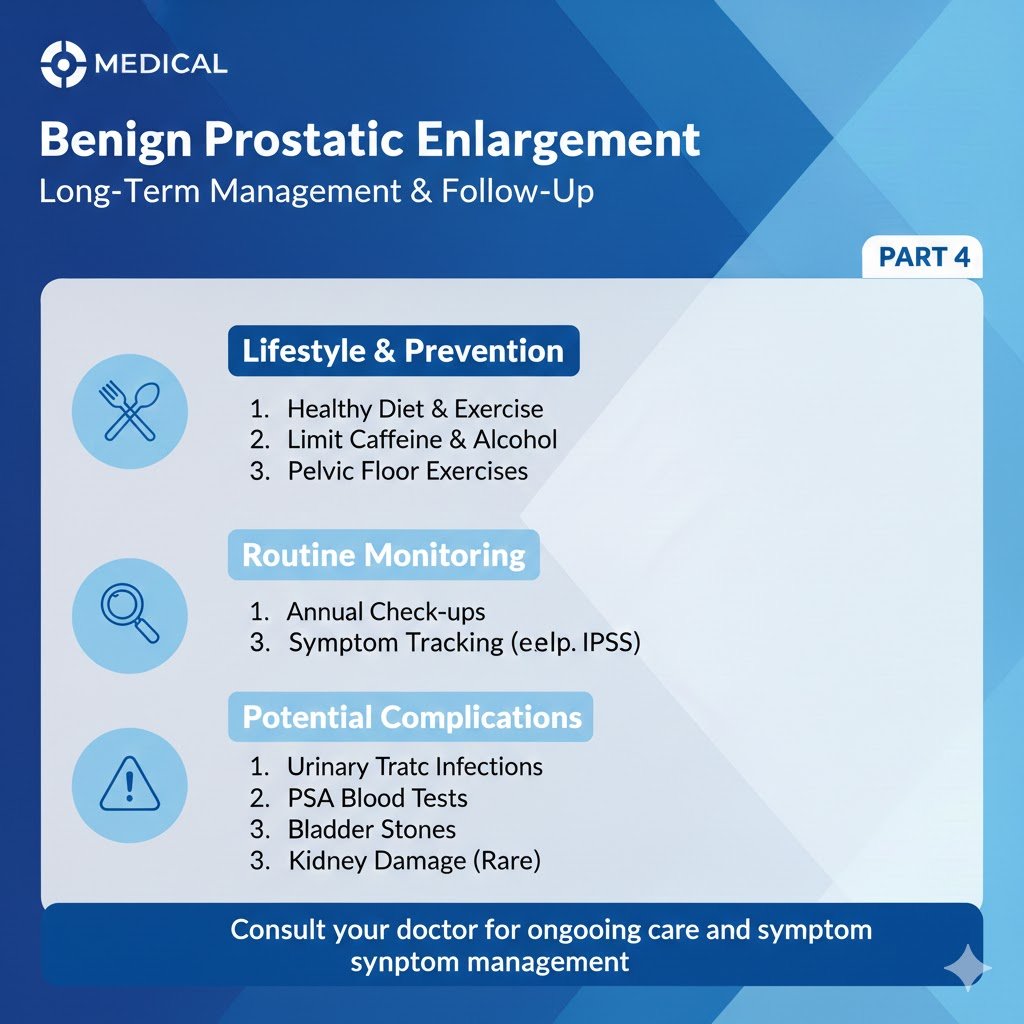
Benign Prostatic Enlargement Management of Nocturia in men with lower urinary tract symptoms PART 4 Comprehensive Review Article Prof. Dr. Semir. A. Salim. Al Samarrai Nocturia has been defined as the complaint of waking at night to void [1]. The ICS Standardisation Steering Committee has introduced the concept of main sleep period, defined as “the period from the time of falling asleep to the time of intending to rise for the next “day” [2]. Nocturia reflects the relationship between the amount of urine produced while asleep, and the ability of the bladder to store the urine received. Nocturia can occur as part of lower urinary tract dysfunction (LUTD), such as OAB and chronic pelvic pain syndrome. Nocturia can also occur in association with other forms of LUTD, such as BOO, but here it is debated whether the link is one of causation or simply the co-existence of two common conditions. Crucially, nocturia may have behavioural, sleep disturbance (primary or secondary) or systemic causes unrelated to LUTD (Table 2). Differing causes often co-exist and each has to be considered in all cases. Only where LUTD is contributory should nocturia be termed a LUTS. Table 1. Categories of nocturia The golden standard treatment for Nocturia based on the antidiuretic hormone arginine vasopressin (AVP) which plays a key role in body water homeostasis and control of urine production by binding to V2 receptors in the renal collecting ducts. Arginine vasopressin increases water re-absorption and urinary osmolality, so decreasing water excretion and total urine volume. Arginine vasopressin also has V1 receptor mediated vasoconstrictive/hypertensive effects and a very short serum halflife, which makes the hormone unsuitable for treating nocturia/nocturnal polyuria. Desmopressin is a synthetic analogue of AVP with high V2 receptor affinity and no relevant V1 receptor affinity. It has been investigated for treating nocturia [3], with specific doses, titrated dosing, differing formulations, and options for route of administration. Most studies have short follow-up. Global interpretation of existing studies is difficult due to the limitations, imprecision, heterogeneity and inconsistencies of the studies. A SR of randomised or quasi-randomised trials in men with nocturia found that desmopressin may decrease the number of nocturnal voids by -0.46 compared to placebo over short-term follow-up (up to three months); over intermediate-term follow-up (three to twelve months) there was a change of -0.85 in nocturnal voids in a substantial number of participants without increase in major adverse events [4]. Another SR of comparative trials of men with nocturia as the primary presentation and LUTS including nocturia or nocturnal polyuria found that antidiuretic therapy using dose titration was more effective than placebo in relation to nocturnal voiding frequency and duration of undisturbed sleep [5]. Adverse events include headache, hyponatremia, insomnia, dry mouth, hypertension, abdominal pain, peripheral edema, and nausea. Three studies evaluating titrated-dose desmopressin in which men were included, reported seven serious adverse events in 530 patients (1.3%), with one death. There were seventeen cases of hyponatraemia (3.2%) and seven of hypertension (1.3%). Headache was reported in 53 (10%) and nausea in fifteen (2.8%) [5]. Hyponatremia is the most important concern, especially in patients > 65 years of age, with potential lifethreatening consequences. Baseline values of sodium over 130 mmol/L have been used as inclusion criteria in some research protocols. Assessment of sodium levels must be undertaken at baseline, after initiation of treatment or dose titration and during treatment. Desmopressin is not recommended in high-risk groups [5]. Desmopressin oral disintegrating tablets (ODT) have been studied separately in the sex-specific pivotal trials CS41 and CS40 in patients with nocturia [6,7]. Almost 87% of included patients had nocturnal polyuria and approximately 48% of the patients were > 65 years. The co-primary endpoints in both trials were change in number of nocturia episodes per night from baseline and at least a 33% decrease in the mean number of nocturnal voids from baseline during three months of treatment. The mean change in nocturia episodes from baseline was greater with desmopressin ODT compared to placebo (difference: women = -0.3 [95% CI: -0.5 to -0.1]; men = -0.4 [95% CI: -0.6 to -0.2]). The 33% responder rate was also greater with desmopressin ODT compared to placebo (women: 78% vs. 62%; men: 67% vs. 50%). Analysis of three published placebo-controlled trials of desmopressin ODT for nocturia showed that clinically significant hyponatraemia was more frequent in patients aged > 65 years than in those aged < 65 years in all dosage groups, including those receiving the minimum effective dose for desmopressin (11% of men aged > 65 years vs. 0% of men aged < 65 years receiving 50 mcg; 4% of women > 65 aged years vs. 2% of women aged < 65 years receiving 25 mcg). Severe hyponatraemia, defined as < 125 mmol/L serum sodium, was rare, affecting 22/1,431 (2%) patients overall [8]. Low dose desmopressin ODT has been approved in Europe, Canada and Australia for the treatment of nocturia with > 2 episodes in gender-specific low doses 50 mcg for men and 25 mcg for women; however, it initially failed to receive FDA approval, with the FDA citing uncertain benefit relative to risks as the reason. Following resubmission to the FDA in June 2018 desmopressin acetate sublingual tablet, 50 mcg for men and 25 mcg for women, was approved for the treatment of nocturia due to nocturnal polyuria in adults who awaken at least two times per night to void with a boxed warning for hyponatremia. Desmopressin acetate nasal spray is a new low-dose formulation of desmopressin and differs from other types of desmopressin formulation due to its bioavailability and route of administration. Desmopressin acetate nasal spray has been investigated in two RCTs including men and women with nocturia (over two episodes per night) and a mean age of 66 years. The average benefit of treatment relative to placebo was statistically significant but low, -0.3 and -0.2 for the 1.5 mcg and 0.75 mcg doses of desmopressin acetate, respectively. The number of patients with a reduction of more than 50% of nocturia episodes was 48.5% and

Benign Prostatic Enlargement قراءة المزيد »

Benign Prostatic Enlargement

Benign Prostatic Enlargement

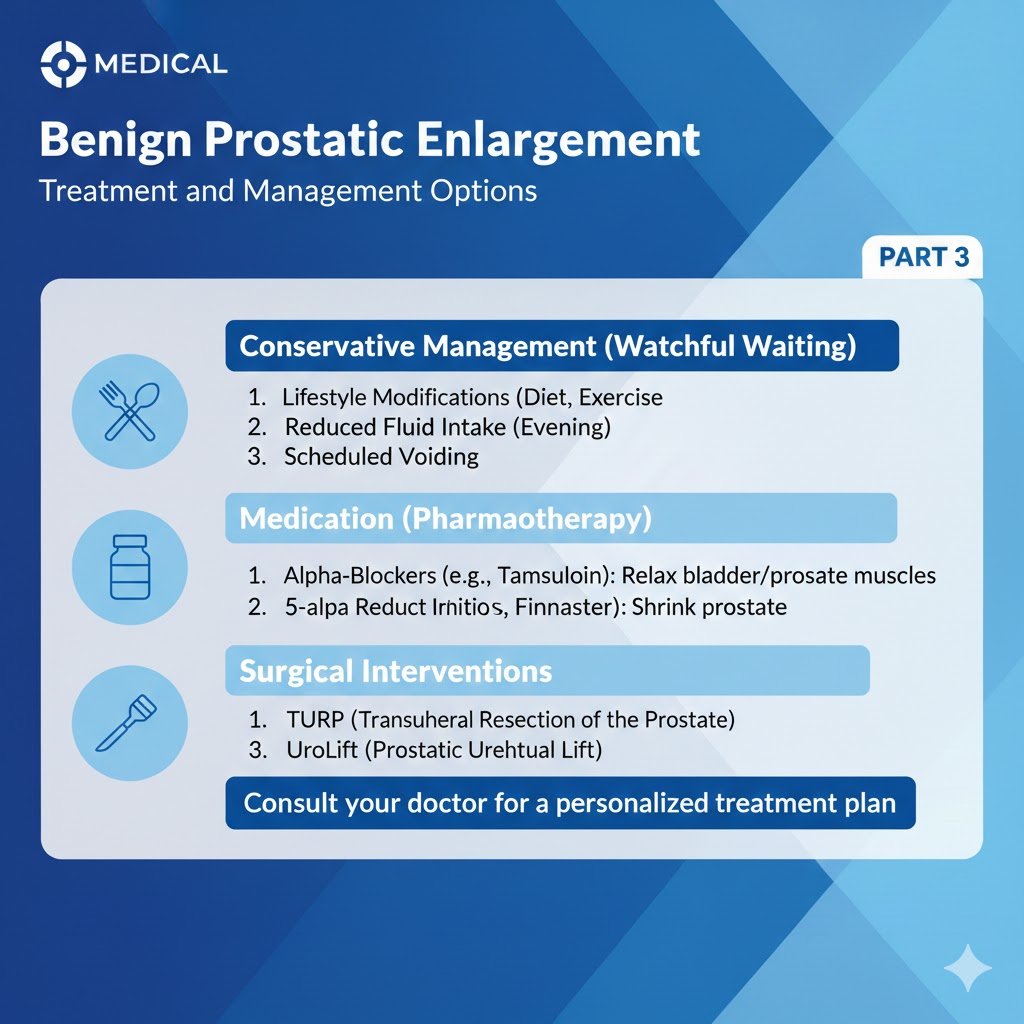
Benign Prostatic Enlargement Surgical Therapy PART 3 Comprehensive Review Article Prof. Dr. Semir. A. Salim. Al Samarrai The Surgical treatment is one of the cornerstones of LUTS/BPO management. Based on its ubiquitous availability, as well as its efficacy, Monopolar-TURP has long been considered as the reference technique for the surgical management of LUTS/BPO. However, in recent years various techniques have been developed with the aim of providing a safe and effective alternative to Monopolar-TURP. The transurethral resection of the prostate (TURP) is performed using two techniques: monopolar TURP (M-TURP) and bipolar TURP (B-TURP). Monopolar transurethral resection of the prostate removes tissue from the transition zone of the gland. Bipolar TURP addresses a major limitation of M-TURP by allowing performance in normal saline. Prostatic tissue removal is identical to M-TURP. Contrary to M-TURP, in B-TURP systems, the energy does not travel through the body to reach a skin pad. Bipolar circuitry is completed locally; energy is confined between an active (resection loop) and a passive pole situated on the resectoscope tip (“true” bipolar systems) or the sheath (“quasi” bipolar systems). The various bipolar devices available differ in the way in which current flow is delivered [1,2]. Monopolar-TURP is an effective treatment for moderate-to-severe LUTS secondary to BPO. The choice should be based primarily on prostate volume (30-80 mL suitable for M-TURP). No studies on the optimal cut-off value exist, but the complication rates increase with prostate size [3]. The upper limit for M-TURP is suggested as 80 mL (based on the European Association of Urology Guidelines 2022 consensus, under the assumption that this limit depends on the surgeon’s experience, choice of resectoscope size and resection speed), as surgical duration increases, there is a significant increase in the rate of complications and the procedure is safest when performed in under 90 minutes [4]. Bipolar TURP in patients with moderate-to-severe LUTS secondary to BPO, has similar efficacy with M-TURP, but lower peri-operative morbidity. The duration of improvements with B-TURP were documented in a number of RCTs with mid-term follow-up. Long-term results (up to five years) for B-TURP showed that safety and efficacy are comparable to M-TURP [5-13]. The choice of B-TURP should be based on equipment availability, surgeon’s experience, and patient’s preference. The holmium laser enucleation of the prostate does not play a role in contemporary treatment algorithms, because there were no relevant publications on holmium laser resection of the prostate (HoLRP) have been published since 2004, HoLRP of the prostate. The thulium-aluminum-garnet laser (Tm:YAG) vaporization of the prostate has wavelength between 1,940 and 2,013 nm and is emitted in continuous wave mode. The laser is primarily used in front-fire applications [14]. Different applications such as vaporesection (ThuVARP) have been published [15]. As a limited number of RCTs with mid- to long-term follow-up support the efficacy of ThuVARP, there is a need for ongoing investigation of the technique. The transurethral incision of the prostate (TUIP) involves incising the bladder outlet without tissue removal. Transurethral incision of the prostate is conventionally performed with Collins knife using monopolar electrocautery; however, alternative energy sources such as holmium laser may be used [16]. This technique may replace M-TURP in selected cases, especially in prostate sizes < 30 mL without a middle lobe. The transurethral incision of the prostate is an effective treatment for moderate-to-severe LUTS secondary to BPO. The choice between M-TURP and TUIP should be based primarily on prostate volume (< 30 mL TUIP) [17]. The open prostatectomy is the oldest surgical treatment for moderate-to-severe LUTS secondary to BPO. Obstructive adenomas are enucleated using the index finger, approaching from within the bladder (Freyer procedure) or through the anterior prostatic capsule (Millin procedure). It is used for substantially enlarged glands (> 80-100 mL). The open prostatectomy is the most invasive surgical method, but it is an effective and durable procedure for the treatment of LUTS/BPO. In the absence of an endourological armamentarium including a holmium laser or a bipolar system and with appropriate patient consent, OP is a reasonable surgical treatment of choice for men with prostates > 80 mL. The bipolar transurethral enucleation of the prostate is a technology to enucleated the obstructive adenoma endoscopically by the transurethral approach. Bipolar-transurethral enucleation of the prostate (B-TUEP) evolved from plasma kinetic (PK) B-TURP and was introduced by Gyrus ACMI. The technique, also referred to as PK enucleation of the prostate (PKEP), utilises a bipolar high-frequency generator and a variety of detaching instruments, for this true bipolar system, including a point source in the form of a axipolar cystoscope electrode suitable for enucleation [18] or a resectoscope tip/resection loop [19, 20]. More recently, a novel form of B-TUEP has been described, bipolar plasma enucleation of the prostate (BPEP), stemming from B-TURP (TURis, Olympus Medical), that utilises a bipolar high frequency generator and a variety of detaching instruments including a mushroom- or button-like vapo-electrode [21,22] and a Plasmasect enucleation electrode [23] for this quasi-bipolar system. Bipolar transurethral enucleation of the prostate is followed by either morcellation [21,18] or resection [19-22, 24-26] of the enucleated adenoma. The holmium:yttrium-aluminium garnet (Ho:YAG) laser (wavelength 2,140 nm) is a pulsed solid-state laser that is absorbed by water and water-containing tissues. Tissue coagulation and necrosis are limited to 3-4 mm, which is enough to obtain adequate haemostasis [27]. Holmium laser enucleation of the prostate requires experience and relevant endoscopic skills. The experience of the surgeon is the most important factor affecting the overall occurrence of complications [28, 29]. Enucleation using the Tm:YAG laser includes ThuVEP (vapoenucleation i.e. excising technique) and ThuLEP (blunt enucleation). ThuLEP seems to offer similar efficacy and safety when compared to TURP, bipolar enucleation and HoLEP; whereas, ThuVEP is not supported by RCTs. Based on the limited number of RCTs there is a need for ongoing investigation of these techniques. The term minimal invasive simple prostatectomy (MISP) includes laparoscopic simple prostatectomy (LSP) and robot-assisted simple prostatectomy (RASP). The technique for LSP was first described in 2002 [30], while the first RASP was reported in 2008 [31]. Both LSP and RASP are

Benign Prostatic Enlargement قراءة المزيد »

Benign Prostatic Enlargement Aetiology and Diagnostic Evaluation PART 2

Benign Prostatic Enlargement

Benign Prostatic Enlargement Pharmacological treatment, plant Extracts-phytotherapy PART 2 Comprehensive Review Article Prof. Dr. Semir. A. Salim. Al Samarrai As conservative treatment, the watchful waiting strategy (WWS) is a viable option for benign prostatic enlargement disease management. Many men with LUTS are not troubled enough by their symptoms to need drug treatment or surgical intervention. All men with LUTS should be formally assessed prior to any allocation of treatment in order to establish symptom severity and to differentiate between men with uncomplicated (the majority) and complicated LUTS. Watchful waiting strategy (WWS) is a viable option for many men with non-bothersome LUTS as few will progress to AUR and complications (e.g. renal insufficiency or stones) [1,2], whilst others can remain stable for years [3]. In one study, approximately 85% of men with mild LUTS were stable on Watchful waiting strategy (WWS) at one year [4]. A study comparing Watchful waiting strategy (WWS) and transurethral resection of the prostate (TURP) in men with moderate LUTS showed the surgical group had improved bladder function (flow rates and PVR volumes), especially in those with high levels of bother; 36% of Watchful waiting strategy (WWS) patients crossed over to surgery within five years, leaving 64% doing well in the Watchful waiting strategy (WWS) group [5,6]. Increasing symptom bother and PVR volumes are the strongest predictors of Watchful waiting strategy (WWS) failure. Men with mild-to-moderate uncomplicated LUTS who are not too troubled by their symptoms are suitable for Watchful waiting strategy (WWS). The behavioral and dietary modification for benign prostatic enlargement disease management is customary for this type of management to include the following components: • education (about the patient’s condition); • reassurance (that cancer is not a cause of the urinary symptoms); • periodic monitoring; • lifestyle advice [3,4,7,8] such as: reduction of fluid intake at specific times aimed at reducing urinary frequency when most inconvenient (e.g., at night or when going out in public); avoidance/moderation of intake of caffeine or alcohol, which may have a diuretic and irritant effect, thereby increasing fluid output and enhancing frequency, urgency and nocturia; use of relaxed and double-voiding techniques; urethral milking to prevent post-micturition dribble; distraction techniques such as penile squeeze, breathing exercises, perineal pressure, and mental tricks to take the mind off the bladder and toilet, to help control OAB symptoms; bladder retraining that encourages men to hold on when they have urgency to increase their bladder capacity and the time between voids; reviewing the medication and optimising the time of administration or substituting drugs for others that have fewer urinary effects (these recommendations apply especially to diuretics); providing necessary assistance when there is impairment of dexterity, mobility, or mental state; treatment of constipation. Evidence exists that self-management as part of Watchful waiting strategy (WWS) reduces both symptoms and progression [7,8]. Men randomised to three self-care management sessions in addition to standard care had better symptom improvement and QoL than men treated with standard care only, for up to a year [7]. A SR and meta-analysis found reasonable certainty in estimates that self-management intervention significantly reduced symptom severity in terms of IPSS at six months compared with usual care [9]. The reduction in IPSS score with self-management was similar to that achieved with drug therapy at six to twelve weeks. Self-management had a smaller, additional benefit at six weeks when added to drug therapy [9]. The Plant Extracts- phytotherapy with herbal medicinal products and their drug preparations are made of roots, seeds, pollen, bark, or fruits. There are single plant preparations (mono-preparations) and preparations combining two or more plants in one pill (combination preparations) [10]. Possible relevant compounds include phytosterols, ß-sitosterol, fatty acids, and lectins [10]. In vitro, plant extracts can have anti-inflammatory, anti-androgenic and oestrogenic effects; decrease sexual hormone binding globulin; inhibit aromatase, lipoxygenase, growth factor-stimulated proliferation of prostatic cells, α-adrenoceptors, 5 α-reductase, muscarinic cholinoceptors, dihydropyridine receptors and vanilloid receptors; and neutralise free radicals [10-12]. The in vivo effects of these compounds are uncertain, and the precise mechanisms of plant extracts remain unclear. The extracts of the same plant produced by different companies do not necessarily have the same biological or clinical effects; therefore, the effects of one brand cannot be extrapolated to others [13]. In addition, batches from the same producer may contain different concentrations of active ingredients [14]. A review of recent extraction techniques and their impact on the composition/biological activity of available Serenoa repens based products showed that results from different clinical trials must be compared strictly according to the same validated extraction technique and/or content of active compounds [15], as the pharmacokinetic properties of the different preparations can vary significantly. Heterogeneity and a limited regulatory framework characterise the current status of phytotherapeutic agents. The European Medicines Agency (EMA) has developed the Committee on Herbal Medicinal Products (HMPC). European Union (EU) herbal monographs contain the HMPC’s scientific opinion on safety and efficacy data about herbal substances and their preparations intended for medicinal use. The HMPC evaluates all available information, including non-clinical and clinical data, whilst also documenting long-standing use and experience in the EU. European Union monographs are divided into two sections: a) Well established use (marketing authorisation): when an active ingredient of a medicine has been used for more than ten years and its efficacy and safety have been well established (including a review of the relevant literature); and b) Traditional use (simplified registration): for herbal medicinal products which do not fulfil the requirements for a marketing authorisation, but there is sufficient safety data and plausible efficacy on the basis of long-standing use and experience. Table 1 lists the available EU monographs for herbal medicinal products and the current calls for update. Table 1: European Union monographs for herbal medicinal products Only hexane extracted Serenoa repens (HESr) has been recommended for wellestablished use by the HMPC. Based on this a detailed scoping search covering the timeframe between the search cut-off date of the EU monograph and May 2021 was conducted for HESr. A large meta-analysis of 30 RCTs with 5,222 men

Benign Prostatic Enlargement قراءة المزيد »

Benign Prostatic Enlargement

Benign Prostatic Enlargement part 1

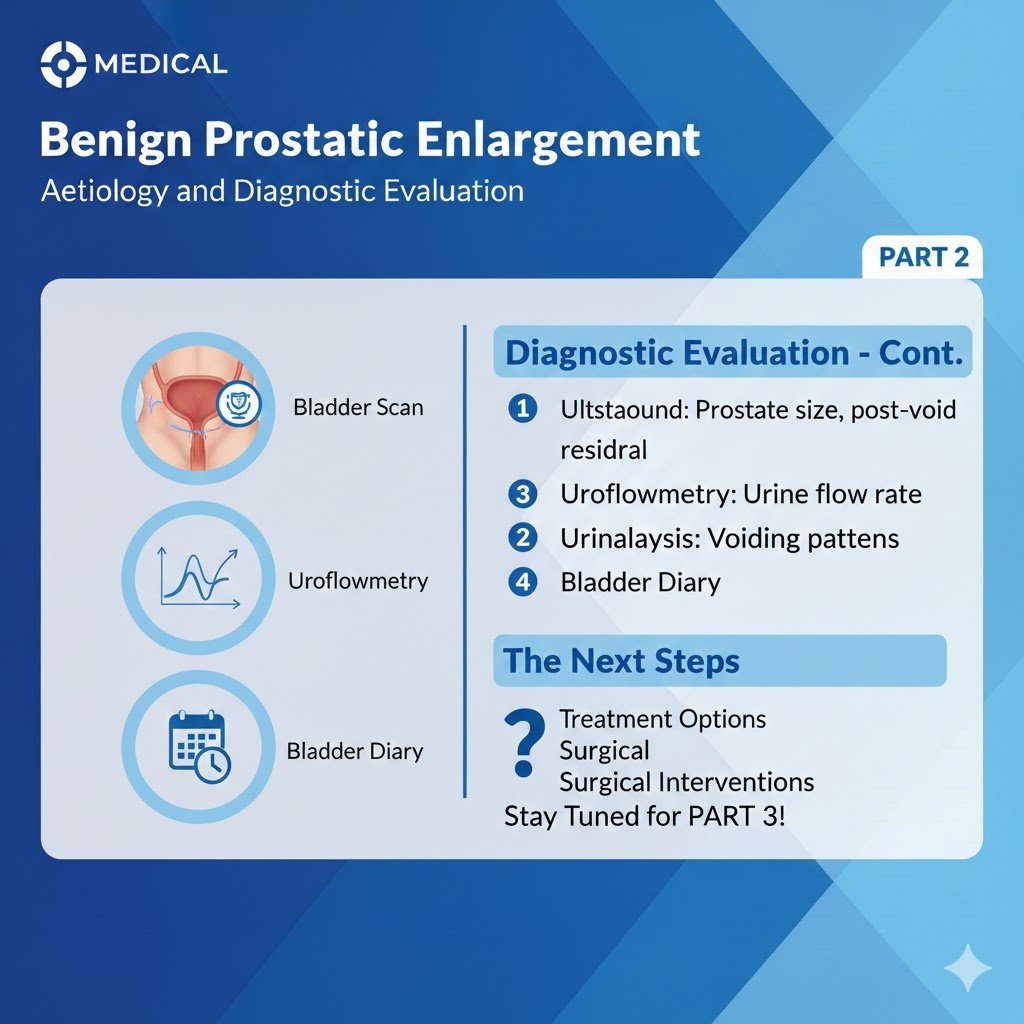
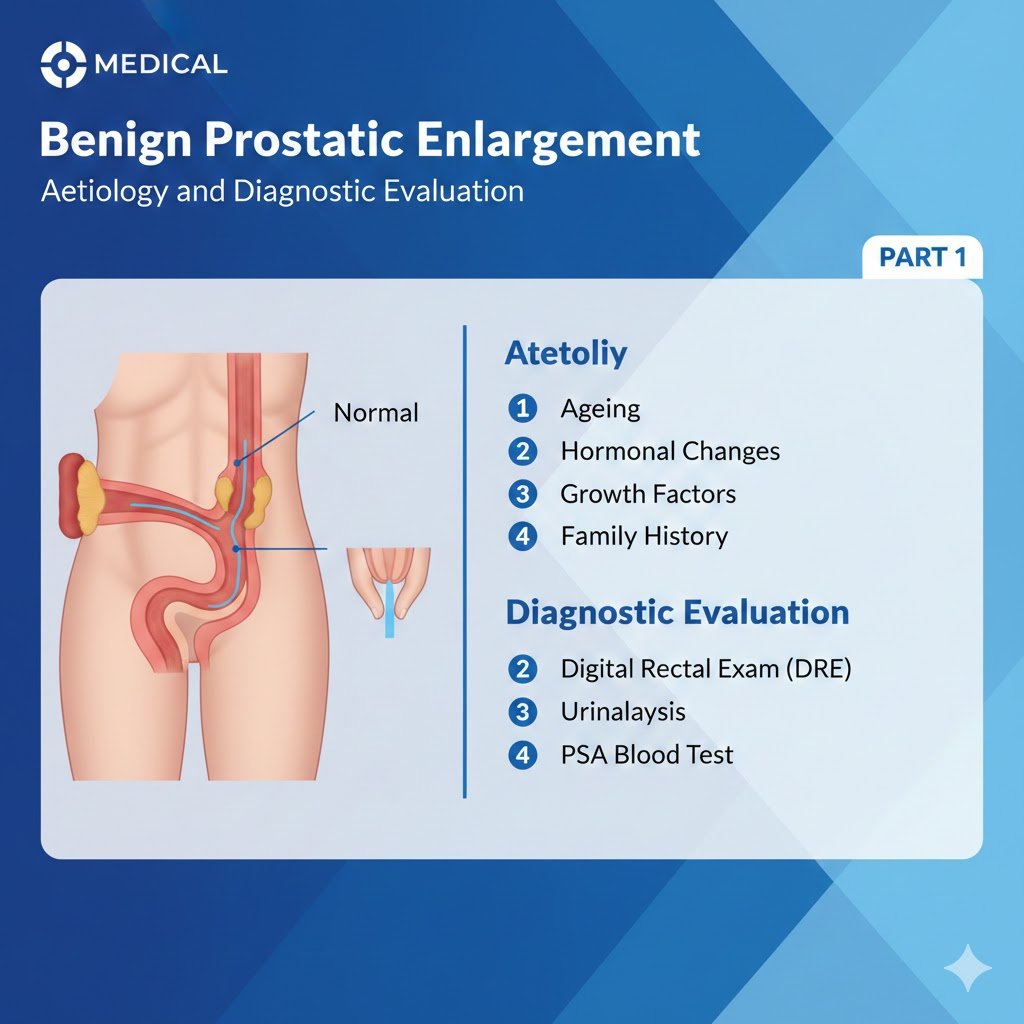
Benign Prostatic Enlargement Aetiology and Diagnostic Evaluation PART 1 Comprehensive Review Article Prof. Dr. Semir. A. Salim. Al Samarrai Lower urinary tract symptoms can be divided into storage, voiding and post-micturition symptoms [1], they are prevalent, cause bother and impair QoL [2-5]. An increasing awareness of LUTS and storage symptoms in particular, is warranted to discuss management options that could increase QoL [6]. Lower urinary tract symptoms are strongly associated with ageing [2,3], associated costs and burden are therefore likely to increase with future demographic changes [3,7]. Lower urinary tract symptoms are also associated with a number of modifiable risk factors, suggesting potential targets for prevention (e.g. metabolic syndrome) [8]. In addition, men with moderate-to-severe LUTS may have an increased risk of major adverse cardiac events [9]. Most elderly men have at least one LUTS [3]; however, symptoms are often mild or not very bothersome [5, 6, 10]. Lower urinary tract symptoms can progress dynamically: for some individuals LUTS persist and progress over long time periods, and for others they remit [3]. Lower urinary tract symptoms have traditionally been related to bladder outlet obstruction (BOO), most frequently when histological BPH progresses through benign prostatic enlargement (BPE) to BPO [1,4]. However, increasing numbers of studies have shown that LUTS are often unrelated to the prostate [3, 11]. Bladder dysfunction may also cause LUTS, including detrusor overactivity/OAB, detrusor underactivity (DU)/underactive bladder (UAB), as well as other structural or functional abnormalities of the urinary tract and its surrounding tissues [11]. Prostatic inflammation also appears to play a role in BPH pathogenesis and progression [12, 13]. In addition, many non-urological conditions also contribute to urinary symptoms, especially nocturia [3]. The definitions of the most common conditions related to male LUTS are: • Acute retention of urine is defined as a painful, palpable or percussible bladder, when the patient is unable to pass any urine [1]. • Chronic retention of urine is defined as a non-painful bladder, which remains palpable or percussible after the patient has passed urine. Such patients may be incontinent [1]. • Bladder outlet obstruction is the generic term for obstruction during voiding and is characterised by increasing detrusor pressure and reduced urine flow rate. It is usually diagnosed by studying the synchronous values of flow-rate and detrusor pressure [1]. • Benign prostatic obstruction is a form of BOO and may be diagnosed when the cause of outlet obstruction is known to be BPE [1]. In the Guidelines the term BPO or BOO is used as reported by the original studies. • Benign prostatic hyperplasia is a term used (and reserved) for the typical histological pattern, which defines the disease. • Detrusor overactivity is a urodynamic observation characterised by involuntary detrusor contractions during the filling phase which may be spontaneous or provoked [1]. Detrusor overactivity is usually associated with OAB syndrome characterised by urinary urgency, with or without urgency urinary incontinence (UUI), usually with increased daytime frequency and nocturia, if there is no proven infection or other obvious pathology [14]. • Detrusor underactivity during voiding is characterised by decreased detrusor voiding pressure leading to a reduced urine flow rate. Detrusor underactivity causes OAB syndrome which is characterised by voiding symptoms similar to those caused by BPO [15]. The importance of assessing the patient’s history is well recognised [16–18]. A medical history aims to identify the potential causes and relevant comorbidities, including medical and neurological diseases. In addition, current medication, lifestyle habits, emotional and psychological factors must be reviewed. The Panel recognises the need to discuss LUTS and the therapeutic pathway from the patient’s perspective. This includes reassuring the patient that there is no definite link between LUTS and prostate cancer (PCa) [19,20 ]. As part of the urological/surgical history, a self-completed validated symptom questionnaire should be obtained to objectify and quantify LUTS. Bladder diaries or frequency volume charts (FVC) are particularly beneficial when assessing patients with nocturia and/or storage symptoms. Sexual function should also be assessed, preferably with validated symptom questionnaires such as the International Index of Erectile Function (IIEF) [21]. The IPSS is an eight-item questionnaire, consisting of seven symptom questions and one QoL question [22]. The IPSS score is categorised as ‘asymptomatic’ (0 points), ‘mildly symptomatic’ (1-7 points), ‘moderately symptomatic’ (8-19 points), and ‘severely symptomatic’ (20-35 points). Limitations include lack of assessment of incontinence, post-micturition symptoms, and bother caused by each separate symptom. The ICIQ-MLUTS was created from the International Continence Society (ICS) male questionnaire. It is a widely used and validated patient completed questionnaire including incontinence questions and bother for each symptom [23]. It contains thirteen items, with subscales for nocturia and OAB, and is available in seventeen languages. Physical examination particularly focusing on the suprapubic area, the external genitalia, the perineum, and lower limbs should be performed. Urethral discharge, meatal stenosis, phimosis, and penile cancer must be excluded. Digital-rectal examination (DRE) is the simplest way to assess prostate volume, but the correlation to prostate volume is poor. Quality-control procedures for DRE have been described [24]. Transrectal ultrasound (TRUS) is more accurate in determining prostate volume than DRE. Underestimation of prostate volume by DRE increases with increasing TRUS volume, particularly where the volume is > 30 mL [25]. A model of visual aids has been developed to help urologists estimate prostate volume more accurately [26]. One study concluded that DRE was sufficient to discriminate between prostate volumes > or < 50 mL [27]. Urinalysis (dipstick or sediment) must be included in the primary evaluation of any patient presenting with LUTS to identify conditions, such as urinary tract infections (UTI), microhaematuria and diabetes mellitus. If abnormal findings are detected further tests are recommended according to other EAU Guidelines, e.g., Guidelines on urinary tract cancers and urological infections [28-31]. Urinalysis is recommended in most Guidelines in the primary management of patients with LUTS [32, 33]. There is limited evidence, but general expert consensus suggests that the benefits outweigh the costs [34]. The value of urinary dipstick/microscopy for diagnosing UTI in men with LUTS without acute frequency and dysuria has been

Benign Prostatic Enlargement part 1 قراءة المزيد »

MALE HYPOGONADISM

MALE HYPOGONADISM

MALE HYPOGONADISM Epidemiology and prevalence of male hypogonadism Male hypogonadism is associated with decreased testicular function, with decreased production of androgens and/or impaired sperm production [1]. This is caused by poor testicular function or as a result of inadequate stimulation of the testes by the hypothalamic-pituitary axis. Several congenital or acquired disorders causing impaired action of androgens are also described [1]. Hypogonadism may adversely affect multiple organ functions and quality of life (QoL) [2]. Late-onset hypogonadism (LOH) is a clinical condition in ageing men, which, by definition, must comprise both persistent specific symptoms and biochemical evidence of testosterone deficiency [1,3]. Late-onset hypogonadism is frequently diagnosed in the absence of an identifiable classical cause of hypogonadism, which becomes more prevalent with age, usually occurring, but not exclusively, in men aged > 40 years. Male hypogonadism has also been called Testosterone Deficiency. The EAU Guidelines 2022 Panel has agreed to use the term Male Hypogonadism, which may better reflect and explain the underlying pathophysiology. Likewise, the Panel has further agreed to continue with the term testosterone therapy. The present Guidelines specifically address the management of adult male hypogonadism also called LOH. Some insights related to congenital or pre-pubertal hypogonadism are also provided and summarised. The prevalence of hypogonadism increases with age and the major causes are central obesity, other co-morbidities (e.g., diabetes) and overall poor health [4]. In healthy ageing men, there is only a small gradual decline in testosterone; up to the age of 80 years, aging accounts for a low percentage of hypogonadism [4]. In men aged 40-79 years, the incidence of symptomatic hypogonadism varies between 2.1-5.7% [5–7]. The incidence of hypogonadism has been reported to be 12.3 and 11.7 cases per 1,000 people per year [5,8]. There is a high prevalence of hypogonadism within specific populations, including patients with type 2 diabetes (T2DM), metabolic syndrome (MetS), obesity, cardiovascular disease (CVD), chronic obstructive pulmonary disease, renal disease and cancer [7]. Low testosterone levels are common in men with T2DM [9] and a high prevalence of hypogonadism (42%) has been reported in T2DM patients [10]. Klinefelter syndrome, a trisomy associated with a 47,XXY karyotype, is the most prevalent genetic cause of primary hypogonadism (hypergonadotropic hypogonadism), with a global prevalence of 1/500-1,000 live male births [11-13]. However, < 50% of individuals with Klinefelter syndrome are diagnosed in their lifetime [14]. Body Composition and Metabolic Profile Low testosterone levels are common in men with obesity. Male hypogonadism is associated with a greater percentage of fat mass and a lesser lean mass compared to men with adequate testosterone levels [15]. There is much evidence that a low testosterone level is strongly associated with increased visceral adiposity, but it also leads to lipid deposition in the liver and muscle and is associated with atherosclerosis [15]. In vitro studies have suggested that hypogonadism impairs glucose and triglyceride uptake into subcutaneous fat depots [15]. This enhances the uptake of glucose and triglycerides into ectopic fat depots. Testosterone therapy has been associated with a reduced percentage of body fat and increase of lean body mass [16]. Data from a registry study have suggested that over a period of 11 years, testosterone therapy with long-acting intramuscular testosterone undecanoate was associated with a substantial but gradual loss of weight, along with a reduction in waist circumference [17]. Testosterone also reduces liver fat content and muscle fat storage [15]. Metabolic Syndrome/Type 2 Diabetes Metabolic Syndrome (MetS) is characterised by several specific components, including increased waist circumference, dyslipidaemia, hypertension, and impaired glucose tolerance. Hypogonadism is associated with central obesity, hyperglycaemia, insulin resistance and dyslipidaemia [low high-density lipoprotein (HDL)] cholesterol, raised total and low-density lipoprotein (LDL) cholesterol and triglycerides], hypertension and predisposition to T2DM, which are all components of MetS [18]. Several randomised controlled trials (RCTs) have shown that testosterone therapy might improve insulin resistance and hyperglycaemia and lower cholesterol and LDL-cholesterol [19–23]. Testosterone therapy in hypogonadal T2DM improved glycaemic control in some RCTs and registry trials; however, there is no conclusive evidence from RCTs and meta-analyses [20,24,25]. A recent large placebo-controlled RCT, including 1,007 patients with impaired glucose tolerance or newly-diagnosed T2DM and total testosterone < 14 nmol/L, showed that testosterone therapy for 2 years reduced the proportion of patients with T2DM regardless of a lifestyle programme [26]. Similarly, a previously published registry study reported that testosterone therapy was associated in time with remission of T2DM [24]. HDL-cholesterol may decrease, remain unchanged or increase with testosterone therapy. Testosterone therapy in men with MetS and low testosterone has been shown to reduce mortality compared to that in untreated men [27,28], although no conclusive evidence is available. Erectile dysfunction (ED) is common in men with MetS and T2DM (up to 70% of patients). The causes of ED are multi-factorial and 30% of men with ED have co-existing testosterone-deficiency hypogonadism. Some evidence has suggested that for patients with T2DM this is only found in men with clearly reduced testosterone levels (< 8 nmol/L or 2.31 ng/mL) [29]. From a pathophysiological point of view, it has been reported that this is because ED is predominantly caused by vascular and neuropathic disease, and therefore not likely in men who do not have established vascular disease. Therefore, men presenting with ED should be screened for MetS. Likewise, patients with ED and diabetes may be offered testosterone measurement. Placebo-controlled RCTs of testosterone therapy in T2DM have demonstrated improved sexual desire and satisfaction, but not erectile function [20,29]. The presence of multiple comorbidity in this group of patients may confound the response to testosterone therapy alone. In a long-term registry study in men with T2DM, parenteral testosterone undecanoate therapy led to one third of patients entering remission from diabetes during 11 years’ follow-up [30]. A large 2-year RCT of testosterone undecanoate vs. placebo showed that testosterone therapy significantly decreased progression of 999 men with low testosterone (< 14 nmol/L) from pre-diabetes to overt T2DM [26]. Physiology of testosterone production The pituitary gland regulates testicular activity through secretion of luteinising hormone (LH), which regulates testosterone production in Leydig cells and

MALE HYPOGONADISM قراءة المزيد »

EPIDEMIOLOGY AND PREVALENCE OF SEXUAL DYSFUNCTION AND DISORDERS

EPIDEMIOLOGY AND PREVALENCE OF SEXUAL DYSFUNCTION AND DISORDERS OF MALE REPRODUCTIVE HEALTH Prof. Dr. Semir. A. Salim. Al Samarrai Erectile dysfunction: Epidemiological data have shown a high prevalence and incidence of ED worldwide [1]. Among others, the Massachusetts Male Aging Study (MMAS) [2] reported an overall prevalence of 52% ED in non-institutionalized men aged 40-70 years in the Boston area; specific prevalence for minimal, moderate, and complete ED was 17.2%, 25.2%, and 9.6%, respectively. In the Cologne study of men aged 30-80 years, the prevalence of ED was 19.2%, with a steep age-related increase from 2.3% to 53.4% [3]. The incidence rate of ED (new cases per 1,000 men annually) was 26 in the long-term data from the MMAS study [4] and 19.2 (mean follow-up of 4.2 years) in a Dutch study [5]. In a cross-sectional real-life study among men seeking first medical help for new-onset ED, one in four patients was younger than 40 years, with almost 50% of the young men complaining of severe ED [6]. Differences among these studies can be explained by differences in methodology, ages, and socio-economic and cultural status of the populations studied. Premature ejaculation: The method of recruitment for study participation, method of data collection and operational criteria can all greatly affect reported prevalence rates of premature ejaculation (PE). The major problem in assessing the prevalence of PE was the lack of a universally recognised definition at the time the surveys were conducted [7]. Vague definitions without specific operational criteria, different manners of sampling, and non-standardized data acquisition have led to heterogeneity in estimated prevalence [7–11]. The highest prevalence rate of 31% (men aged 18-59 years) was found by the National Health and Social Life Survey (NHSLS), which determines adult sexual behaviour in the USA [12]. Prevalence rates were 30% (18-29 years), 32% (30-39 years), 28% (40-49 years) and 55% (50-59 years). It is, however, unlikely that the PE prevalence is as high as 20-30% based on the relatively low number of men who seek medical help for PE. These high prevalence rates may be a result of the dichotomous scale (yes/no) in a single question asking if ejaculation occurred too early, as the prevalence rates in European studies have been significantly lower [13]. Two separate observational, cross-sectional surveys from different continents found that overall prevalence of PE was 19.8 and 25.8%, respectively [14,15]. Further stratifying these complaints into the classifications defined by Waldinger et al. [16], rates of lifelong PE were 2.3 and 3.18%, acquired PE 3.9 and 4.48%, variable PE 8.5 and 11.38% and subjective PE 5.1 and 6.4% [14,15]. Both studies showed that men with acquired PE were more likely to seek treatment compared to men with lifelong PE. Treatment-seeking behaviour may have contributed to errors in the previously reported rates of PE, as it is possible that men with lifelong PE came to terms with their problem and did not seek treatment. The additional psychological burden of a new change in ejaculatory latency in acquired PE may have prompted more frequent treatment seeking [17]. Thus, it is likely that there is disparity between the incidence of the various PE sub-types in the general community and in men actively seeking treatment for PE [18,19]. This disparity could be a further barrier to understanding the true incidence of each sub-type of PE. An approximately 5% prevalence of acquired PE and lifelong PE in the general population is consistent with epidemiological data indicating that around 5% of the population have an ejaculation latency of < 2 minutes [20]. Other ejaculatory disorders: Delayed ejaculation Due to its rarity and uncertain definitions, the epidemiology of delayed ejaculation (DE) is not clear [21]. However, several well-designed epidemiological studies have revealed that its prevalence is around 3% among sexually active men [12,22]. According to data from the NHSLS, 7.78% of a national probability sample of 1,246 men aged 18-59 years reported inability achieving climax or ejaculation [12]. In a similar stratified national probability sample survey completed over 6 months among 11,161 men and women aged 16-44 years in Britain, 0.7% of men reported inability to reach orgasm [23]. In an international survey of sexual problems among 13,618 men aged 40–80 years from 29 countries, 1.1-2.8% of men reported that they frequently experience inability to reach orgasm [24]. Another study conducted in the United States (USA), in a national probability sample of 1,455 men aged 57-85 years, 20% of men reported inability to climax and 73% reported that they were bothered by this problem [25]. Considering the findings of these epidemiological studies and their clinical experiences, some urologists and sex therapists have postulated that the prevalence of DE may be higher among older men [26-28]. Similar to the general population, the prevalence of men with DE is low among patients who seek treatment for their sexual problems. An Indian study that evaluated the data on 1,000 consecutive patients with sexual disorders who attended a psychosexual clinic demonstrated that the prevalence of DE was 0.6% and it was more frequent in elderly people with diabetes [29]. Nazareth et al. [30] evaluated the prevalence of International Classification of Diseases 10th edition (ICD-10) diagnosed sexual dysfunctions among 447 men attending 13 general practices in London, UK and found that 2.5% of the men reported inhibited orgasm during intercourse. Similar to PE, there are distinctions among lifelong, acquired and situational DE [31]. Although the evidence is limited, the prevalence of lifelong and acquired DE is estimated at 1 and 4%, respectively [32]. Anejaculation and Anorgasmia Establishing the exact prevalence of anejaculation and anorgasmia is difficult since many men cannot distinguish between ejaculation and orgasm. The rarity of these clinical conditions further hampers the attempts to conduct epidemiological studies. In a report from the USA, 8% of men reported unsuccessfully achieving orgasm during the past year [12]. According to Kinsey et al. [33], 0.14% of the general population have anejaculation. The most common causes of anejaculation were spinal cord injury, diabetes mellitus and multiple sclerosis. Especially in most cases of spinal

EPIDEMIOLOGY AND PREVALENCE OF SEXUAL DYSFUNCTION AND DISORDERS قراءة المزيد »

Scroll to Top