أفضل مركز مسالك بولية دبي

Prostate Cancer Epidemiology and Aetiology Comprehensive Review Article Part 1

Prostate Cancer

Prostate Cancer Epidemiology and Aetiology Comprehensive Review Article Part 1 Prof. Dr. Semir. A. Salim. Al Samarrai Prostate cancer is the second most commonly diagnosed cancer in men, with an estimated 1.4 million diagnoses worldwide in 2020 [1,2]. The frequency of autopsy-detected PCa is roughly the same worldwide [3]. A systematic review of autopsy studies reported a prevalence of PCa at age < 30 years of 5% (95% confidence interval [CI]: 3–8%), increasing by an odds ratio (OR) of 1.7 (1.6–1.8) per decade, to a prevalence of 59% (48–71%) by age > 79 years [4]. The incidence of PCa diagnosis varies widely between different geographical areas, being highest in Australia/New Zealand and Northern America (age-standardised rates [ASR] per 100,000 of 111.6 and 97.2, respectively), and in Western and Northern Europe (ASRs of 94.9 and 85, respectively), largely due to the use of prostate-specific antigen (PSA) testing and the aging population. The incidence is low in Eastern and South-Central Asia (ASRs of 10.5 and 4.5, respectively), but rising [5]. Rates in Eastern and Southern Europe were low but have also shown a steady increase [2,3]. Incidence and disease stage distribution patterns follow biological-, genetic-, and/or lifestyle factors [6]. There is relatively less variation in mortality rates worldwide, although rates are generally high in populations of African descent (Caribbean: ASR of 29 and Sub-Saharan Africa: ASRs ranging between 19 and 14), intermediate in the USA and very low in Asia (South-Central Asia: ASR of 2.9) [2]. Family history and ethnic background are associated with an increased PCa incidence suggesting a genetic predisposition [7,8]. Only a small subpopulation of men with PCa have true hereditary disease. Hereditary PCa (HPCa) is associated with a six to seven year earlier disease onset but the disease aggressiveness and clinical course does not seem to differ in other ways [7,9]. In a large USA population database, HPCa (in 2.18% of participants) showed a relative risk (RR) of 2.30 for diagnosis of any PCa, 3.93 for early-onset PCa, 2.21 for lethal PCa, and 2.32 for clinically significant PCa (csPCa) [10]. These increased risks of HPCa were higher than for familial PCa (> 2 first- or second-degree relatives with PCa on the same side of the pedigree), or familial syndromes such as hereditary breast and ovarian cancer and Lynch syndrome. The probability of high-risk PCa at age 65 was 11.4% (vs. a population risk of 1.4%) in a Swedish population-based study [11]. The Identification of Men with a Genetic Predisposition to Prostate Cancer (IMPACT) study, which evaluated targeted PCa screening (annually, biopsy recommended if PSA > 3.0 ng/mL) using PSA in men aged 40–69 years with germline BRCA1/2 mutations found that after 3 years of screening, BRCA2 mutation carriers were associated with a higher incidence of PCa, a younger age of diagnosis, and more clinically significant tumours compared with non-carriers [12]. The influence of BRCA1 mutations on PCa remained unclear. No differences in age or tumour characteristics were detected between BRCA1 carriers and BRCA1 non-carriers. Limitations of the IMPACT study include the lack of magnetic resonance imaging (MRI) data and targeted biopsies as it was initiated before that era. A wide variety of exogenous/environmental factors have been discussed as being associated with the risk of developing PCa or as being aetiologically important for the progression from latent to clinical PCa [13]. Japanese men have a lower PCa risk compared to men from the Western world. However, as Japanese men move from Japan to California, their risk of PCa increases, approaching that of American men, implying a role of environmental or dietary factors [14]. However, currently there are no known effective preventative dietary or pharmacological interventions. The single components of metabolic syndrome (MetS), hypertension (p = 0.035) and waist circumference > 102 cm (p = 0.007), have been associated with a significantly greater risk of PCa. The association between metformin use and PCa is controversial. At population level, metformin users (but not other oral hypoglycaemic agents) were found to be at a decreased risk of PCa diagnosis compared with neverusers (adjusted OR: 0.84, 95% CI: 0.74–0.96) [15]. In 540 diabetic participants of the Reduction by Dutasteride of Prostate Cancer Events (REDUCE) study, metformin use was not significantly associated with PCa and therefore not advised as a preventive measure (OR: 1.19, p = 0.50) [16]. The ongoing Systemic Therapy in Advancing or Metastatic Prostate Cancer: Evaluation of Drug Efficacy (STAMPEDE) trial assesses metformin use in advanced PCa (Arm K) [17]. Figure 1. Risk Factors of Prostatic Cancer. A meta-analysis of 14 large prospective studies did not show any association between blood total cholesterol, high-density lipoprotein cholesterol, low-density lipoprotein cholesterol levels and the risk of either overall PCa or high-grade PCa [18]. Results from the REDUCE study also did not show a preventive effect of statins on PCa risk [19]. Within the REDUCE study, obesity was associated with lower risk of low-grade PCa in multivariable analyses (OR: 0.79, p = 0.01), but increased risk of high-grade PCa (OR: 1.28, p = 0.042) [20]. This effect seems mainly explained by environmental determinants of height/body mass index (BMI) rather than genetically elevated height or BMI [21]. The association between a wide variety of dietary factors and PCa have been studied, but there is paucity of quality of evidence (table 1). Table 1. Main dietary factors that Have been associated with PCa Although it seems that 5-ARIs have the potential of preventing or delaying the development of PCa (~25%, for ISUP grade 1 cancer only), this must be weighed against treatment-related side effects as well as the potential small increased risk of high-grade PCas, although these do not seem to impact PCa mortality [39–42]. None of the available 5-ARIs have been approved by the European Medicines Agency (EMA) for chemoprevention. Hypogonadal men receiving testosterone supplements do not have an increased risk of PCa [43]. A pooled analysis showed that men with very low concentrations of free testosterone (lowest 10%) have a belowaverage risk (OR: 0.77) of PCa [44]. A significantly higher rate of ISUP

Prostate Cancer قراءة المزيد »

Renal Cell Carcinoma PART3

Renal Cell Carcinoma

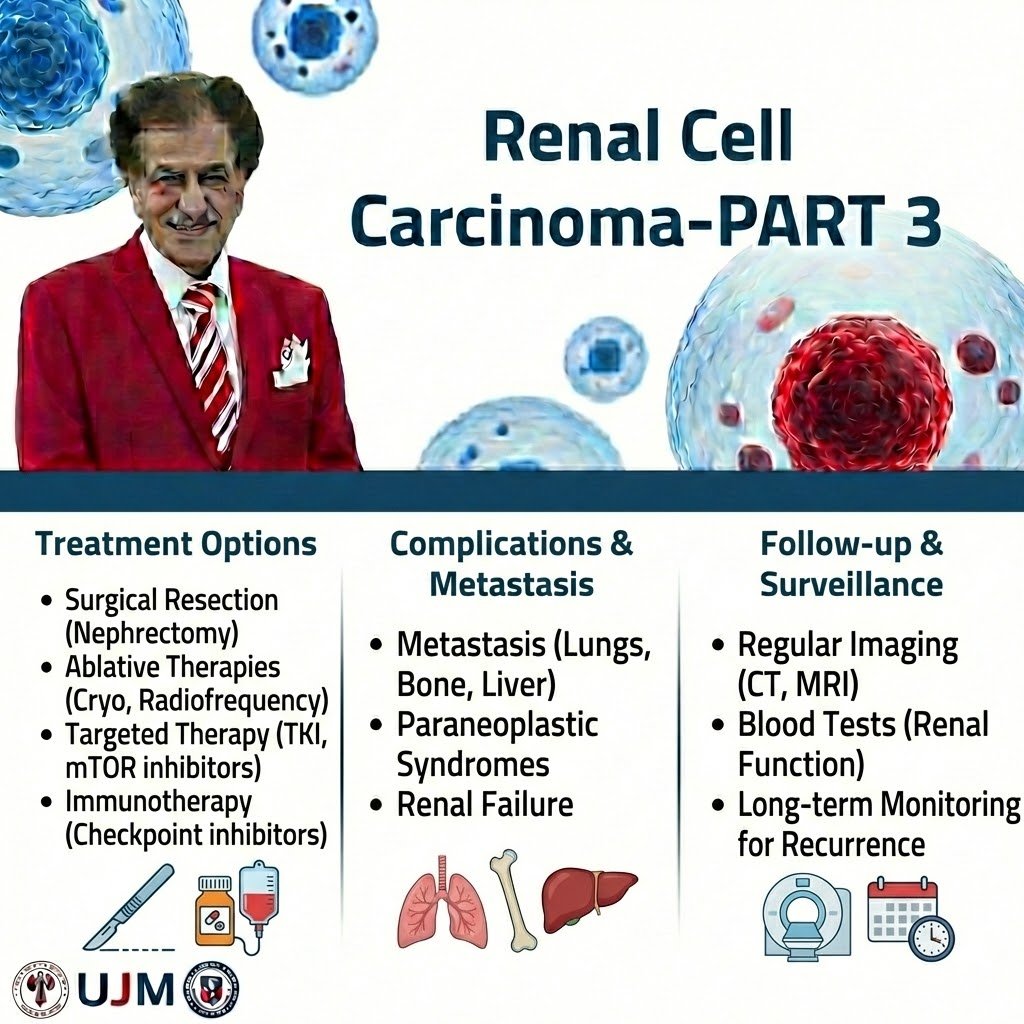
Renal Cell Carcinoma Part 3 Comprehensive Review Article Prof. Dr. Semir. A. Salim. Al Samarrai Advanced/metastatic RCC: Local therapy of advanced/metastatic RCC Cytoreductive nephrectomy Tumour resection is potentially curative only if all tumour deposits are excised. This includes patients with the primary tumour in place and single- or oligometastatic resectable disease. For most patients with metastatic disease, cytoreductive nephrectomy (CN) is palliative and systemic treatments are necessary. In a combined analysis of two RCTs comparing CN+ IFN-based immunotherapy vs. IFN-based immunotherapy only, increased long-term survival was found in patients treated with CN [1]. However, IFN-based immunotherapy is no longer relevant in contemporary clinical practice. In order to investigate the role and sequence of CN in the era of targeted therapy, a structured literature assessment was performed to identify relevant RCTs and systematic reviews published between July 1st – June 30th 2019. Two RCTs [2,3] and a narrative systematic review were identified [4]. The narrative systematic review included both RCTs and ten non-randomised studies. CARMENA, a phase III non-inferiority RCT investigating immediate CN followed by sunitinib vs. sunitinib alone, showed that sunitinib alone was not inferior to CN followed by sunitinib with regard to OS [5]. The trial included 450 patients with metastatic ccRCC of intermediate- and MSKCC poor-risk of whom 226 were randomised to immediate CN followed by sunitinib and 224 to sunitinib alone. Patients in both arms had a median of two metastatic sites. Patients in both arms had a tumour burden of a median/mean of 140 mL of measurable disease by Response Evaluation Criteria In Solid Tumours (RECIST) 1.1, of which 80 mL accounted for the primary tumour. The study did not reach the full accrual of 576 patients and the Independent Data Monitoring Commission (IDMC) advised the trial steering committee to close the study. In an ITT analysis after a median follow-up of 50.9 months, median OS with CN was 13.9 months vs. 18.4 months with sunitinib alone (HR: 0.89, 95% CI: 0.71–1.10). This was found in both risk groups. For MSKCC intermediate-risk patients (n = 256) median OS was 19.0 months with CN and 23.4 months with sunitinib alone (HR: 0.92, 95% CI: 0.60–1.24) and for MSKCC poor risk (n = 193) 10.2 months and 13.3 months, respectively (HR: 0.86, 95% CI: 0.62–1.17). Non-inferiority was also found in two per-protocol analyses accounting for patients in the CN arm who either did not undergo surgery (n = 16) or did not receive sunitinib (n = 40), and patients in the sunitinib-only arm who did not receive the study drug (n = 11). Median PFS in the ITT population was 7.2 months with CN and 8.3 months with sunitinib alone (HR: 0.82, 95% CI: 0.67–1.00). The clinical benefit rate, defined as disease control beyond twelve weeks was 36.6% with CN and 47.9% with sunitinib alone (p = 0.022). Of note, 38 patients in the sunitinib-only arm required secondary CN due to acute symptoms or for complete or near-complete response. The median time from randomisation to secondary CN was 11.1 months. The randomised EORTC SURTIME study revealed that the sequence of CN and sunitinib did not affect PFS (HR: 0.88, 95% CI: 0.59–1.37, p = 0.569). The trial accrued poorly and therefore results are mainly exploratory. However, in secondary endpoint analysis a strong OS benefit was observed in favour of the deferred CN approach in the ITT population with a median OS of 32.4 (range 14.5–65.3) months in the deferred CN arm vs. 15.0 (9.3–29.5) months in the immediate CN arm (HR: 0.57, 95% CI: 0.34–0.95, p = 0.032). The deferred CN approach appears to select out patients with inherent resistance to systemic therapy [6]. This confirms previous findings from single-arm phase II studies [4,7]. Moreover, deferred CN and surgery appear safe after sunitinib which supports the findings, with some caution, of the only available RCT. In patients with poor PS or IMDC poor risk, small primaries and high metastatic volume and/or a sarcomatoid tumour, CN is not recommended [8]. These data are confirmed by CARMENA [5] and upfront pre-surgical VEGFR-targeted therapy followed by CN seems to be beneficial [9]. Meanwhile first-line therapy recommendations for patients with their primary tumour in place have changed to ICI combination therapy with sunitinib and other VEGFR-TKI monotherapies reserved for those who cannot tolerate ICI combination or have no access to these drugs. High-level evidence regarding CN is not available for ICI combinations but up to 30% of patients with primary metastatic disease, treated with their tumour in place, were included in the pivotal ICI combination trials (Table 1). The subgroup HRs, where available, suggest better outcomes for the ICI combination compared to sunitinib monotherapy. In mRCC patients without a need for immediate drug treatment, a recent systematic review evaluating effects of CN demonstrated an OS advantage of CN [4]. These data were supported by a nation-wide registry study showing that patients selected for primary CN had a significant OS advantage across all age groups [10]. Table 1: Key trials on immune checkpoint inhibitor combinations for primary metastatic disease The results of CARMENA and SURTIME demonstrated that patients who require systemic therapy benefit from immediate drug treatment. While randomised trials to investigate deferred vs. no cytoreductive nephrectomy with ICI and ICI combinations are ongoing, the exploratory results from the ICI combination trials demonstrate that the respective IO+IO or TKI+IO combinations have a superior effect on the primary tumour and metastatic sites when compared to sunitinib alone (Table 1). In accordance with the CARMENA and SURTIME data this suggests that mRCC patients and IMDC intermediate- and poor-risk groups with their primary tumour in place should be treated with upfront IO-based combinations. In patients with a clinical response to IO-based combinations, a subsequent CN may be considered. Embolisation of the primary tumour In patients unfit for surgery or with non-resectable disease, embolisation can control symptoms including visible haematuria or flank pain [11,12,13]. Local therapy of metastases in metastatic RCC A systematic review of the local treatment of metastases from RCC in any organ was

Renal Cell Carcinoma قراءة المزيد »

Renal Cell Carcinoma

Renal Cell Carcinoma

Renal Cell Carcinoma Part 2 Comprehensive Review Article Prof. Dr. Semir. A. Salim. Al Samarrai Treatment of localised RCC: Introduction Randomised or quasi-RCTs were included. However, due to the very limited number of RCTs, non-randomised studies (NRS), prospective observational studies with controls, retrospective matched-pair studies, and comparative studies from the databases of well-defined registries were also included. Historically, surgery has been the benchmark for the treatment of localised RCC. Surgical treatment Nephron-sparing surgery versus radical nephrectomy in localised RCC T1 RCC Most studies comparing the oncological outcomes of Partial Nephrectomy (PN) and Radical Nephrectomy (RN) are retrospective and include cohorts of varied and, overall, limited size [1,2]. There is only one, prematurely closed, prospective RCT including patients with organ-confined RCCs of limited size (< 5 cm), showing comparable non-inferiority of CSS for PN vs. RN (HR: 2.06 [95% CI: 0.62–6.84]) [3]. Partial nephrectomy preserved kidney function better after surgery, thereby potentially lowering the risk of development of cardiovascular disorders [1, 4–8]. When compared with a radical surgical approach, several retrospective analyses of large databases have suggested a decreased cardiovascular-specific mortality [5, 9] as well as improved OS for PN compared to RN. However, in some series this held true only for younger patients and/or patients without significant comorbidity at the time of the surgical intervention [10, 11]. An analysis of the U.S. Medicare database [12] could not demonstrate an OS benefit for patients > 75 years of age when RN or PN were compared with non-surgical management. Conversely, another series that addressed this question and also included Medicare patients, suggested an OS benefit in older patients (75–80 years) when subjected to surgery rather than non-surgical management. Shuch et al. compared patients who underwent PN for RCC with a non-cancer healthy control group via a retrospective database analysis; showing an OS benefit for the cancer cohort [13]. These conflicting results may be an indication that unknown statistical confounders hamper the retrospective analysis of population-based tumour registries. In the only prospectively randomised, but prematurely closed, heavily underpowered, trial, PN seems to be less effective than RN in terms of OS in the intention to treat (ITT) population (HR: 1.50 [95% CI: 1.03–2.16]). However, in the targeted RCC population of the only RCT, the trend in favour of RN was no longer significant [3]. Taken together, the OS advantage suggested for PN vs. RN remains an unresolved issue. Patients with a normal pre-operative renal function and a decreased GFR due to surgical treatment (either RN or PN), generally present with stable long-term renal function [8]. Adverse OS in patients with a pre-existing GFR reduction does not seem to result from further renal function impairment following surgery, but rather from other medical comorbidities causing pre-surgical chronic kidney disease (CKD) [14]. However, in particular in patients with pre-existing CKD, PN is the treatment of choice to limit the risk of development of ESRD which requires haemodialysis. Huang et al. found that 26% of patients with newly diagnosed RCC had an GFR < 60 mL/min, even though their baseline serum creatinine levels were in the normal range [15]. In terms of the intra- and peri-operative morbidity/complications associated with PN vs. RN, the European Organisation for Research and Treatment of Cancer (EORTC) randomised trial showed that PN for small, easily resectable, incidentally discovered RCC, in the presence of a normal contralateral kidney, can be performed safely with slightly higher complication rates than after RN [16]. Only a limited number of studies are available addressing quality of life (QoL) following PN vs. RN, irrespective of the surgical approach used (open vs. minimally invasive). Quality of life was ranked higher following PN as compared to RN, but in general patients’ health status deteriorated following both approaches [16, 17]. In view of the above, and since oncological safety (CSS and RFS) of PN, so far, has been found non-differing from RN outcomes, PN is the treatment of choice for T1 RCC since it preserves kidney function better and in the long term potentially limits the incidence of cardiovascular disorders. Whether decreased mortality from any cause can be attributed to PN is still unresolved, but in patients with pre-existing CKD, PN is the preferred surgical treatment option as it avoids further deterioration of kidney function; the latter being associated with a higher risk of development of ESRD and the need for haemodialysis. Irrespective of the available data, in frail patients, treatment decisions should be individualised, weighing the risks and benefits of PN vs. RN, the increased risk of peri-operative complications and the risk of developing or worsening CKD post-operatively. T2 RCC There is very limited evidence on the optimal surgical treatment for patients with larger renal masses (T2). Some retrospective comparative studies of PN vs. RN for T2 RCC have been published [18]. A trend for lower tumour recurrence- and cancer-specific mortality is reported in PN groups. The estimated blood loss is reported to be higher for PN groups, as is the likelihood of post-operative complications [18]. A recent multicentre study compared the survival outcomes in patients with larger (> 7 cm) ccRCC treated with PN vs. RN with long-term follow-up (median 102 months). Compared to the RN group, the PN group had a significantly longer median OS (p = 0.014) and median CSS (p = 0.04) [19]. Retrospective comparative studies of cT1 and cT2 RCC patients upstaged to pT3a RCC show contradictory results: some reports suggest similar oncologic outcomes between PN and RN [20], whilst another recent report suggests that PN of clinical T1 in pathologically upstaged pT3a of cT1 RCC is associated with a significantly shorter recurrence-free survival than RN [21]. Overall, the level of the evidence is low. These studies including T2 masses all have a high risk of selection bias due to imbalance between the PN and RN groups regarding patient’s age, comorbidities, tumour size, stage, and tumour position. These imbalances in covariation factors may have a greater impact on patient outcome than the choice of PN or RN. The EAU Guidelines 2022 Panel’s confidence in

Renal Cell Carcinoma قراءة المزيد »

Renal Cell Carcinoma

Renal Cell Carcinoma

Renal Cell Carcinoma Part 1 Comprehensive Review Article Prof. Dr. Semir. A. Salim. Al Samarrai EPIDEMIOLOGY, AETIOLOGY AND PATHOLOGY: Epidemiology Renal cell carcinoma represents around 3% of all cancers, with the highest incidence occurring in Western countries [1,2]. In Europe, and worldwide, the highest incidence rates are found in the Czech Republic and Lithuania [2]. Generally, during the last two decades until recently, there has been an annual increase of about 2% in incidence both worldwide and in Europe leading to approximately 99,200 new RCC cases and 39,100 kidney cancer-related deaths within the European Union in 2018 [1,2]. In Europe, overall mortality rates for RCC increased until the early 1990s, with rates generally stabilising or declining thereafter [3]. There has been a decrease in mortality since the 1980s in Scandinavian countries and since the early 1990s in France, Germany, Austria, the Netherlands, and Italy. However, in some European countries (Croatia, Estonia, Greece, Ireland, Slovakia), mortality rates still show an upward trend [1,2]. Renal cell carcinoma is the most common solid lesion within the kidney and accounts for approximately 90% of all kidney malignancies. It comprises different RCC subtypes with specific histopathological and genetic characteristics [4]. There is a 1.5:1 predominance in men over women with a higher incidence in the older population [2,5]. Aetiology Established risk factors include lifestyle factors such as (hazard ratio [HR]: 1.23-1.58), obesity (HR 1.71), BMI (> 35 vs. < 25), and hypertension (HR: 1.70) [2,5]. 50.2% of patients with RCC are current or former smokers. By histology, the proportions of current or former smokers range from 38% in patients with chromophobe carcinoma to 61.9% in those with collecting duct/medullary carcinoma [6]. In a recent systematic review diabetes was also found to be detrimental [7]. Having a first-degree relative with kidney cancer is also associated with an increased risk of RCC. Moderate alcohol consumption appears to have a protective effect for reasons as yet unknown, while any physical activity level also seems to have a small protective effect [2, 7–11]. A number of other factors have been suggested to be associated with higher or lower risk of RCC, including specific dietary habits and occupational exposure to specific carcinogens, but the literature is inconclusive [5]. The most effective prophylaxis is to avoid cigarette smoking and reduce obesity [2,5]. Histological Diagnosis diagnosis Strong Renal cell carcinomas comprise a broad spectrum of histopathological entities described in the 2016 World Health Organization (WHO) classification [4]. There are three main RCC types: clear cell (ccRCC), papillary (pRCC type I and II) and chromophobe (chRCC). The RCC type classification has been confirmed by cytogenetic and genetic analyses [4,12]. Histological diagnosis includes, besides RCC type; evaluation of nuclear grade, sarcomatoid features, vascular invasion, tumour necrosis, and invasion of the collecting system and peri-renal fat, pT, or even pN categories. The four-tiered WHO/ISUP (International Society of Urological Pathology) grading system has replaced the Fuhrman grading system [4]. Clear-cell RCC Overall, clear-cell RCC (ccRCC) is well circumscribed and a capsule is usually absent. The cut surface is golden-yellow, often with haemorrhage and necrosis. Loss of chromosome 3p and mutation of the von HippelLindau (VHL) gene at chromosome 3p25 are frequently found. The loss of von Hippel-Lindau protein function contributes to tumour initiation, progression, and metastases. The 3p locus harbours at least four additional ccRCC tumour suppressor genes (UTX, JARID1C, SETD2, PBRM1) [12]. In general, ccRCC has a worse prognosis compared to pRCC and chRCC, but this difference disappears after adjustment for stage and grade [13,14]. Papillary RCC Papillary RCC is the second most commonly encountered morphotype of RCC. Papillary RCC has traditionally been subdivided into two types [4]. Type I and II pRCC, which were shown to be clinically and biologically distinct; pRCC type I is associated with activating germline mutations of MET and pRCC type II is associated with activation of the NRF2-ARE pathway and at least three subtypes [15]. Type II pRCC presents a heterogenous group of tumours and future substratification is expected, e.g., oncocytic pRCC [4]. A typical histology of pRCC type I (narrow papillae without any binding, and only microcapillaries in papillae) explains its typical clinical signs. Narrow papillae without any binding and a tough pseudocapsule explain the ideal rounded shape (Pascal’s law) and fragility (specimens have a “minced meat” structure). Tumour growth causes necrotisation of papillae, which is a source of hyperosmotic proteins that cause subsequent “growth” of the tumour, fluid inside the tumour, and only a serpiginous, contrast-enhancing margin. Stagnation in the microcapillaries explain the minimal post-contrast attenuation on CT. Papillary RCC type 1 can imitate a pathologically changed cyst (Bosniak IIF or III). The typical signs of pRCC type 1 are as follows: an ochre colour, more frequently exophytic, extrarenal growth, low grade, and low malignant potential; over 75% of these tumours can be treated by NSS surgery. A substantial risk of renal tumour biopsy tract seeding exists (12.5%), probably due to the fragility of the tumour papillae [16]. Papillary RCC type I is more common and generally considered to have a better prognosis than pRCC type II [4, 14, 17]. Chromophobe RCC Overall, chRCC is a pale tan, relatively homogenous and tough, well-demarcated mass without a capsule. Chromophobe RCC cannot be graded by the Fuhrman grading system because of its innate nuclear atypia. An alternative grading system has been proposed, but has yet to be validated [4]. Loss of chromosomes Y, 1, 2, 6, 10, 13, 17 and 21 are typical genetic changes [4]. The prognosis is relatively good, with high fiveyear recurrence-free survival (RFS), and ten-year cancer-specific survival (CSS) [18]. The five- and ten-year recurrence-free survival rates were 94.3% and 89.2%, respectively. Recurrent disease developed in 5.7% of patients, and 76.5% presented with distant metastases with 54% of metastatic disease diagnoses involving a single organ, most commonly bone. Recurrence and death after surgically resected chRCC is rare. For completely excised lesions < pT2a without coagulative necrosis or sarcomatoid features, prognosis is excellent [19]. The new WHO/ISUP grading system merges former entity ‘hybrid oncocytic chromophobe tumour’

Renal Cell Carcinoma قراءة المزيد »

"Upper Urinary Tract Urothelial Carcinoma

Upper Urinary Tract Urothelial Carcinoma

Upper Urinary Tract Urothelial Carcinoma Comprehensive Review Article Prof. Dr. Semir. A. Salim. Al Samarrai EPIDEMIOLOGY, AETIOLOGY AND PATHOLOGY: Epidemiology Urothelial carcinomas are the sixth most common tumours in developed countries [1]. They can be located in the lower (bladder and urethra) and/or the upper (pyelocaliceal cavities and ureter) urinary tract. Bladder tumours account for 90–95% of UCs and are the most common urinary tract malignancy [2]. Upper urinary tract UCs are uncommon and account for only 5–10% of UCs [1] with an estimated annual incidence in Western countries of almost two cases per 100,000 inhabitants. This rate has risen in the past few decades as a result of improved detection and improved bladder cancer survival [3,4]. Pyelocaliceal tumours are approximately twice as common as ureteral tumours and multifocal tumours are found in approximately 10–20% of cases [5]. The presence of concomitant carcinoma in situ of the upper tract is between 11% and 36% [3]. In 17% of cases, concurrent bladder cancer is present [6] whilst a prior history of bladder cancer is found in 41% of American men but in only 4% of Chinese men [7]. This, along with genetic and epigenetic factors, may explain why Asian patients present with more advanced and higher-grade disease compared to other ethnic groups [3]. Following treatment, recurrence in the bladder occurs in 22–47% of UTUC patients, depending on initial tumour grade [8] compared with 2–5% in the contralateral upper tract [9]. With regards to UTUC occurring following an initial diagnosis of bladder cancer, a series of 82 patients treated with bacillus Calmette-Guérin (BCG) who had regular upper tract imaging between years 1 and 3 showed a 13% incidence of UTUC, all of which were asymptomatic [10], whilst in another series of 307 patients without routine upper tract imaging the incidence was 25% [11]. A multicentre cohort study (n = 402) with a 50-month follow-up has demonstrated a UTUC incidence of 7.5% in NMIBC receiving BCG with predictors being intravesical recurrence and non-papillary tumour at transurethral resection of the bladder [12]. Following radical cystectomy for MIBC, 3–5% of patients develop a metachronous UTUC [13, 14]. Approximately two-thirds of patients who present with UTUCs have invasive disease at diagnosis compared to 15–25% of patients presenting with muscle-invasive bladder tumours [15]. This is probably due to the absence of muscularis propria layer in the upper tract, so tumours are more likely to upstage at an earlier time-point. Approximately 9% of patients present with metastasis [3, 16, 19]. Upper urinary tract UCs have a peak incidence in individuals aged 70–90 years and are twice as common in men [18]. Upper tract UC and bladder cancer exhibit significant differences in the prevalence of common genomic alterations. In individual patients with a history of both tumours, bladder cancer and UTUC were always clonally related. Genomic characterisation of UTUC provides information regarding the risk of bladder recurrence and can identify tumours associated with Lynch syndrome [19]. The Amsterdam criteria are a set of diagnostic criteria used by doctors to help identify families which are likely to have Lynch syndrome [20]. In Lynch-related UTUC, immunohistochemistry (IHC) analysis showed loss of protein expression corresponding to the disease-predisposing MMR (mismatch repair) gene mutation in 98% of the samples (46% were microsatellite instable and 54% microsatellite stable) [21]. The majority of tumours develop in MSH2 mutation carriers [28]. Patients identified at high risk for Lynch syndrome should undergo DNA sequencing for patient and family counselling [22,23]. Germline mutations in DNA MMR genes defining Lynch syndrome, are found in 9% of patients with UTUC compared to 1% of patients with bladder cancer, linking UTUC to Lynch syndrome [24]. A study of 115 consecutive UTUC patients, reported that 13.9% screened positive for potential Lynch syndrome and 5.2% had confirmed Lynch syndrome [25]. This is one of the highest rates of undiagnosed genetic disease in urological cancers, which justifies screening of all patients under 60 presenting with UTUC and those with a family history of UTUC (see Figure 1) [26,27] or positive reflexive MMR-test by IHC in sporadic UTUC [24, 28-30]. Figure 1: Selection of patients with UTUC for Lynch syndrome screening during the first medical interview Risk factors: A number of environmental factors have been implicated in the development of UTUC [5, 31]. Published evidence in support of a causative role for these factors is not strong, with the exception of smoking and aristolochic acid. Tobacco exposure increases the relative risk of developing UTUC from 2.5 to 7.0 [32–34]. A large population-based study assessing familial clustering in relatives of UC patients, including 229,251 relatives of case subjects and 1,197,552 relatives of matched control subjects, has demonstrated genetic or environmental roots independent of smoking-related behaviours. With more than 9% of the cohort being UTUC patients, clustering was not seen in upper tract disease. This may suggest that the familial clustering of UC is specific to lower tract cancers [35]. In Taiwan and Chile, the presence of arsenic in drinking water has been tentatively linked to UTUC [36,37]. Aristolochic acid, a nitrophenanthrene carboxylic acid produced by Aristolochia plants, which are used worldwide, especially in China and Taiwan [38], exerts multiple effects on the urinary system. Aristolochic acid irreversibly injures renal proximal tubules resulting in chronic tubulointerstitial disease, while the mutagenic properties of this chemical carcinogen lead predominantly to UTUC [38-40]. Aristolochic acid has been linked to bladder cancer, renal cell carcinoma, hepatocellular carcinoma, and intrahepatic cholangiocarcinoma [41]. Two routes of exposure to aristolochic acid are known: (i) environmental contamination of agricultural products by Aristolochia plants, as reported for Balkan endemic nephropathy [42]; and (ii) ingestion of Aristolochia- based herbal remedies [43,44]. Following bioactivation, aristolochic acid reacts with genomic DNA to form aristolactam-deoxyadenosine adducts [45]; these lesions persist for decades in target tissues, serving as robust biomarkers of exposure [1]. These adducts generate a unique mutational spectrum, characterised by A>T transversions located predominately on the non-transcribed strand of DNA [41, 56]. However, fewer than 10% of individuals exposed to aristolochic acid develop UTUC [40]. Two retrospective series

Upper Urinary Tract Urothelial Carcinoma قراءة المزيد »

Urological Infections

Urological Infections part 3

Urological Infections Peri-Procedural Antibiotic Prophylaxis Part 3 Comprehensive Review Article Prof. Dr. Semir. A. Salim. Al Samarrai The General Principles of Peri-Procedural Antibiotic Prophylaxis: Definition of infectious complications The European Centre for Disease Prevention and Control (ECDC) and the CDC have both presented similar definitions recommended for the evaluation of infectious complications [1,2]. Non-antibiotic measures for asepsis There are a number of non-antibiotic measures designed to reduce the risk of surgical site infection (SSI), many are historically part of the routine of surgery. The effectiveness of measures tested by RCTs are summarized in systematic reviews conducted by the Cochrane Wounds Group (http://wounds.cochrane.org/news/reviews). Urological surgeons and the institutions in which they work should consider and monitor maintenance of an aseptic environment to reduce risk of infection from pathogens within patients (microbiome) and from outside the patient (nosocomial/healthcare-associated). This should include use of correct methods of instrument cleaning and sterilisation, frequent and thorough cleaning of operating rooms and recovery areas and thorough disinfection of any contamination. The surgical team should prepare to perform surgery by effective hand washing [3], donning of appropriate protective clothing and maintenance of asepsis. These measures should continue as required in recovery and ward areas. Patients should be encouraged to shower pre-operatively, but use of chlorhexidine soap does not appear to be beneficial [4]. Although evidence quality is low, any required hair removal appears best done by clipping, rather than shaving, just prior to incision [5]. Mechanical bowel preparation should not be used as evidence review suggests harm not benefit [6,7]. There is some weak evidence that skin preparation using alcoholic solutions or chlorhexidine result in a lower rate of SSI than iodine solutions [8]. Studies on the use of plastic adherent drapes showed no evidence of benefit in reducing SSI [9]. Detection of bacteriuria prior to urological procedures Identifying bacteriuria prior to diagnostic and therapeutic procedures aims to reduce the risk of infectious complications by controlling any pre-operative detected bacteriuria and to optimise antimicrobial coverage in conjunction with the procedure. A systematic review of the evidence identified eighteen studies comparing the diagnostic accuracy of different index tests (dipstick, automated microscopy, dipslide culture and flow cytometry), with urine culture as the reference standard [10]. The systematic review concluded that none of the alternative urinary investigations for the diagnosis of bacteriuria in adult patients prior to urological interventions can currently be recommended as an alternative to urine culture [10]. Choice of agent Urologists should have knowledge of local pathogen prevalence for each type of procedure, their antibiotic susceptibility profiles and virulence in order to establish written local guidelines. These guidelines should cover the five modalities identified by the ECDC following a systematic review of the literature [11]. The agent should ideally not be one that may be required for treatment of infection. When risk of skin wound infection is low or absent, an aminoglycoside (gentamicin) should provide cover against likely uropathogens provided the eGFR is > 20 mL/min; second generation cephalosporins are an alternative [12]. Recent urine culture results including presence of any multi-resistant organisms, drug allergy, history of C. difficile associated diarrhoea, recent antibiotic exposure, evidence of symptomatic infection pre-procedure and serum creatinine should be checked. Specific procedures and evidence question: An updated literature search from February 2017 (cut-off of last update) to June 2021 identified RCTs, systematic reviews and meta-analyses that investigated the benefits and harms of using antibiotic prophylaxis prior to specific urological procedures. The available evidence enabled the EAU Guidelines 2022-panel to make recommendations concerning urodynamics, cystoscopy, stone procedures (extracorporeal shockwave lithotripsy [ESWL], ureteroscopy and percutaneous nephrolithotomy [PCNL]), transurethral resection of the prostate (TURP) and transurethral resection of the bladder (TURB). The general evidence question was: Does antibiotic prophylaxis reduce the rate of post-operative symptomatic UTI in patients undergoing each named procedure? Urodynamics The literature search identified one systematic review for antibiotic prophylaxis in women only [13]. This included three RCTs (n=325) with the authors reporting that prophylactic antibiotics reduced the risk of bacteriuria but not clinical UTI after urodynamics [13]. A previous Cochrane review identified nine RCTs enrolling 973 patients with overall low quality and high or unclear risks of bias [14]. The outcome of clinical UTI was reported in four trials with no benefit found for antibiotic prophylaxis vs. placebo [RR (95%CI) 0.73 (0.52-1.03)]. A meta-analysis of nine trials showed that use of antibiotics reduced the rate of post-procedural bacteriuria [RR (95%CI) 0.35 (0.22-0.56)] [14]. Cystoscopy Three systematic reviews and meta-analyses [15–17] and one additional RCT [18] on cystoscopy for stent removal were identified. Garcia-Perdomo et al., included seven RCTs with a total of 3,038 participants. The outcome of symptomatic UTI was measured by five trials of moderate overall quality and meta-analysis showed a benefit for using antibiotic prophylaxis [RR (95%CI) 0.53 (0.31 – 0.90)]; ARR 1.3% (from 2.8% to 1.5%) with a NNT of 74 [16]. This benefit was not seen if only the two trials with low risk of bias were used in the meta-analysis. Carey et al., included seven RCTs with 5,107 participants. Six trials were included in metaanalysis of the outcome of symptomatic bacteriuria which found benefit for use of antibiotic prophylaxis [RR (95%CI) 0.34 (0.27 – 0.47)]; ARR 3.4% (from 6% to 2.6%) with NNT of 28 [15]. Zeng et al., included twenty RCTs and two quasi-RCTs with a total of 7,711 participants. The outcome of symptomatic UTI was measured by eleven RCTs of low overall quality and meta-analysis showed a possible benefit for using antibiotic prophylaxis [RR (95% CI) 0.49 (0.28 – 0.86)] [17]. For systemic UTI, antibiotic prophylaxis showed no effect compared with placebo or no treatment in five RCTs [RR (95% CI) 1.12 (0.38 – 3.32)]. However, prophylactic antibiotics may increase bacterial resistance [(RR (95% CI) 1.73 (1.04 – 2.87)]. Given the low absolute risk of post-procedural UTI in well-resourced countries, the high number of procedures being performed, and the high risk of contributing to increasing antimicrobial resistance the EAU Guidelines 2022-panel consensus was to strongly recommend not to use antibiotic prophylaxis in patients

Urological Infections part 3 قراءة المزيد »

Epidemiology, aetiology and pathophysiology Part 2"

Urological Infections part 2

Urological Infections Urosepsis, prostatitis and HPV Part 2 Comprehensive Review Article Prof. Dr. Semir. A. Salim. Al Samarrai Urosepsis: Introduction Patients with urosepsis should be diagnosed at an early stage, especially in the case of a cUTI. Systemic inflammatory response syndrome (SIRS), characterised by fever or hypothermia, leukocytosis or leukopenia, tachycardia and tachypnoea, has been recognised as a set of alerting symptoms [1,2]; however, SIRS is no longer included in the recent terminology of sepsis [3] (Table 1). Table 1. Definition and criteria of sepsis and septic shock Mortality is considerably increased the more severe the sepsis is. The treatment of urosepsis involves adequate life-supporting care, appropriate and prompt antimicrobial therapy, adjunctive measures and the optimal management of urinary tract disorders [4]. Source control by decompression of any obstruction and drainage of larger abscesses in the urinary tract is essential [4]. Urologists are recommended to treat patients in collaboration with intensive care and infectious diseases specialists. Urosepsis is seen in both community-acquired and healthcare associated infections. Nosocomial urosepsis may be reduced by measures used to prevent nosocomial infection, e.g. reduction of hospital stays, early removal of indwelling urinary catheters, avoidance of unnecessary urethral catheterization, correct use of closed catheter systems, and attention to simple daily aseptic techniques to avoid cross-infection. Sepsis is diagnosed when clinical evidence of infection is accompanied by signs of systemic inflammation, presence of symptoms of organ dysfunction and persistent hypotension associated with tissue anoxia (Table 1). Epidemiology, aetiology and pathophysiology Urinary tract infections can manifest from bacteriuria with limited clinical symptoms to sepsis or severe sepsis, depending on localised and potential systemic extension. It is important to note that a patient can move from an almost harmless state to severe sepsis in a very short time. Mortality rates associated with sepsis vary depending on the organ source [5] with urinary tract sepsis generally having a lower mortality than that from other sources [6]. Sepsis is more common in men than in women [7]. In recent years, the overall incidence of sepsis arising from all sources has increased by 8.7% per year [5], but the associated mortality has decreased, which suggests improved management of patients (total in-hospital mortality rate fell from 27.8% to 17.9% from 1995 to 2000) [8]. Although the rate of sepsis due to Gram-positive and fungal organisms has increased, Gram-negative bacteria remain predominant in urosepsis [9,10]. In urosepsis, as in other types of sepsis, the severity depends mostly upon the host response. Patients who are more likely to develop urosepsis include elderly patients, diabetics, immunosuppressed patients, such as transplant recipients and patients receiving cancer chemotherapy or corticosteroids. Urosepsis also depends on local factors, such as urinary tract calculi, obstruction at any level in the urinary tract, congenital uropathy, neurogenic bladder disorders, or endoscopic manoeuvres. However, all patients can be affected by bacterial species that are capable of inducing inflammation within the urinary tract. Diagnostic evaluation For diagnosis of systemic symptoms in sepsis either the full Sequential [Sepsis-related] Organ Failure Assessment (SOFA) score, or the quickSOFA score should be applied (Table 1). Microbiology sampling should be applied to urine, two sets of blood cultures [11], and if appropriate drainage fluids. Imaging investigations, such as sonography and CT-scan should be performed early [12]. Physiology and biochemical markers E. coli remains the most prevalent micro-organism. In several countries, bacterial strains can be resistant or multi-resistant and therefore difficult to treat [10]. Most commonly, the condition develops in compromised patients (e.g. those with diabetes or immunosuppression), with typical signs of generalised sepsis associated with local signs of infection. Cytokines as markers of the septic response Cytokines are involved in the pathogenesis of sepsis [6]. They are molecules that regulate the amplitude and duration of the host inflammatory response. They are released from various cells including monocytes, macrophages and endothelial cells, in response to various infectious stimuli. The complex balance between pro- and anti-inflammatory responses is modified in severe sepsis. An immunosuppressive phase follows the initial pro-inflammatory mechanism. Sepsis may indicate an immune system that is severely compromised and unable to eradicate pathogens or a non-regulated and excessive activation of inflammation, or both. Genetic predisposition is a probable explanation of sepsis in several patients. Mechanisms of organ failure and death in patients with sepsis remain only partially understood [6]. Biochemical markers Procalcitonin is the inactive pro-peptide of calcitonin. Normally, levels are undetectable in healthy humans. During severe generalised infections (bacterial, parasitic and fungal) with systemic manifestations, procalcitonin levels rise [13]. In contrast, during severe viral infections or inflammatory reactions of non-infectious origin, procalcitonin levels show only a moderate or no increase. Mid-regional proadrenomedulline is another sepsis marker. Mid-regional proadrenomedullin has been shown to play a decisive role in the induction of hyperdynamic circulation during the early stages of sepsis and progression to septic shock [14]. Procalcitonin monitoring may be useful in patients likely to develop sepsis and to differentiate from a severe inflammatory status not due to bacterial infection [13,15]. In addition, serum lactate is a marker of organ dysfunction and is associated with mortality in sepsis [16]. Serum lactate should therefore also be monitored in patients with severe infections. Disease management: Prevention Septic shock is the most frequent cause of death for patients hospitalised for community-acquired and nosocomial infection (20-40%). Urosepsis treatment requires a combination of treatment including source control (obstruction of the urinary tract), adequate life-support care, and appropriate antimicrobial therapy [6,12]. In such a situation, it is recommended that urologists collaborate with intensive care and infectious disease specialists for the best management of the patient. Preventive measures of proven or probable efficacy The most effective methods to prevent nosocomial urosepsis are the same as those used to prevent other nosocomial infections [17,18] they include: • Isolation of patients with multi-resistant organisms following local and national recommendations. • Prudent use of antimicrobial agents for prophylaxis and treatment of established infections, to avoid selection of resistant strains. Antibiotic agents should be chosen according to the predominant pathogens at a given site of infection in the hospital environment.

Urological Infections part 2 قراءة المزيد »

أفضل الأطباء في طب البوليات بالسعوديه

أفضل أطباء طب البوليات في السعودية – خبراء علاج المسالك البولية

أفضل الأطباء في طب البوليات بالسعوديه أفضل الأطباء في طب البوليات بالسعوديه اكتشف قائمة أفضل الأطباء المتخصصين في طب البوليات في السعودية. احصل على استشارات طبية دقيقة، وعلاج فعال للمسالك البولية، وحجز موعد مع خبراء معتمدين لضمان أفضل رعاية صحية لك. 🥇 أفضل أطباء طب وجراحة المسالك البولية في السعودية 2026 دكتور سمير السمرائي ومستشفته الخاصة: ريادة طبية ورعاية متقدمة يشهد طب وجراحة المسالك البولية في المملكة العربية السعودية تطورًا كبيرًا خلال السنوات الأخيرة، مدفوعًا بالاستثمار في الكفاءات الطبية والتقنيات الحديثة. ولم يعد البحث عن أفضل دكتور مسالك بولية يقتصر على الاسم فقط، بل أصبح مرتبطًا بخبرة الطبيب، دقة التشخيص، وتكامل الخدمات داخل المستشفى.وفي هذا المشهد الطبي المتقدم، يبرز دكتور سمير السمرائي كأحد أفضل وأشهر أطباء المسالك البولية في السعودية، من خلال خبرته الطويلة، ومستشفته الخاصة المتخصصة التي تُعد من المراكز الرائدة في هذا المجال عام 2026. 👨‍⚕️ من هو دكتور سمير السمرائي؟ يُعد دكتور سمير السمرائي من الأسماء البارزة في طب وجراحة المسالك البولية وأمراض الذكورة داخل المملكة، حيث يمتلك خبرة واسعة في التعامل مع الحالات البسيطة والمعقدة على حد سواء.تميّز الدكتور سمير بنهجه العلاجي الدقيق، القائم على التشخيص المتقدم قبل اتخاذ القرار العلاجي، سواء كان دوائيًا أو جراحيًا، مما جعله محل ثقة لآلاف المرضى من داخل السعودية وخارجها. 🏥 مستشفى دكتور سمير السمرائي الخاصة: بيئة علاجية متكاملة تمثل مستشفى دكتور سمير السمرائي الخاصة نموذجًا متقدمًا للرعاية الصحية المتخصصة في المسالك البولية، حيث لا تعتمد فقط على مهارة الطبيب، بل على منظومة علاجية متكاملة تشمل: غرف عمليات مجهزة بأحدث التقنيات أجهزة مناظير دقيقة وجراحة ليزر متقدمة طاقم طبي وتمريضي مدرّب على أعلى مستوى بروتوكولات تعقيم وجودة بمعايير عالمية هذا التكامل يجعل المستشفى خيارًا مثاليًا للحالات التي تتطلب تدخلًا جراحيًا دقيقًا أو متابعة طويلة المدى. 🩺 التخصصات التي يتميز بها دكتور سمير السمرائي 🔹 جراحة المسالك البولية المتقدمة يشتهر دكتور سمير السمرائي بإجراء جراحات المسالك البولية المعقدة، بما في ذلك: انسداد مجرى البول تضخم البروستاتا الحميد تشوهات الجهاز البولي التهابات المسالك البولية المزمنة ويتم اختيار التقنية المناسبة لكل حالة بدقة عالية لتقليل المضاعفات وتسريع التعافي. 🔹 علاج حصوات الكلى والمسالك بدون جراحة توفر مستشفى دكتور سمير السمرائي أحدث تقنيات: تفتيت الحصوات بالليزر المنظار المرن الموجات التصادمية (ESWL) مما يسمح بعلاج معظم حالات الحصوات بدون شق جراحي وبدون الحاجة للإقامة الطويلة في المستشفى. 🔹 أمراض الذكورة وضعف الانتصاب يولي دكتور سمير السمرائي اهتمامًا خاصًا بـ تشخيص وعلاج أمراض الذكورة، حيث يعتمد على: فحوصات دقيقة لتحديد السبب العضوي أو النفسي تحاليل هرمونية متقدمة أجهزة تشخيص حديثة مثل RigiScan ويتم وضع خطة علاج شخصية لكل مريض، بما يضمن نتائج آمنة وفعالة. 🔹 العقم عند الرجال في حالات تأخر الإنجاب، يقدم الدكتور سمير حلولًا متقدمة تشمل: تشخيص دقيق لأسباب العقم علاج دوائي أو جراحي حسب الحالة تدخلات دقيقة لتحسين فرص الحمل وذلك ضمن بيئة طبية تحترم الخصوصية وتراعي الجانب النفسي للمريض. 🤖 التقنيات الحديثة داخل مستشفى دكتور سمير السمرائي تعتمد المستشفى على أحدث ما توصل إليه الطب الحديث، ومنها: مناظير عالية الدقة ليزر الثوليوم لتفتيت الحصوات أجهزة قياس تدفق البول (Uroflowmetry) أنظمة تشخيص متقدمة لأمراض البروستاتا والمثانة هذه التقنيات ترفع من دقة التشخيص وتقلل الحاجة للجراحة المفتوحة. 📅 كيف تحجز موعدك مع دكتور سمير السمرائي؟ يمكنك حجز موعد بسهولة من خلال: التواصل المباشر مع المستشفى الخاصة الحجز الإلكتروني عبر المواقع الطبية الاستفادة من التغطية التأمينية في بعض الحالات ويحرص الفريق الطبي على تنظيم المواعيد وتقليل فترات الانتظار قدر الإمكان. ⚖️ لماذا يُعد دكتور سمير السمرائي الخيار الأفضل في السعودية؟ خبرة طويلة في أدق تخصصات المسالك البولية مستشفى خاصة مجهزة بأحدث التقنيات تشخيص دقيق قبل أي تدخل علاجي نسب نجاح مرتفعة في الجراحات المعقدة متابعة دقيقة بعد العلاج والجراحة 🧾 الخلاصة إذا كنت تبحث عن أفضل دكتور مسالك بولية في السعودية عام 2026، فإن دكتور سمير السمرائي ومستشفته الخاصة يمثلان نموذجًا متكاملًا للرعاية الطبية المتقدمة. الجمع بين الخبرة الطبية، التكنولوجيا الحديثة، والاهتمام الحقيقي بالمريض يجعل منه خيارًا موثوقًا لعلاج أمراض المسالك البولية وأمراض الذكورة بمختلف درجاتها. ❓ الأسئلة الشائعة حول دكتور سمير السمرائي وطب المسالك هل دكتور سمير السمرائي مناسب للحالات المعقدة؟نعم، يمتلك خبرة كبيرة في التعامل مع الحالات المعقدة والجراحات الدقيقة. هل يمكن علاج الحصوات بدون جراحة؟نعم، في أغلب الحالات يتم العلاج بالليزر أو الموجات التصادمية دون جراحة. هل يقدم الدكتور علاجًا لمشاكل الذكورة والعقم؟نعم، مع تشخيص دقيق وخطط علاج مخصصة لكل حالة. هل المستشفى مجهزة بأحدث الأجهزة؟نعم، تعتمد على تقنيات تشخيص وعلاج حديثة بمعايير عالمية.

أفضل أطباء طب البوليات في السعودية – خبراء علاج المسالك البولية قراءة المزيد »

علاج تضخم البروستاتا في دبي.

طب المسالك البولية وتكنولوجيا العلاج | أحدث الابتكارات الطبية في علاج المسالك البولية

طب المسالك البولية وتكنولوجيا العلاج طب المسالك البولية وتكنولوجيا العلاج اكتشف أحدث تكنولوجيا العلاج في طب المسالك البولية، من التشخيص المتقدم إلى الإجراءات الجراحية الحديثة، وطرق تحسين صحة المسالك البولية بكفاءة وأمان. طب المسالك البولية وتكنولوجيا العلاج: دليلك الكامل لصحة الجهاز البولي والتناسلي يُعد طب المسالك البولية من أهم التخصصات الطبية الحيوية، حيث يهتم بتشخيص وعلاج أمراض الجهاز البولي والتناسلي لدى الرجال والنساء على حد سواء. يشمل هذا المجال علاج الحالات الطفيفة مثل التهابات المسالك البولية، إلى الحالات المعقدة التي تتطلب جراحة دقيقة أو زراعة كلى، مع التركيز على راحة المريض وجودة الحياة. يقدم الأطباء المتخصصون خبرة واسعة وتقنيات حديثة لضمان تشخيص دقيق وعلاج فعال، سواء كان ذلك من خلال العلاج الطبي، التدخلات الجراحية التقليدية، أو الجراحة التوغل المحدود (Minimally Invasive Surgery). ما المقصود بطب المسالك البولية؟ طب المسالك البولية هو فرع من الطب والجراحة يهتم بـ: تشخيص وعلاج أمراض المثانة والكلى. متابعة الحالات المتعلقة بـ الجهاز التناسلي للرجال والنساء. معالجة اضطرابات الحوض والمثانة لدى النساء. تقديم العلاج الوقائي والحلول التكنولوجية الحديثة للحفاظ على صحة الجهاز البولي. الأمراض والحالات الشائعة في طب المسالك البولية يستقبل أطباء المسالك البولية العديد من الحالات اليومية، والتي تشمل: التهابات المسالك البولية المتكررة لدى الرجال والنساء، والتي قد تكون طفيفة أو تحتاج لعلاج متقدم. مشاكل المثانة مثل فرط النشاط، سلس البول، أو اضطرابات التحكم البولي. أمراض البروستاتا لدى الرجال، بما في ذلك التضخم الحميد أو سرطان البروستاتا. حصوات الكلى والمثانة التي تحتاج أحيانًا إلى تدخل جراحي أو إزالة عبر التوغل المحدود. اضطرابات الحوض التناسلي لدى النساء، بما في ذلك مشاكل قاع الحوض واضطرابات التناسلي. حالات تتطلب جراحة دقيقة وزراعة كلى، والتي يتم تنفيذها بأعلى مستويات التقنية والرعاية. التكنولوجيا الحديثة في التشخيص والعلاج شهد مجال طب المسالك البولية تقدمًا هائلًا بفضل التقنيات الحديثة والأجهزة المتطورة، منها: الجراحة التوغل المحدود (Minimally Invasive Surgery): تقلل فترة النقاهة وتوفر دقة أعلى أثناء العمليات. الأجهزة التشخيصية المتقدمة: مثل منظار المثانة المتطور، أجهزة تصوير الكلى عالية الدقة، وأجهزة الكشف المبكر عن الأورام. المضادات الحيوية الحديثة: لعلاج التهابات المسالك البولية المتكررة والمعقدة بفعالية. البرامج الرقمية لمتابعة المرضى: تساعد الأطباء على متابعة نتائج العلاج والتأكد من الالتزام بالخطة العلاجية. تقنيات زراعة الكلى والمثانة: والتي تستخدم أحدث المعدات لتقليل المضاعفات وتحسين نتائج العمليات. أهمية خبرة الأطباء والاستشاريين تلعب خبرة الاستشاري وأطباء المسالك البولية دورًا حاسمًا في نجاح العلاج: يقدم الخبراء تشخيصًا دقيقًا لجميع الحالات المعقدة والطفيفة. يوفرون خطة علاجية متكاملة تشمل العلاج الطبي والجراحة عند الحاجة. يضمنون دعم مستمر للمرضى قبل وبعد العمليات لضمان أفضل النتائج. يستخدمون أحدث المعدات والتقنيات لضمان رعاية آمنة وفعالة. نصائح وقائية للحفاظ على صحة الجهاز البولي المتابعة الدورية: احجز مواعيد منتظمة مع طبيب المسالك البولية، خاصة إذا كنت تعاني من التهابات متكررة أو مشاكل المثانة. شرب المياه بكثرة: يساعد على تنظيف المثانة ومنع تراكم البكتيريا. الالتزام بالعلاجات الطبية: لا تستخدم المضادات الحيوية إلا بوصفة الطبيب لتجنب مقاومة البكتيريا. ممارسة الرياضة الخفيفة: تعزز صحة العضلات المحيطة بالحوض والمثانة. تجنب العادات المضرة: مثل تأجيل التبول أو الإفراط في الكافيين الذي يهيج المثانة. الأسئلة الشائعة حول طب المسالك البولية ما هي أهم الأمراض التي يعالجها طب المسالك البولية؟ يشمل ذلك التهابات المسالك البولية، مشاكل الكلى والمثانة، أمراض البروستاتا، واضطرابات الحوض التناسلي لدى النساء. هل يمكن علاج التهابات المسالك البولية المتكررة بدون جراحة؟ نعم، يتم علاجها باستخدام المضادات الحيوية الحديثة، المتابعة الطبية، وتقنيات الوقاية الحديثة حسب توصية الطبيب. هل جميع عمليات المسالك البولية تحتاج تدخل جراحي؟ لا، بعض الحالات يمكن معالجتها دوائيًا أو بالتدخل التوغل المحدود دون الحاجة لجراحة مفتوحة. كيف أجد أفضل أطباء المسالك البولية؟ يمكنك احجز مواعيد عبر المستشفيات المتخصصة أو الجامعات الطبية، مع التأكد من خبرة الأطباء واستخدامهم أحدث المعدات والتقنيات. هل يمكن علاج مشاكل الكلى والمثانة المزمنة؟ نعم، يتم ذلك باستخدام خطة علاجية متكاملة تشمل العلاج الطبي، الجراحة إذا لزم الأمر، ومتابعة دقيقة لضمان استقرار الحالة. الخاتمة يعد طب المسالك البولية وتكنولوجيا العلاج من أهم ركائز الحفاظ على صحة الجهاز البولي والتناسلي. باستخدام خبرة الأطباء، أحدث الأجهزة والتقنيات، والعلاجات المتقدمة، يمكن للمرضى الاستمتاع بتشخيص دقيق، علاج فعال، ورعاية شاملة. الالتزام بالمتابعة الدورية، استخدام العلاجات الموصوفة، واتباع نصائح الأطباء هو الطريق الأمثل للحفاظ على جودة الحياة والوقاية من المضاعفات. رحلة العلاج الناجحة تبدأ من التشخيص الصحيح وتنتهي برعاية مستمرة ومتكاملة.    

طب المسالك البولية وتكنولوجيا العلاج | أحدث الابتكارات الطبية في علاج المسالك البولية قراءة المزيد »

مشاكل وعلاج المسالك البولية | أعراض، أسباب وحلول فعّالة

مشاكل وعلاج المسالك البولية مشاكل وعلاج المسالك البولية اكتشف كل ما يتعلق بمشاكل المسالك البولية، من الأعراض الشائعة والأسباب إلى أحدث طرق العلاج والوقاية لضمان صحة مثانة وكلى أفضل. مشاكل وعلاج المسالك البولية:  يمثل الجهاز البولي والتناسلي مرآة تعكس الحالة الصحية العامة للإنسان، حيث ترتبط وظائفه ارتباطاً وثيقاً بنوعية الحياة والقدرة على ممارسة النشاطات اليومية بكفاءة. إن البحث في “مشاكل وعلاج المسالك البولية” يتجاوز مجرد سرد الأعراض والحلول التقليدية، ليصل إلى فهم عميق للآليات الفسيولوجية والتقنيات الجراحية الحديثة التي أحدثت ثورة في هذا التخصص الطبي المعقد. يتكون هذا الجهاز من منظومة متكاملة تبدأ من الكلى التي تعمل كمرشحات فائقة الدقة للدم، وصولاً إلى المثانة والإحليل اللذين يضمنان التخلص الآمن والفعال من الفضلات السائلة. في هذا التقرير الاستراتيجي، نستعرض كافة الجوانب المتعلقة بأمراض المسالك البولية، والضعف الجنسي، والعقم، مع التركيز على أحدث طرق التشخيص والعلاج المتوفرة. التشريح المجهري والوظيفي للجهاز البولي: أكثر من مجرد تصفية لا يمكن فهم “مشاكل وعلاج المسالك البولية” دون الغوص في التفاصيل التشريحية الدقيقة التي تجعل من هذا الجهاز معجزة في التوازن الكيميائي. يتوزع الجهاز البولي وظيفياً وتشريحياً إلى قسمين رئيسيين: الجهاز البولي العلوي والجهاز البولي السفلي، ولكل منهما تحديات مرضية خاصة. الكليتان: المختبر الكيميائي للجسم تقع الكليتان في الحيز خلف الصفاق، على جانبي العمود الفقري، وتحديداً بين الفقرة الصدرية الثانية عشرة والقطنية الثالثة. إن الوظيفة الأساسية للكلى لا تقتصر على إنتاج البول فحسب، بل تمتد لتشمل الحفاظ على توازن الماء والمعادن في الجسم، وتنظيم ضغط الدم عبر إفراز هرمونات حيوية مثل اليوروتنسين والرينين. داخل كل كلية، نجد آلاف النفرونات التي تضم “الكبيبة” (Glomerulus) المسؤولة عن تصفية الدم، و”النبيبات” التي تعيد امتصاص العناصر الحيوية. أي خلل في هذا المختبر المجهري قد يؤدي إلى تراكم السموم أو ارتفاع ضغط الدم، مما يجعل التشخيص المبكر ضرورة قصوى. الحالبان والمثانة: رحلة النقل والتخزين بمجرد تكوين البول في حوض الكلية، يبدأ رحلته عبر الحالبين، وهما قناتان عضليتان طول كل منهما حوالي 25 سم . يعتمد الحالب على حركة تمعجية لا إرادية لدفع البول نحو المثانة، مما يمنع ارتداده ويحمي الكلى من العدوى.المثانة البولية، بدورها، هي كيس عضلي مرن يقع في تجويف الحوض، وتتميز بقدرتها على التوسع لتخزين ما يقرب من 500 ملليلتر من البول بشكل مريح لمدة تصل إلى خمس ساعات. إن آلية التبول تتحكم فيها أعصاب معقدة ترسل إشارات للدماغ عند امتلاء المثانة، لتبدأ عملية التفريغ عبر الإحليل بتناغم بين انقباض عضلات المثانة وانبساط المصرة البولية. التهاب المسالك البولية: المعركة الخفية ضد البكتيريا يعتبر “التهاب المسالك البولية” (UTI) من أكثر الحالات الصحية شيوعاً التي يواجهها “الدكتور أخصائي المسالك البولية”. تحدث العدوى غالباً عندما تتسلل بكتيريا “الإشريكية القولونية” (E. coli) من الجهاز الهضمي إلى مجرى البول وتبدأ في التكاثر داخل المثانة أو صعوداً نحو الكلى. أنواع الالتهابات وأعراضها المميزة تختلف “الأعراض” باختلاف الجزء المصاب من الجهاز البولي. التهاب المثانة (Cystitis) يظهر عادة في صورة حاجة قوية ومفاجئة للتبول، وحرقان أثناء التبول، وآلام أسفل البطن. أما إذا وصلت العدوى إلى الكلى، فيما يعرف بالتهاب الحويضة والكلية الحاد (Acute pyelonephritis)، فإن المريض يتعرض لأعراض أكثر حدة تشمل الحمى، القشعريرة، آلام الظهر والخاصرة، والغثيان والقيء. في حالات أخرى، قد يصاب الرجال بالتهاب الإحليل (Urethritis) الذي يرتبط أحياناً بالأمراض المنقولة جنسياً مثل السيلان أو الكلاميديا، مما يسبب شعوراً باللسع المستمر. لماذا تُصاب النساء بالتهابات المسالك البولية أكثر من الرجال؟ تشير الإحصائيات إلى أن النساء أكثر عرضة للإصابة بالتهابات المسالك البولية مقارنة بالرجال، ويعود ذلك لسبب تشريحي بحت؛ فالإحليل عند الأنثى أقصر بكثير (حوالي 4 سم) مقارنة بالرجل (حوالي 20 سم)، مما يجعل المسافة التي تقطعها البكتيريا للوصول إلى المثانة قصيرة جداً.1 كما تلعب التغيرات الهرمونية، واستخدام بعض وسائل منع الحمل، وقرب فتحة الإحليل من فتحة الشرج دوراً كبيراً في زيادة احتمالية الإصابة. الضعف الجنسي والعقم: العلاقة الوثيقة بصحة المسالك البولية تعد “أمراض الذكوره والعقم” جزءاً لا يتجزأ من تخصص جراحة المسالك البولية، حيث أن الجهازين البولي والتناسلي عند الرجال يشتركان في قنوات حيوية مثل الإحليل. إن فهم “ضعف الانتصاب” وتأخر الإنجاب يتطلب تحليلاً شاملاً للعوامل العضوية والنفسية. ضعف الانتصاب: مسبباته وتحدياته يُعرف “ضعف الانتصاب” بأنه قصور في قدرة العضو الذكري على الانتصاب بالصلابة المناسبة أو للوقت الكافي لإتمام العلاقة الجنسية. تتعدد الأسباب، ولكن الأسباب الجسدية هي الأكثر شيوعاً، وتضم أمراض القلب، وتصلب الشرايين، والسكري الذي يؤثر بشكل مباشر على الأعصاب والأوعية الدموية. كما يمكن أن تؤدي التهابات البروستاتا المزمنة إلى ضعف في الانتصاب نتيجة الاحتقان المستمر والألم أثناء العملية الجنسية. العقم عند الرجال: ما وراء الحيوانات المنوية يصيب “العقم” نسبة لا بأس بها من الرجال، وتعتبر “دوالي الخصية” المسبب الرئيسي القابل للعلاج، حيث تؤدي إلى تضخم الأوردة وارتفاع حرارة الخصية، مما يقلل من جودة الحيوانات المنوية. بالإضافة إلى ذلك، تلعب الالتهابات المتكررة في البربخ والخصيتين، أو التعرض للسموم البيئية والمعادن الثقيلة، دوراً جوهرياً في انخفاض الخصوبة. وفي بعض الأحيان، قد يعاني المريض من “القذف الراجع”، حيث يدخل السائل المنوي للمثانة بدلاً من خروجه، نتيجة جراحات سابقة في البروستاتا أو الإصابة بالسكري. التقنيات الحديثة في التشخيص: نحو دقة متناهية لقد ولّى زمن التشخيص القائم على التخمين؛ فاليوم يستخدم “اخصائي المسالك” أجهزة متطورة تمنحه أرقاماً دقيقة تساعد في رسم “طرق العلاج الفعالة”. جهاز قياس تدفق البول (Uroflowmetry) يعتبر “جهاز قياس تدفق البول” أداة تشخيصية حيوية لتقييم وظيفة المثانة والإحليل. يقيس هذا الجهاز سرعة خروج البول وكميته والزمن المستغرق للتفريغ. في الحالات الطبيعية، يبدأ التدفق بطيئاً ثم يتسارع ليصل لقمته (Qmax) قبل أن يتباطأ مجدداً. إذا كانت النتائج تشير إلى تدفق ضعيف (أقل من 10 مل/ثانية)، فقد يكون ذلك دليلاً على وجود “تضخم البروستاتا” أو انسداد في عنق المثانة أو ضيق في الإحليل. ريجي سكان (RigiScan): كشف الحقائق في ضعف الانتصاب يعتبر “جهاز قياس الانتصاب” ريجي سكان المعيار الذهبي للتمييز بين الضعف الجنسي العضوي والنفسي. يعمل الجهاز عبر وضع حلقات حساستين حول القضيب أثناء النوم لتسجيل مرات الانتصاب التلقائي ومدته وصلابته. وبما أن الانتصاب الليلي لا يتأثر بالعوامل النفسية مثل القلق أو التوتر، فإن وجود انتصاب طبيعي أثناء النوم يؤكد أن المشكلة نفسية، بينما غيابه يشير إلى وجود خلل عضوي في الشرايين أو الأعصاب. جراحة المسالك البولية المتقدمة: الليزر والمناظير شهدت “جراحة المسالك البولية” تحولاً جذرياً نحو التقنيات “محدودة التدخل” التي تضمن للمريض العودة لنمط حياته الطبيعي في أسرع وقت. الهولميوم ليزر (Holmium Laser): ثورة في علاج البروستاتا والحصوات يعد “الهولميوم ليزر” من أحدث التقنيات المستخدمة في تفتيت حصوات الكلى والمثانة، واستئصال البروستاتا (HoLEP). يتميز هذا الليزر بقدرته الفائقة على قطع الأنسجة وتبخيرها مع إغلاق الأوعية الدموية في آن واحد، مما يلغي خطر النزيف تقريباً. كما يتيح علاج الحصوات الكبيرة في الحالب والكلى عبر مناظير مرنة تصل لأدق

مشاكل وعلاج المسالك البولية | أعراض، أسباب وحلول فعّالة قراءة المزيد »

Scroll to Top