أفضل مركز مسالك بولية دبي

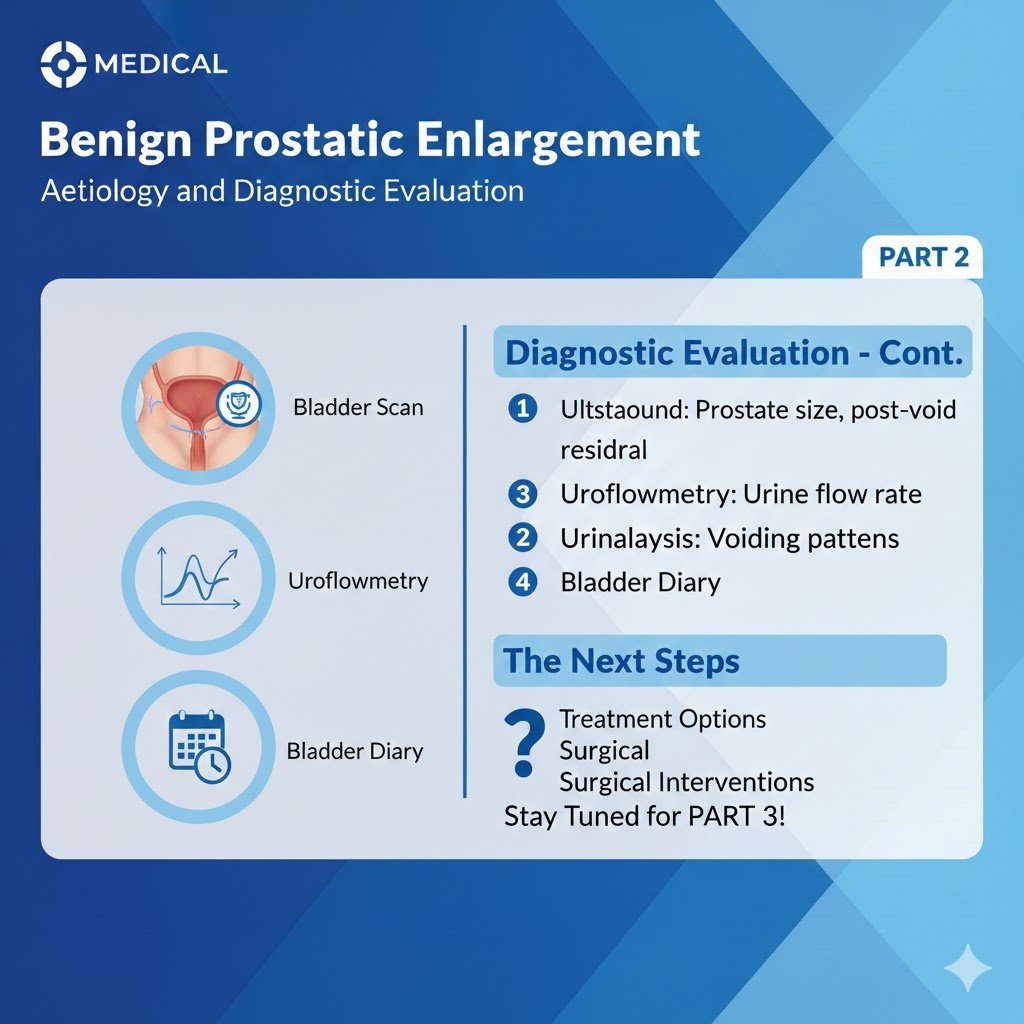
Benign Prostatic Enlargement Aetiology and Diagnostic Evaluation PART 2

Benign Prostatic Enlargement

Benign Prostatic Enlargement Pharmacological treatment, plant Extracts-phytotherapy PART 2 Comprehensive Review Article Prof. Dr. Semir. A. Salim. Al Samarrai As conservative treatment, the watchful waiting strategy (WWS) is a viable option for benign prostatic enlargement disease management. Many men with LUTS are not troubled enough by their symptoms to need drug treatment or surgical intervention. All men with LUTS should be formally assessed prior to any allocation of treatment in order to establish symptom severity and to differentiate between men with uncomplicated (the majority) and complicated LUTS. Watchful waiting strategy (WWS) is a viable option for many men with non-bothersome LUTS as few will progress to AUR and complications (e.g. renal insufficiency or stones) [1,2], whilst others can remain stable for years [3]. In one study, approximately 85% of men with mild LUTS were stable on Watchful waiting strategy (WWS) at one year [4]. A study comparing Watchful waiting strategy (WWS) and transurethral resection of the prostate (TURP) in men with moderate LUTS showed the surgical group had improved bladder function (flow rates and PVR volumes), especially in those with high levels of bother; 36% of Watchful waiting strategy (WWS) patients crossed over to surgery within five years, leaving 64% doing well in the Watchful waiting strategy (WWS) group [5,6]. Increasing symptom bother and PVR volumes are the strongest predictors of Watchful waiting strategy (WWS) failure. Men with mild-to-moderate uncomplicated LUTS who are not too troubled by their symptoms are suitable for Watchful waiting strategy (WWS). The behavioral and dietary modification for benign prostatic enlargement disease management is customary for this type of management to include the following components: • education (about the patient’s condition); • reassurance (that cancer is not a cause of the urinary symptoms); • periodic monitoring; • lifestyle advice [3,4,7,8] such as: reduction of fluid intake at specific times aimed at reducing urinary frequency when most inconvenient (e.g., at night or when going out in public); avoidance/moderation of intake of caffeine or alcohol, which may have a diuretic and irritant effect, thereby increasing fluid output and enhancing frequency, urgency and nocturia; use of relaxed and double-voiding techniques; urethral milking to prevent post-micturition dribble; distraction techniques such as penile squeeze, breathing exercises, perineal pressure, and mental tricks to take the mind off the bladder and toilet, to help control OAB symptoms; bladder retraining that encourages men to hold on when they have urgency to increase their bladder capacity and the time between voids; reviewing the medication and optimising the time of administration or substituting drugs for others that have fewer urinary effects (these recommendations apply especially to diuretics); providing necessary assistance when there is impairment of dexterity, mobility, or mental state; treatment of constipation. Evidence exists that self-management as part of Watchful waiting strategy (WWS) reduces both symptoms and progression [7,8]. Men randomised to three self-care management sessions in addition to standard care had better symptom improvement and QoL than men treated with standard care only, for up to a year [7]. A SR and meta-analysis found reasonable certainty in estimates that self-management intervention significantly reduced symptom severity in terms of IPSS at six months compared with usual care [9]. The reduction in IPSS score with self-management was similar to that achieved with drug therapy at six to twelve weeks. Self-management had a smaller, additional benefit at six weeks when added to drug therapy [9]. The Plant Extracts- phytotherapy with herbal medicinal products and their drug preparations are made of roots, seeds, pollen, bark, or fruits. There are single plant preparations (mono-preparations) and preparations combining two or more plants in one pill (combination preparations) [10]. Possible relevant compounds include phytosterols, ß-sitosterol, fatty acids, and lectins [10]. In vitro, plant extracts can have anti-inflammatory, anti-androgenic and oestrogenic effects; decrease sexual hormone binding globulin; inhibit aromatase, lipoxygenase, growth factor-stimulated proliferation of prostatic cells, α-adrenoceptors, 5 α-reductase, muscarinic cholinoceptors, dihydropyridine receptors and vanilloid receptors; and neutralise free radicals [10-12]. The in vivo effects of these compounds are uncertain, and the precise mechanisms of plant extracts remain unclear. The extracts of the same plant produced by different companies do not necessarily have the same biological or clinical effects; therefore, the effects of one brand cannot be extrapolated to others [13]. In addition, batches from the same producer may contain different concentrations of active ingredients [14]. A review of recent extraction techniques and their impact on the composition/biological activity of available Serenoa repens based products showed that results from different clinical trials must be compared strictly according to the same validated extraction technique and/or content of active compounds [15], as the pharmacokinetic properties of the different preparations can vary significantly. Heterogeneity and a limited regulatory framework characterise the current status of phytotherapeutic agents. The European Medicines Agency (EMA) has developed the Committee on Herbal Medicinal Products (HMPC). European Union (EU) herbal monographs contain the HMPC’s scientific opinion on safety and efficacy data about herbal substances and their preparations intended for medicinal use. The HMPC evaluates all available information, including non-clinical and clinical data, whilst also documenting long-standing use and experience in the EU. European Union monographs are divided into two sections: a) Well established use (marketing authorisation): when an active ingredient of a medicine has been used for more than ten years and its efficacy and safety have been well established (including a review of the relevant literature); and b) Traditional use (simplified registration): for herbal medicinal products which do not fulfil the requirements for a marketing authorisation, but there is sufficient safety data and plausible efficacy on the basis of long-standing use and experience. Table 1 lists the available EU monographs for herbal medicinal products and the current calls for update. Table 1: European Union monographs for herbal medicinal products Only hexane extracted Serenoa repens (HESr) has been recommended for wellestablished use by the HMPC. Based on this a detailed scoping search covering the timeframe between the search cut-off date of the EU monograph and May 2021 was conducted for HESr. A large meta-analysis of 30 RCTs with 5,222 men

Benign Prostatic Enlargement قراءة المزيد »
Benign Prostatic Enlargement

Benign Prostatic Enlargement part 1

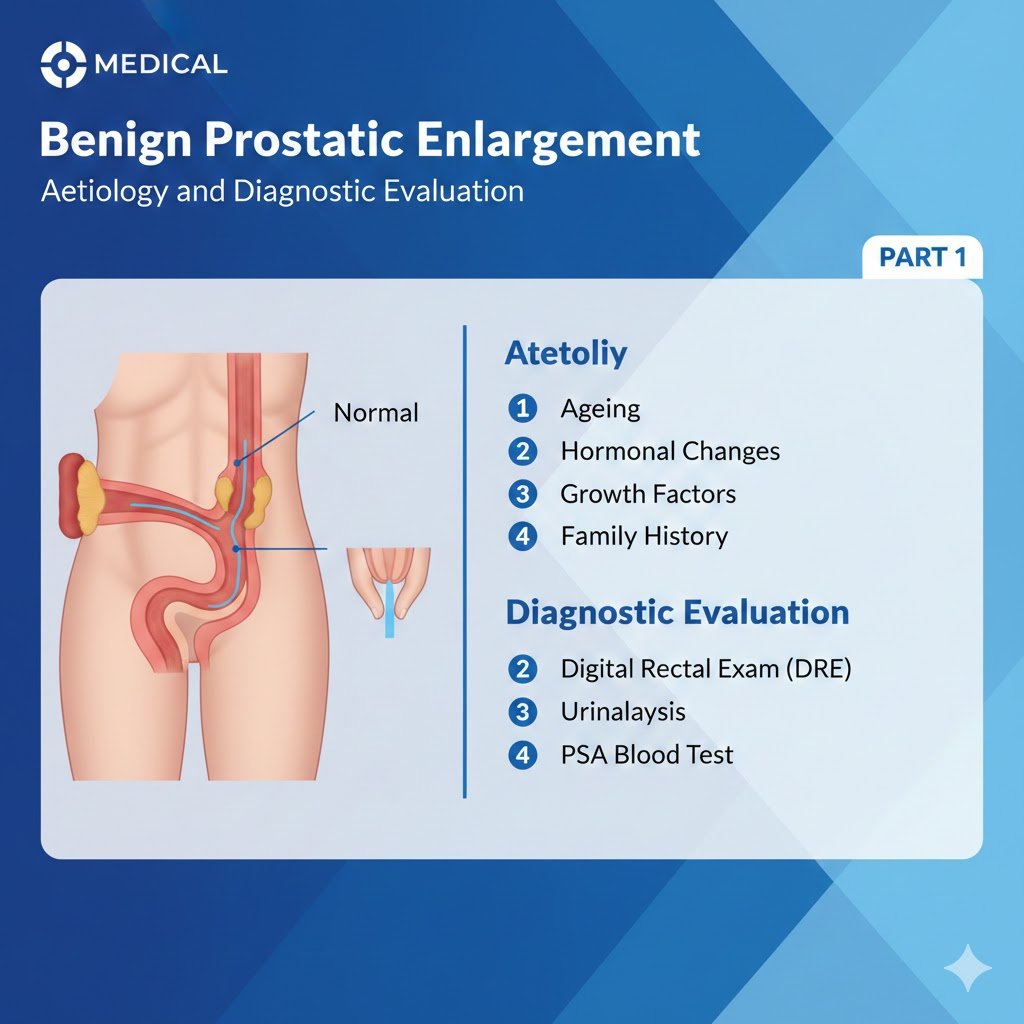
Benign Prostatic Enlargement Aetiology and Diagnostic Evaluation PART 1 Comprehensive Review Article Prof. Dr. Semir. A. Salim. Al Samarrai Lower urinary tract symptoms can be divided into storage, voiding and post-micturition symptoms [1], they are prevalent, cause bother and impair QoL [2-5]. An increasing awareness of LUTS and storage symptoms in particular, is warranted to discuss management options that could increase QoL [6]. Lower urinary tract symptoms are strongly associated with ageing [2,3], associated costs and burden are therefore likely to increase with future demographic changes [3,7]. Lower urinary tract symptoms are also associated with a number of modifiable risk factors, suggesting potential targets for prevention (e.g. metabolic syndrome) [8]. In addition, men with moderate-to-severe LUTS may have an increased risk of major adverse cardiac events [9]. Most elderly men have at least one LUTS [3]; however, symptoms are often mild or not very bothersome [5, 6, 10]. Lower urinary tract symptoms can progress dynamically: for some individuals LUTS persist and progress over long time periods, and for others they remit [3]. Lower urinary tract symptoms have traditionally been related to bladder outlet obstruction (BOO), most frequently when histological BPH progresses through benign prostatic enlargement (BPE) to BPO [1,4]. However, increasing numbers of studies have shown that LUTS are often unrelated to the prostate [3, 11]. Bladder dysfunction may also cause LUTS, including detrusor overactivity/OAB, detrusor underactivity (DU)/underactive bladder (UAB), as well as other structural or functional abnormalities of the urinary tract and its surrounding tissues [11]. Prostatic inflammation also appears to play a role in BPH pathogenesis and progression [12, 13]. In addition, many non-urological conditions also contribute to urinary symptoms, especially nocturia [3]. The definitions of the most common conditions related to male LUTS are: • Acute retention of urine is defined as a painful, palpable or percussible bladder, when the patient is unable to pass any urine [1]. • Chronic retention of urine is defined as a non-painful bladder, which remains palpable or percussible after the patient has passed urine. Such patients may be incontinent [1]. • Bladder outlet obstruction is the generic term for obstruction during voiding and is characterised by increasing detrusor pressure and reduced urine flow rate. It is usually diagnosed by studying the synchronous values of flow-rate and detrusor pressure [1]. • Benign prostatic obstruction is a form of BOO and may be diagnosed when the cause of outlet obstruction is known to be BPE [1]. In the Guidelines the term BPO or BOO is used as reported by the original studies. • Benign prostatic hyperplasia is a term used (and reserved) for the typical histological pattern, which defines the disease. • Detrusor overactivity is a urodynamic observation characterised by involuntary detrusor contractions during the filling phase which may be spontaneous or provoked [1]. Detrusor overactivity is usually associated with OAB syndrome characterised by urinary urgency, with or without urgency urinary incontinence (UUI), usually with increased daytime frequency and nocturia, if there is no proven infection or other obvious pathology [14]. • Detrusor underactivity during voiding is characterised by decreased detrusor voiding pressure leading to a reduced urine flow rate. Detrusor underactivity causes OAB syndrome which is characterised by voiding symptoms similar to those caused by BPO [15]. The importance of assessing the patient’s history is well recognised [16–18]. A medical history aims to identify the potential causes and relevant comorbidities, including medical and neurological diseases. In addition, current medication, lifestyle habits, emotional and psychological factors must be reviewed. The Panel recognises the need to discuss LUTS and the therapeutic pathway from the patient’s perspective. This includes reassuring the patient that there is no definite link between LUTS and prostate cancer (PCa) [19,20 ]. As part of the urological/surgical history, a self-completed validated symptom questionnaire should be obtained to objectify and quantify LUTS. Bladder diaries or frequency volume charts (FVC) are particularly beneficial when assessing patients with nocturia and/or storage symptoms. Sexual function should also be assessed, preferably with validated symptom questionnaires such as the International Index of Erectile Function (IIEF) [21]. The IPSS is an eight-item questionnaire, consisting of seven symptom questions and one QoL question [22]. The IPSS score is categorised as ‘asymptomatic’ (0 points), ‘mildly symptomatic’ (1-7 points), ‘moderately symptomatic’ (8-19 points), and ‘severely symptomatic’ (20-35 points). Limitations include lack of assessment of incontinence, post-micturition symptoms, and bother caused by each separate symptom. The ICIQ-MLUTS was created from the International Continence Society (ICS) male questionnaire. It is a widely used and validated patient completed questionnaire including incontinence questions and bother for each symptom [23]. It contains thirteen items, with subscales for nocturia and OAB, and is available in seventeen languages. Physical examination particularly focusing on the suprapubic area, the external genitalia, the perineum, and lower limbs should be performed. Urethral discharge, meatal stenosis, phimosis, and penile cancer must be excluded. Digital-rectal examination (DRE) is the simplest way to assess prostate volume, but the correlation to prostate volume is poor. Quality-control procedures for DRE have been described [24]. Transrectal ultrasound (TRUS) is more accurate in determining prostate volume than DRE. Underestimation of prostate volume by DRE increases with increasing TRUS volume, particularly where the volume is > 30 mL [25]. A model of visual aids has been developed to help urologists estimate prostate volume more accurately [26]. One study concluded that DRE was sufficient to discriminate between prostate volumes > or < 50 mL [27]. Urinalysis (dipstick or sediment) must be included in the primary evaluation of any patient presenting with LUTS to identify conditions, such as urinary tract infections (UTI), microhaematuria and diabetes mellitus. If abnormal findings are detected further tests are recommended according to other EAU Guidelines, e.g., Guidelines on urinary tract cancers and urological infections [28-31]. Urinalysis is recommended in most Guidelines in the primary management of patients with LUTS [32, 33]. There is limited evidence, but general expert consensus suggests that the benefits outweigh the costs [34]. The value of urinary dipstick/microscopy for diagnosing UTI in men with LUTS without acute frequency and dysuria has been

Benign Prostatic Enlargement part 1 قراءة المزيد »

MALE HYPOGONADISM

MALE HYPOGONADISM

MALE HYPOGONADISM Epidemiology and prevalence of male hypogonadism Male hypogonadism is associated with decreased testicular function, with decreased production of androgens and/or impaired sperm production [1]. This is caused by poor testicular function or as a result of inadequate stimulation of the testes by the hypothalamic-pituitary axis. Several congenital or acquired disorders causing impaired action of androgens are also described [1]. Hypogonadism may adversely affect multiple organ functions and quality of life (QoL) [2]. Late-onset hypogonadism (LOH) is a clinical condition in ageing men, which, by definition, must comprise both persistent specific symptoms and biochemical evidence of testosterone deficiency [1,3]. Late-onset hypogonadism is frequently diagnosed in the absence of an identifiable classical cause of hypogonadism, which becomes more prevalent with age, usually occurring, but not exclusively, in men aged > 40 years. Male hypogonadism has also been called Testosterone Deficiency. The EAU Guidelines 2022 Panel has agreed to use the term Male Hypogonadism, which may better reflect and explain the underlying pathophysiology. Likewise, the Panel has further agreed to continue with the term testosterone therapy. The present Guidelines specifically address the management of adult male hypogonadism also called LOH. Some insights related to congenital or pre-pubertal hypogonadism are also provided and summarised. The prevalence of hypogonadism increases with age and the major causes are central obesity, other co-morbidities (e.g., diabetes) and overall poor health [4]. In healthy ageing men, there is only a small gradual decline in testosterone; up to the age of 80 years, aging accounts for a low percentage of hypogonadism [4]. In men aged 40-79 years, the incidence of symptomatic hypogonadism varies between 2.1-5.7% [5–7]. The incidence of hypogonadism has been reported to be 12.3 and 11.7 cases per 1,000 people per year [5,8]. There is a high prevalence of hypogonadism within specific populations, including patients with type 2 diabetes (T2DM), metabolic syndrome (MetS), obesity, cardiovascular disease (CVD), chronic obstructive pulmonary disease, renal disease and cancer [7]. Low testosterone levels are common in men with T2DM [9] and a high prevalence of hypogonadism (42%) has been reported in T2DM patients [10]. Klinefelter syndrome, a trisomy associated with a 47,XXY karyotype, is the most prevalent genetic cause of primary hypogonadism (hypergonadotropic hypogonadism), with a global prevalence of 1/500-1,000 live male births [11-13]. However, < 50% of individuals with Klinefelter syndrome are diagnosed in their lifetime [14]. Body Composition and Metabolic Profile Low testosterone levels are common in men with obesity. Male hypogonadism is associated with a greater percentage of fat mass and a lesser lean mass compared to men with adequate testosterone levels [15]. There is much evidence that a low testosterone level is strongly associated with increased visceral adiposity, but it also leads to lipid deposition in the liver and muscle and is associated with atherosclerosis [15]. In vitro studies have suggested that hypogonadism impairs glucose and triglyceride uptake into subcutaneous fat depots [15]. This enhances the uptake of glucose and triglycerides into ectopic fat depots. Testosterone therapy has been associated with a reduced percentage of body fat and increase of lean body mass [16]. Data from a registry study have suggested that over a period of 11 years, testosterone therapy with long-acting intramuscular testosterone undecanoate was associated with a substantial but gradual loss of weight, along with a reduction in waist circumference [17]. Testosterone also reduces liver fat content and muscle fat storage [15]. Metabolic Syndrome/Type 2 Diabetes Metabolic Syndrome (MetS) is characterised by several specific components, including increased waist circumference, dyslipidaemia, hypertension, and impaired glucose tolerance. Hypogonadism is associated with central obesity, hyperglycaemia, insulin resistance and dyslipidaemia [low high-density lipoprotein (HDL)] cholesterol, raised total and low-density lipoprotein (LDL) cholesterol and triglycerides], hypertension and predisposition to T2DM, which are all components of MetS [18]. Several randomised controlled trials (RCTs) have shown that testosterone therapy might improve insulin resistance and hyperglycaemia and lower cholesterol and LDL-cholesterol [19–23]. Testosterone therapy in hypogonadal T2DM improved glycaemic control in some RCTs and registry trials; however, there is no conclusive evidence from RCTs and meta-analyses [20,24,25]. A recent large placebo-controlled RCT, including 1,007 patients with impaired glucose tolerance or newly-diagnosed T2DM and total testosterone < 14 nmol/L, showed that testosterone therapy for 2 years reduced the proportion of patients with T2DM regardless of a lifestyle programme [26]. Similarly, a previously published registry study reported that testosterone therapy was associated in time with remission of T2DM [24]. HDL-cholesterol may decrease, remain unchanged or increase with testosterone therapy. Testosterone therapy in men with MetS and low testosterone has been shown to reduce mortality compared to that in untreated men [27,28], although no conclusive evidence is available. Erectile dysfunction (ED) is common in men with MetS and T2DM (up to 70% of patients). The causes of ED are multi-factorial and 30% of men with ED have co-existing testosterone-deficiency hypogonadism. Some evidence has suggested that for patients with T2DM this is only found in men with clearly reduced testosterone levels (< 8 nmol/L or 2.31 ng/mL) [29]. From a pathophysiological point of view, it has been reported that this is because ED is predominantly caused by vascular and neuropathic disease, and therefore not likely in men who do not have established vascular disease. Therefore, men presenting with ED should be screened for MetS. Likewise, patients with ED and diabetes may be offered testosterone measurement. Placebo-controlled RCTs of testosterone therapy in T2DM have demonstrated improved sexual desire and satisfaction, but not erectile function [20,29]. The presence of multiple comorbidity in this group of patients may confound the response to testosterone therapy alone. In a long-term registry study in men with T2DM, parenteral testosterone undecanoate therapy led to one third of patients entering remission from diabetes during 11 years’ follow-up [30]. A large 2-year RCT of testosterone undecanoate vs. placebo showed that testosterone therapy significantly decreased progression of 999 men with low testosterone (< 14 nmol/L) from pre-diabetes to overt T2DM [26]. Physiology of testosterone production The pituitary gland regulates testicular activity through secretion of luteinising hormone (LH), which regulates testosterone production in Leydig cells and

MALE HYPOGONADISM قراءة المزيد »

EPIDEMIOLOGY AND PREVALENCE OF SEXUAL DYSFUNCTION AND DISORDERS

EPIDEMIOLOGY AND PREVALENCE OF SEXUAL DYSFUNCTION AND DISORDERS OF MALE REPRODUCTIVE HEALTH Prof. Dr. Semir. A. Salim. Al Samarrai Erectile dysfunction: Epidemiological data have shown a high prevalence and incidence of ED worldwide [1]. Among others, the Massachusetts Male Aging Study (MMAS) [2] reported an overall prevalence of 52% ED in non-institutionalized men aged 40-70 years in the Boston area; specific prevalence for minimal, moderate, and complete ED was 17.2%, 25.2%, and 9.6%, respectively. In the Cologne study of men aged 30-80 years, the prevalence of ED was 19.2%, with a steep age-related increase from 2.3% to 53.4% [3]. The incidence rate of ED (new cases per 1,000 men annually) was 26 in the long-term data from the MMAS study [4] and 19.2 (mean follow-up of 4.2 years) in a Dutch study [5]. In a cross-sectional real-life study among men seeking first medical help for new-onset ED, one in four patients was younger than 40 years, with almost 50% of the young men complaining of severe ED [6]. Differences among these studies can be explained by differences in methodology, ages, and socio-economic and cultural status of the populations studied. Premature ejaculation: The method of recruitment for study participation, method of data collection and operational criteria can all greatly affect reported prevalence rates of premature ejaculation (PE). The major problem in assessing the prevalence of PE was the lack of a universally recognised definition at the time the surveys were conducted [7]. Vague definitions without specific operational criteria, different manners of sampling, and non-standardized data acquisition have led to heterogeneity in estimated prevalence [7–11]. The highest prevalence rate of 31% (men aged 18-59 years) was found by the National Health and Social Life Survey (NHSLS), which determines adult sexual behaviour in the USA [12]. Prevalence rates were 30% (18-29 years), 32% (30-39 years), 28% (40-49 years) and 55% (50-59 years). It is, however, unlikely that the PE prevalence is as high as 20-30% based on the relatively low number of men who seek medical help for PE. These high prevalence rates may be a result of the dichotomous scale (yes/no) in a single question asking if ejaculation occurred too early, as the prevalence rates in European studies have been significantly lower [13]. Two separate observational, cross-sectional surveys from different continents found that overall prevalence of PE was 19.8 and 25.8%, respectively [14,15]. Further stratifying these complaints into the classifications defined by Waldinger et al. [16], rates of lifelong PE were 2.3 and 3.18%, acquired PE 3.9 and 4.48%, variable PE 8.5 and 11.38% and subjective PE 5.1 and 6.4% [14,15]. Both studies showed that men with acquired PE were more likely to seek treatment compared to men with lifelong PE. Treatment-seeking behaviour may have contributed to errors in the previously reported rates of PE, as it is possible that men with lifelong PE came to terms with their problem and did not seek treatment. The additional psychological burden of a new change in ejaculatory latency in acquired PE may have prompted more frequent treatment seeking [17]. Thus, it is likely that there is disparity between the incidence of the various PE sub-types in the general community and in men actively seeking treatment for PE [18,19]. This disparity could be a further barrier to understanding the true incidence of each sub-type of PE. An approximately 5% prevalence of acquired PE and lifelong PE in the general population is consistent with epidemiological data indicating that around 5% of the population have an ejaculation latency of < 2 minutes [20]. Other ejaculatory disorders: Delayed ejaculation Due to its rarity and uncertain definitions, the epidemiology of delayed ejaculation (DE) is not clear [21]. However, several well-designed epidemiological studies have revealed that its prevalence is around 3% among sexually active men [12,22]. According to data from the NHSLS, 7.78% of a national probability sample of 1,246 men aged 18-59 years reported inability achieving climax or ejaculation [12]. In a similar stratified national probability sample survey completed over 6 months among 11,161 men and women aged 16-44 years in Britain, 0.7% of men reported inability to reach orgasm [23]. In an international survey of sexual problems among 13,618 men aged 40–80 years from 29 countries, 1.1-2.8% of men reported that they frequently experience inability to reach orgasm [24]. Another study conducted in the United States (USA), in a national probability sample of 1,455 men aged 57-85 years, 20% of men reported inability to climax and 73% reported that they were bothered by this problem [25]. Considering the findings of these epidemiological studies and their clinical experiences, some urologists and sex therapists have postulated that the prevalence of DE may be higher among older men [26-28]. Similar to the general population, the prevalence of men with DE is low among patients who seek treatment for their sexual problems. An Indian study that evaluated the data on 1,000 consecutive patients with sexual disorders who attended a psychosexual clinic demonstrated that the prevalence of DE was 0.6% and it was more frequent in elderly people with diabetes [29]. Nazareth et al. [30] evaluated the prevalence of International Classification of Diseases 10th edition (ICD-10) diagnosed sexual dysfunctions among 447 men attending 13 general practices in London, UK and found that 2.5% of the men reported inhibited orgasm during intercourse. Similar to PE, there are distinctions among lifelong, acquired and situational DE [31]. Although the evidence is limited, the prevalence of lifelong and acquired DE is estimated at 1 and 4%, respectively [32]. Anejaculation and Anorgasmia Establishing the exact prevalence of anejaculation and anorgasmia is difficult since many men cannot distinguish between ejaculation and orgasm. The rarity of these clinical conditions further hampers the attempts to conduct epidemiological studies. In a report from the USA, 8% of men reported unsuccessfully achieving orgasm during the past year [12]. According to Kinsey et al. [33], 0.14% of the general population have anejaculation. The most common causes of anejaculation were spinal cord injury, diabetes mellitus and multiple sclerosis. Especially in most cases of spinal

EPIDEMIOLOGY AND PREVALENCE OF SEXUAL DYSFUNCTION AND DISORDERS قراءة المزيد »

MALE INFERTILITY part 3

MALE INFERTILITY part 4

MALE INFERTILITY Invasive Male Infertility Therapy of the Obstructive azoospermia (OA) Comprehensive Review Article Part 4 Prof. Dr. Semir. A. Salim. Al Samarrai Obstructive azoospermia (OA): Obstructive azoospermia (OA) is the absence of spermatozoa in the sediment of a centrifuged sample of ejaculate due to obstruction [1]. Obstructive azoospermia is less common than NOA and occurs in 20-40% of men with azoospermia [2,3]. Men with OA usually have normal FSH, testes of normal size and epididymal enlargement [4]. Of clinical relevance, men with late maturation arrest may present with normal gonadotropins and testicular size and may be only distinguished from those with OA at the time of surgical exploration. The vas deferens may be absent bilaterally (CBAVD) or unilaterally (CUAVD). Obstruction in primary infertile men is more frequently present at the epididymal level. Classification of obstructive azoospermia: Intratesticular obstruction occurs in 15% of men with OA [5]. Congenital forms are less common than acquired forms (post-inflammatory or post-traumatic) (Table 1). Table 1: Causes of obstruction of the genitourinary system Vas deferens obstruction: Vas deferens obstruction is the most common cause of acquired obstruction following vasectomy [6]. Approximately 2-6% of these men request vasectomy reversal (see 2019 EAU Guidelines on Male Infertility). Vasal obstruction may also occur after hernia repair [7,8]. The most common congenital vasal obstruction is CBAVD, often accompanied by CF. Unilateral agenesis or a partial defect is associated with contralateral seminal duct anomalies or renal agenesis in 80% and 26% of cases, respectively [9]. Ejaculatory duct obstruction: Ejaculatory duct obstruction is found in 1-5% of cases of OA and is classified as cystic or post-inflammatory or calculi of one or both ejaculatory ducts [10,11]. Cystic obstructions are usually congenital (i.e., Mullerian duct cyst or urogenital sinus/ejaculatory duct cysts) and are typically midline. In urogenital sinus abnormalities, one or both ejaculatory ducts empty into the cyst [12], while in Mullerian duct anomalies, the ejaculatory ducts are laterally displaced and compressed by the cyst [13]. Paramedian or lateral intraprostatic cysts are rare [14]. Post-inflammatory obstructions of the ejaculatory duct are usually secondary to urethra-prostatitis [15]. Congenital or acquired complete obstructions of the ejaculatory ducts are commonly associated with low seminal volume, decreased or absent seminal fructose, and acidic pH. The seminal vesicles (anterior-posterior diameter > 15 mm) and ejaculatory duct (> 2.3 mm in width) are usually dilated [11,15-17]. Functional obstruction of the distal seminal ducts: Functional obstruction of the distal seminal ducts might be attributed to local neurogenic dysfunction [18]. This abnormality is often associated with urodynamic dysfunction. Impaired sperm transport can be observed as idiopathic or due to spinal cord injury, multiple sclerosis, retroperitoneal lymph node dissection, pelvic surgery, SSRIs, α-blockers and typical antipsychotic medications [19]. Diagnostic evaluation: Clinical history Clinical history-taking should follow the investigation and diagnostic evaluation of infertile men. Risk factors for obstruction include prior surgery, iatrogenic injury during inguinal herniorrhaphy, orchidopexy or hydrocelectomy. Clinical examination Clinical examination should follow the guidelines for the diagnostic evaluation of infertile men. Obstructive azoospermia is indicated by at least one testis with a volume > 15 mL, although a smaller volume may be found in some patients with: • obstructive azoospermia and concomitant partial testicular failure. • enlarged and dilated epididymis. • nodules in the epididymis or vas deferens. • absence or partial atresia of the vas deferens. Semen analysis Azoospermia means the inability to detect spermatozoa after centrifugation at ×400 magnification. At least two semen analyses must be carried out [20,21]. When semen volume is low, a search must be made for spermatozoa in urine after ejaculation. Absence of spermatozoa and immature germ cells in the semen pellet suggest complete seminal duct obstruction. Hormone levels Hormones including FSH and inhibin-B should be normal, but do not exclude other causes of testicular azoospermia (e.g., NOA). Although inhibin-B concentration is a good index of Sertoli cell integrity reflecting closely the state of spermatogenesis, its diagnostic value is no better than that of FSH and its use in clinical practice has not been widely advocated [22]. Genetic testing Inability to palpate one or both sides of the vas deferens should raise concern for a CFTR mutation. Any patient with unilateral or bilateral absence of the vas deferens or seminal vesicle agenesis should be offered CFTR testing [23]. Testicular biopsy Testicular biopsy must be combined with TESE for cryopreservation. Although studies suggest that a diagnostic or isolated testicular biopsy [24] is the most important prognostic predictor of spermatogenesis and sperm retrieval, the EAU Guidelines edition 2022 recommends not to perform testis biopsies (including fine needle aspiration [FNA]) without performing simultaneously a therapeutic sperm retrieval, as this will require a further invasive procedure after biopsy. Furthermore, even patients with extremes of spermatogenic failure (e.g., Sertoli Cell Only syndrome [SCOS]) may harbour focal areas of spermatogenesis [25,26]. Disease management: Intratesticular obstruction Only TESE allows sperm retrieval in these patients and is therefore recommended. Epididymal obstruction Microsurgical epididymal sperm aspiration (MESA) or percutaneous epididymal sperm aspiration (PESA) [27] is indicated in men with CBAVD. Testicular sperm extraction and percutaneous techniques, such as testicular sperm aspiration (TESA), are also options [28]. The source of sperm used for ICSI in cases of OA and the aetiology of the obstruction do not affect the outcome in terms of fertilisation, pregnancy, or miscarriage rates [29]. Usually, one MESA procedure provides sufficient material for several ICSI cycles [30] and it produces high pregnancy and fertilisation rates [31]. In patients with OA due to acquired epididymal obstruction and with a female partner with good ovarian reserve, microsurgical epididymovasostomy (EV) is recommended [32]. Epididymovasostomy can be performed with different techniques such as end-to-site and intussusception [33]. Anatomical recanalisation following surgery may require 3-18 months. A recent systematic review indicated that the time to patency in EV varies between 2.8 to 6.6 months. Reports of late failure are heterogeneous and vary between 1 and 50% [34]. Before microsurgery, and in all cases in which recanalisation is impossible, epididymal spermatozoa should be aspirated intra-operatively by MESA and cryopreserved to be used for

MALE INFERTILITY part 4 قراءة المزيد »

MALE INFERTILITY part 3

MALE INFERTILITY part 3

MALE INFERTILITY Therapy of the Idiopathic Male Infertility and oligo-astheno-terato-zoospermia Comprehensive Review Article Part 3 Prof. Dr. Semir. A. Salim. Al Samarrai Idiopathic male infertility and oligo-astheno-terato-zoospermia: Oligo-astheno-terato-zoospermia (OAT) is a clinical condition with a reduced number of spermatozoa in the ejaculate, which is also characterised by reduced sperm motility and morphology; often referred to as OAT syndrome (OATS). Several conditions can cause OATS, although the aetiology may be unknown in a significant number of cases [1,2]. Empirical treatments: Life-style Studies suggest that environmental and lifestyle factors may contribute to idiopathic infertility acting additively on a susceptible genetic background [1,2]. Hence, lifestyle improvement can have a positive effect on sperm parameters. Weight loss Few authors have investigated the role of weight loss on male fertility outcomes. Non-controlled studies have suggested that weight loss can result in improved sperm parameters [1,3,4]. However, data derived from RCTs are more conflicting. A meta-analysis of 28 cohort studies and 1,022 patients, documented that bariatric surgery did not improve sperm quality and function in morbidly obese men [5]. Data on ART outcomes are lacking. However, it is important to recognise that weight loss can improve obesity-related secondary hypogonadism, which may result in better outcomes in couples seeking medical care for infertility, and is important for the general health of the male partner [3,5]. Physical activity Regular physical activity is recommended by the WHO in order to prevent and reduced the risk of several long-term chronic diseases [6]. A recent meta-analysis has documented that moderate-intensity (20–40 metabolic equivalents [METs]/week) or even high-intensity (40–80 METs-h/week) recreational physical activity can result in better semen parameters [7]. In addition, similar to what is observed from weight loss, improvements in hormonal profile have also been reported [3]. Smoking Epidemiological data indicates that about one in three men of reproductive age smokes, with the highest prevalence observed in Europe among all the WHO regions [8]. Data derived from a large meta-analysis of 20 studies with 5,865 participants clearly show a negative association between smoking and sperm parameters [8]. Experimental studies performed in rats have shown that nicotine has a dose-dependent deleterious effect on sperm, which can be improved by nicotine cessation [9]. Data in men are lacking and only one case report has indicated an improvement of sperm parameters after 3 months of a smoking cessation programme [10]. Similar data have been reported in a recent non-controlled study, which showed a possible benefit on ART after the male partner stopped smoking [11]. Alcohol consumption Data derived from a recent meta-analysis including 15 cross-sectional studies and 16,395 men suggested that moderate alcohol does not adversely affect semen parameters, whereas high alcohol intake can have a detrimental effect on male fertility [12]. Similar to what has been reported for weight loss; however, heavy chronic alcohol consumption (defined as > 2 drinks/day [13]) can reduce testosterone levels, which can be restored by alcohol cessation [14]. Antioxidant treatment Inflammation is a positive reaction of the human body to overcome potential noxious stimuli. However, chronic inflammation can induce several negative biochemical and metabolic effects that contribute to the development of several medical conditions. Oxidative stress is considered to be of the most important contributing factors in the pathogenesis of idiopathic infertility. Reactive oxygen species, the final products of OS, can impair sperm function acting at several levels, including plasma membrane lipid peroxidation, which can affect sperm motility, the acrosome reaction and chromatin maturation leading to increased DNA fragmentation [15]. Accordingly, seminal levels of ROS have been negatively associated with ART outcomes [16]. Despite this, evidence for the role of antioxidant therapy in male infertility is still conflicting. A Cochrane systematic review and meta-analysis including 34 RCTs and 2,876 couples using various antioxidant compounds, it was concluded that antioxidant therapy had a positive impact on live-birth and pregnancy rates in sub-fertile couples undergoing ART cycles [17]. Similar results were also reported in the most recent meta-analysis including 61 studies with 6,264 infertile men, aged 18-65 years [18]. More recently, the Males, Antioxidants, and Infertility (MOXI) trial found that antioxidants did not improve semen parameters or DNA integrity compared to placebo among infertile men with male factor infertility. Moreover, cumulative live-birth rate did not differ at 6 months between the antioxidant and placebo groups (15% vs. 24%) [19]. However, all the aforementioned studies also recognised important limitations: data were derived from low-quality RCTs with serious risk of bias due to poor methods of reporting randomisation; failure to report on the clinical outcomes including live-birth and clinical pregnancy rates; high attrition rates; and imprecision due to often low event rates and small overall sample sizes [18]. No clear conclusions were possible regarding the specific antioxidants to use or and/or therapeutic regimes for improving sperm parameters and pregnancy rate [18]. Selective oestrogen receptor modulators Selective oestrogen receptor modulators (SERMs) have been advocated as a possible empirical treatment in male idiopathic infertility. The proposed mechanism of action is based on the activity of these compounds to block oestrogen receptors at the level of the hypothalamus, which results in stimulation of GnRH secretion leading to an increase in pituitary gonadotropin release. The latter effect, by stimulating spermatogenesis, represents the rational basis for SERM administration to patients with reduced sperm count [20]. In an initial meta-analysis including 11 RCTs, in which only 5 were placebo-controlled, it was concluded that SERMs were not associated with an increased pregnancy rate in the 459 patients analysed [21]. In a subsequent Cochrane review published 1 year later, these findings were confirmed in a larger number of studies (n = 10 and 738 men), although positive effects on hormonal parameters were documented. More recently, Chua et al., meta-analysed data derived from 11 RCTs and showed that SERMs were associated with a significantly increased pregnancy rate [22]. Additionally, a significant improvement in sperm and hormonal parameters was detected. Similar results were confirmed in the latest updated meta-analysis of 16 studies [20]. However, it should be recognised that the quality of the papers included was low and only a

MALE INFERTILITY part 3 قراءة المزيد »

MALE INFERTILITY part 2

MALE INFERTILITY part 2

MALE INFERTILITY The Varicocele testis and the male accessory gland infections Comprehensive Review Article Part 2 Prof. Dr. Semir. A. Salim. Al Samarrai At present, the clinical management of varicocele is still mainly based on physical examination; nevertheless, scrotal colour Doppler US is useful in assessing venous reflux and diameter, when palpation is unreliable and/or in detecting recurrence/persistence after surgery [1]. Definitive evidence of reflux and venous diameter may be utilised in the decision to treat. Scrotal US is able to detect changes in the proximal part of the seminal tract due to obstruction. Especially for CBAVD patients, scrotal US is a favourable option to detect the abnormal appearance of the epididymis. Given that, three types of epididymal findings are described in CBAVD patients: tubular ectasia (honeycomb appearance), meshwork pattern, and complete or partial absence of the epididymis [2,3]. Transrectal US: For patients with a low seminal volume, acidic pH and severe oligozoospermia or azoospermia, in whom obstruction is suspected, scrotal and transrectal US are of clinical value in detecting CBAVD and presence or absence of the epididymis and/or seminal vesicles (SV) (e.g., abnormalities/agenesis). Likewise, transrectal US (TRUS) has an important role in assessing obstructive azoospermia (OA) secondary to CBAVD or anomalies related to the obstruction of the ejaculatory ducts, such as ejaculatory duct cysts, seminal vesicular dilatation or hypoplasia/atrophy, although retrograde ejaculation should be excluded as a differential diagnosis [1,4]. Special Conditions and Relevant Clinical Entities: Cryptorchidism Cryptorchidism is the most common congenital abnormality of the male genitalia; at 1 year of age nearly 1% of all full-term male infants have cryptorchidism [5]. Approximately 30% of undescended testes are nonpalpable and may be located within the abdominal cavity. These guidelines will only deal with management of cryptorchidism in adults. Classification The classification of cryptorchidism is based on the duration of the condition and the anatomical position of the testes. If the undescended testis has been identified from birth, then it is termed congenital while diagnosis of acquired cryptorchidism refers to men that have been previously noted to have testes situated within the scrotum. Cryptorchidism is categorised on whether it is bilateral or unilateral and the location of the testes (inguinal, intra-abdominal or ectopic). Aetiology and pathophysiology It has been postulated that cryptorchidism may be a part of the so-called testicular dysgenesis syndrome (TDS), which is a developmental disorder of the gonads caused by environmental and/or genetic influences early in pregnancy, including exposure to endocrine disrupting chemicals. Besides cryptorchidism, TDS includes hypospadias, reduced fertility, increased risk of malignancy, and Leydig/Sertoli cell dysfunction [6]. Cryptorchidism has also been linked with maternal gestational smoking [7] and premature birth [8]. Pathophysiological effects in maldescended testes: Degeneration of germ cells The degeneration of germ cells in maldescended testes is apparent even after the first year of life and varies, depending on the position of the testes [9]. During the second year, the number of germ cells declines. Early treatment is therefore recommended (surgery should be performed within the subsequent year) to conserve spermatogenesis and hormone production, as well as to decrease the risk for tumours [10]. Surgical treatment is the most effective. Meta-analyses on the use of medical treatment with GnRH and hCG have demonstrated poor success rates [11,12]. It has been reported that hCG treatment may be harmful to future spermatogenesis; therefore, the Nordic Consensus Statement on treatment of undescended testes does not recommend it use on a routine basis [13]. See also the EAU Guidelines on Paediatric Urology [14]. There is increasing evidence to suggest that in unilateral undescended testis, the contralateral normal descended testis may also have structural abnormalities, including smaller volume, softer consistency and reduced markers of future fertility potential (spermatogonia/tubule ratio and dark spermatogonia) [15,16]. This implies that unilateral cryptorchidism may affect the contralateral testis and patients and parents should be counselled appropriately. Relationship with fertility Semen parameters are often impaired in men with a history of cryptorchidism [17]. Early surgical treatment may have a positive effect on subsequent fertility [18]. In men with a history of unilateral cryptorchidism, paternity is almost equal (89.7%) to that in men without cryptorchidism (93.7%). In men with bilateral cryptorchidism, oligozoospermia can be found in 31% and azoospermia in 42%. In cases of bilateral cryptorchidism, the rate of paternity falls to 35-53% [19]. It is also important to screen for hypogonadism, as this is a potential long-term sequela of cryptorchidism and could contribute to impaired fertility and potential problems such as testosterone deficiency and MetS [20]. Germ cell tumours As a component of TDS, cryptorchidism is a risk factor for testicular cancer and is associated with testicular microcalcifications and intratubular germ cell neoplasia in situ (GCNIS), formerly known as carcinoma in situ (CIS) of the testes. In 5-10% of testicular cancers, there is a history of cryptorchidism [21]. The risk of a germ cell tumour is 3.6-7.4 times higher than in the general population and 2-6% of men with a history of cryptorchidism will develop a testicular tumour [5]. Orchidopexy performed before the onset of puberty has been reported to decrease the risk of testicular cancer [22]. However, there is evidence to suggest that even men who undergo early orchidopexy still harbour a higher risk of testicular cancer than men without cryptorchidism [23]. Therefore, all men with a history of cryptorchidism should be warned that they are at increased risk of developing testicular cancer and should perform regular testicular self-examination [24]. There is also observational study data suggesting that cryptorchidism may be a risk factor for worsening clinical stage of seminoma but this needs to be substantiated with future prospective studies [25]. Disease management: Hormonal treatment Human chorionic gonadotropin or GnRH is not recommended for the treatment of cryptorchidism in adulthood. Although some studies have recommended the use of hormonal stimulation as an adjunct to orchidopexy to improve fertility preservation, there is a lack of long-term data and concerns regarding impairment to spermatogenesis with the use of these drugs [26]. Surgical treatment In adolescence, removal of an intra-abdominal testis (with a normal

MALE INFERTILITY part 2 قراءة المزيد »

MALE INFERTILITY

MALE INFERTILITY

MALE INFERTILITY Epidemiology, aetiology, pathophysiology, and risk factors Comprehensive Review Article Part 1 Prof. Dr. Semir. A. Salim. Al Samarrai Definition and classification: Infertility is defined by the inability of a sexually active, non-contraceptive couple to achieve spontaneous pregnancy within 1 year [1]. Primary infertility refers to couples that have never had a child and cannot achieve pregnancy after at least 12 consecutive months having sex without using birth control methods. Secondary infertility refers to infertile couples who have been able to achieve pregnancy at least once before (with the same or different sexual partner). Recurrent pregnancy loss is distinct from infertility and is defined as two or more failed pregnancies [2,3]. Epidemiology/aetiology/pathophysiology/risk factors: Introduction About 15% of couples do not achieve pregnancy within 1 year and seek medical treatment for infertility. One in eight couples encounter problems when attempting to conceive a first child and one in six when attempting to conceive a subsequent child [4]. In 50% of involuntarily childless couples, a male-infertility-associated factor is found, usually together with abnormal semen parameters [1]. For this reason, all male patients belonging to infertile couples should undergo medical evaluation by a urologist trained in male reproduction. Male fertility can be impaired as a result of [1]: • congenital or acquired urogenital abnormalities. • gonadotoxic exposure (e.g., radiotherapy or chemotherapy). • malignancies. • urogenital tract infections. • increased scrotal temperature (e.g., as a consequence of varicocele). • endocrine disturbances. • genetic abnormalities. • immunological factors. In 30-40% of cases, no male-associated factor is found to explain impairment of sperm parameters and historically was referred to as idiopathic male infertility. These men present with no previous history of diseases affecting fertility and have normal findings on physical examination and endocrine, genetic and biochemical laboratory testing, although semen analysis may reveal pathological findings. Unexplained male infertility is defined as infertility of unknown origin with normal sperm parameters and partner evaluation. Between 20 and 30% of couples will have unexplained infertility. It is now believed that idiopathic male infertility may be associated with several previously unidentified pathological factors, which include but are not limited to endocrine disruption as a result of environmental pollution, generation of reactive oxygen species (ROS)/sperm DNA damage, or genetic and epigenetic abnormalities [5]. Advanced paternal age has emerged as one of the main risk factors associated with the progressive increase in the prevalence of male factor infertility [6–13]. Likewise, advanced maternal age must be considered over the management of every infertile couple, and the consequent decisions in the diagnostic and therapeutic strategy of the male partner [14,15]. This should include the age and ovarian reserve of the female partner, since these parameters might determine decision-making in terms of timing and therapeutic strategies (e.g., assisted reproductive technology [ART] vs. surgical intervention) [6–9]. Table 1 summarises the main male-infertility-associated factors. Table 1: Male infertility causes and associated factors and percentage of distribution in 10,469 patients Diagnostic work-up: Focused evaluation of male patients must always be undertaken and should include: a medical and reproductive history; physical examination; semen analysis – with strict adherence to World Health Organization (WHO) reference values for human semen characteristics [17], and hormonal evaluation. Other investigations (e.g., genetic analysis and imaging) may be required depending on the clinical features and semen parameters. Medical/reproductive history and physical examination: Medical and reproductive history Medical history should evaluate any risk factors and behavioural patterns that could affect the male partner’s fertility, such as lifestyle, family history (including, testicular cancer), comorbidity (including systemic diseases; e.g., hypertension, diabetes mellitus, obesity, MetS, testicular cancer, etc.), genito-urinary infections (including sexually transmitted infections), history of testicular surgery and exclude any potential known gonadotoxins [18]. Typical findings from the history of a patient with infertility include: • cryptorchidism (uni- or bilateral). • testicular torsion and trauma. • genitourinary infections. • exposure to environmental toxins. • gonadotoxic medications (anabolic drugs, chemotherapeutic agents, etc.). • exposure to radiation or cytotoxic agents. Physical examination Physical examination Focused physical examination is compulsory in the evaluation of every infertile male, including presence of secondary sexual characteristics. The size, texture and consistency of the testes must be evaluated. In clinical practice, testicular volume is assessed by Prader’s orchidometer [19]; orchidometry may overestimate testicular volume when compared with US assessment [20]. There are no uniform reference values in terms of Prader’s orchidometer-derived testicular volume, due to differences in the populations studied (e.g., geographic area, nourishment, ethnicity and environmental factors) [19–21]. The mean Prader’s orchidometer-derived testis volume reported in the European general population is 20.0 ± 5.0 mL [19], whereas in infertile patients it is 18.0 ± 5.0 mL [19,22,23]. The presence of the vas deferens, fullness of epididymis and presence of a varicocele should be always determined. Likewise, palpable abnormalities of the testis, epididymis, and vas deferens should be evaluated. Other physical alterations, such as abnormalities of the penis (e.g., phimosis, short frenulum, fibrotic nodules, epispadias, hypospadias, etc.), abnormal body hair distribution and gynecomastia, should also be evaluated. Typical findings from the physical examination of a patient with characteristics suggestive for testicular deficiency include: • abnormal secondary sexual characteristics. • abnormal testicular volume and/or consistency. • testicular masses (potentially suggestive of cancer). • absence of testes (uni-bilaterally). • gynaecomastia. • varicocele. Semen analysis A comprehensive andrological examination is always indicated in every infertile couple, both if semen analysis shows abnormalities, and even in the case of normal sperm parameters as compared with reference values [24]. Important treatment decisions are based on the results of semen analysis and most studies evaluate semen parameters as a surrogate outcome for male fertility. However, semen analysis cannot precisely distinguish fertile from infertile men [25]; therefore, it is essential that the complete laboratory work-up is standardised according to reference values (Table 2). Table 2: Lower reference limits (5th centiles and their 95% CIs) for semen characteristics There is consensus that modern semen analysis must follow these guidelines. Ejaculate analysis has been standardised by the WHO and disseminated by publication of the most updated version of the WHO Laboratory Manual

MALE INFERTILITY قراءة المزيد »

Non-muscle-invasive Bladder Cancer Part 2

Non-muscle-invasive Bladder Cancer Part 2

Non-muscle-invasive Bladder Cancer Part 2 Comprehensive Review Article Prof. Dr. Semir. A. Salim. Al Samarrai PREDICTING DISEASE RECURRENCE AND PROGRESSION: TaT1 tumours Treatment should take into account a patient’s prognosis. In order to predict the risk of disease recurrence and/ or progression, several prognostic models for specified patient populations have been introduced. Scoring models using the WHO 1973 classification system The 2006 European Organisation for Research and Treatment of Cancer (EORTC) scoring model to be able to predict both the short- and long-term risks of disease recurrence and progression in individual patients, the EORTC Genito-Urinary Cancer Group (GUCG) published a scoring system and risk tables based on the WHO 1973 classification in 2006 [1]. The scoring system is based on the 6 most significant clinical and pathological factors in patients mainly treated by intravesical chemotherapy: • Number of tumours; • Tumour diameter; • Prior recurrence rate; • T category; • Concurrent CIS; • WHO 1973 tumour grade. Using the 2006 EORTC scoring model, individual probabilities of recurrence and progression at 1 and 5 years may be calculated (https://www.omnicalculator.com/health/eortc-bladder-cancer). The model for patients with Ta G1/G2 (WHO 1973) tumours treated with chemotherapy Patients with Ta G1/G2 tumours receiving chemotherapy were stratified into 3 risk groups for recurrence, taking into account the history of recurrences, history of intravesical treatment, tumour grade (WHO 1973), number of tumours and adjuvant chemotherapy [2]. Club Urologico Español de Tratamiento Oncologico (CUETO) scoring model for BCG-treated patients A model that predicts the risk of recurrence and progression, based on 12 doses of intravesical BCG over a 5 to 6 months period following TURB, has been published by the CUETO (Spanish Urological Oncology Group). It is based on an analysis of 1,062 patients from 4 CUETO trials that compared different intravesical BCG treatments. No immediate post-operative instillation or second TURB was performed in these patients. The scoring system is based on the evaluation of seven prognostic factors: • gender; • age; • prior recurrence status; • number of tumours; • T category; • associated CIS; • WHO 1973 tumour grade. Using this model, the calculated risk of recurrence is lower than that obtained by the EORTC tables. For progression, probability is lower only in high-risk patients [3]. The lower risks in the CUETO tables may be attributed to the use of BCG in this study. The prognostic value of the EORTC scoring system has been confirmed by data from the CUETO patients treated with BCG and by long-term follow-up in an independent patient population [4, 5]. The 2016 EORTC scoring model for patients treated with maintenance BCG In 1,812 intermediate- and high-risk patients without CIS treated with 1 to 3 years of maintenance BCG, the EORTC found that the prior disease-recurrence rate and number of tumours were the most important prognostic factors for disease recurrence, stage and WHO 1973 grade for disease progression and diseasespecific survival, while age and WHO 1973 grade were the most important prognostic factors for OS. T1 G3 patients did poorly, with 1- and 5-year disease-progression rates of 11.4% and 19.8%, respectively. Using these data, EORTC risk groups and nomograms for BCG-treated patients were developed [6]. Scoring model using the WHO 2004/2016 and WHO 1973 classification systems EAU NMIBC 2021 scoring model To update the risk of disease progression and create new prognostic factor risk groups using both the WHO 1973 and WHO 2004/2016 classification systems (without central pathology review), individual patient data from 3,401 primary patients treated from 1990 to 2018 were used [7]. Only patients treated with TURB ± intravesical chemotherapy were included, those treated with adjuvant intravesical BCG were excluded because BCG may reduce the risk of disease progression. From the multivariate analysis, tumour stage, WHO 1973 grade, WHO 2004/2016 grade, concomitant CIS, number of tumours, tumour size and age were independent predictors of disease progression [7]. Further prognostic factors Further prognostic factors have been described in selected patient populations: • In T1G3 tumours, important prognostic factors were female sex, CIS in the prostatic urethra in men treated with an induction course of BCG, and age, tumour size and concurrent CIS in BCG-treated patients (62% with an induction course only) [8, 9]. • Attention must be given to patients with T1G3 tumours in bladder (pseudo) diverticulum because of the absence of muscle layer in the diverticular wall [10]. • In patients with T1 tumours, the finding of residual T1 disease at second TURB is an unfavourable prognostic factor [11-13]. In patients with T1G2 tumours treated with TURB, recurrence at 3 months was the most important predictor of progression [14]. • The prognostic value of pathological factors has been discussed elsewhere. More research is needed to determine the role of molecular markers in improving the predictive accuracy of currently available risk tables [4, 15]. • Pre-operative neutrophil-to-lymphocyte ratio may have prognostic value in NMIBC. This data, however, needs further validation [16]. Carcinoma in situ Without any treatment, approximately 54% of patients with CIS progress to muscle-invasive disease [17]. There are no reliable prognostic factors, but some studies, however, have reported a worse prognosis in concurrent CIS and T1 tumours compared to primary CIS [18,19], in extended CIS [20] and in CIS in the prostatic urethra [8]. The response to intravesical treatment with BCG or chemotherapy is an important prognostic factor for subsequent progression and death caused by BC [3–5, 14]. Approximately 10 to 20% of complete responders eventually progress to muscle-invasive disease, compared with 66% of non-responders [21, 22]. Patient stratification into risk groups To be able to facilitate treatment recommendations, the Guidelines Panel recommends the stratification of patients into risk groups based on their probability of progression to muscle-invasive disease. The new risk group definitions provided in these EAU Guidelines are based on an IPD analysis in primary patients and the calculation of their progression scores (2021 EAU NMIBC scoring model) [7]. For calculation of the risk group in individual patients, either one, or both, of the WHO 1973 and WHO 2004/2016 classification systems may be used. The probability of

Non-muscle-invasive Bladder Cancer Part 2 قراءة المزيد »

Non-muscle-invasive Bladder Cancer

Non-muscle-invasive Bladder Cancer

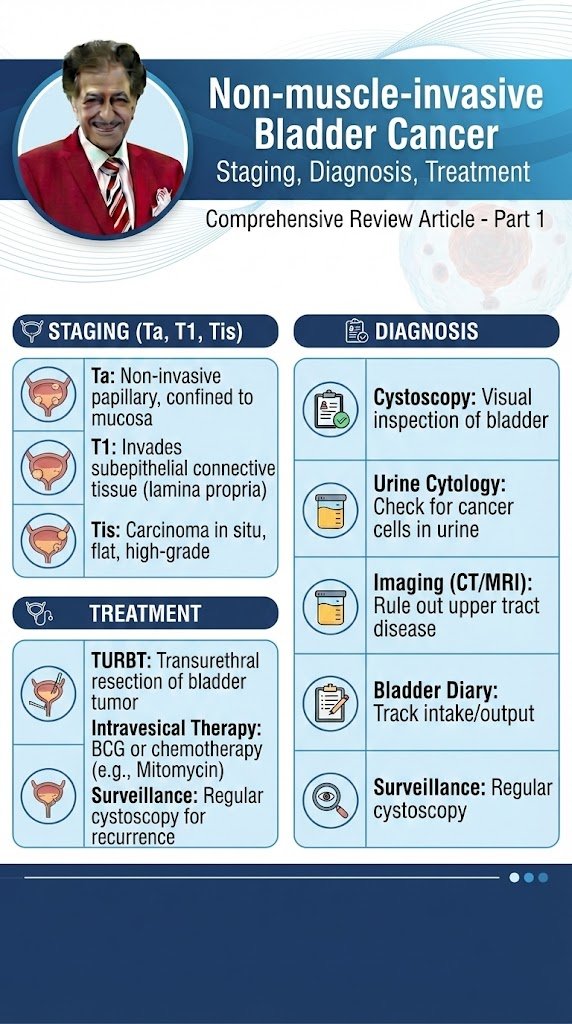
Non-muscle-invasive Bladder Cancer Part 1 Comprehensive Review Article Prof. Dr. Semir. A. Salim. Al Samarrai EPIDEMIOLOGY, AETIOLOGY AND PATHOLOGY: Epidemiology Bladder cancer (BC) is the seventh most commonly diagnosed cancer in the male population worldwide, while it drops to tenth when both genders are considered [1]. The worldwide age-standardised incidence rate (per 100,000 person/years) is 9.5 in men and 2.4 in women [1]. In the European Union the age-standardised incidence rate is 20 for men and 4.6 for women [1]. Worldwide, the BC age-standardised mortality rate (per 100,000 person/years) was 3.3 for men vs. 0.86 for women [1]. Bladder cancer incidence and mortality rates vary across countries due to differences in risk factors, detection and diagnostic practices, and availability of treatments. The variations are, however, partly caused by the different methodologies used and the quality of data collection [2]. The incidence and mortality of BC has decreased in some registries, possibly reflecting the decreased impact of causative agents [3]. Approximately 75% of patients with BC present with a disease confined to the mucosa (stage Ta, CIS) or submucosa (stage T1); in younger patients (< 40 years of age) this percentage is even higher [4]. Patients with TaT1 and CIS have a high prevalence due to long-term survival in many cases and lower risk of cancer-specific mortality compared to T2-4 tumours [1,2]. Aetiology Tobacco smoking is the most important risk factor for BC, accounting for approximately 50% of cases [2,3, 5–7]. The risk of BC increases with smoking duration and smoking intensity [6]. Low-tar cigarettes are not associated with a lower risk of developing BC [6]. The risk associated with electronic cigarettes is not adequately assessed; however, carcinogens have been identified in urine [8]. Environmental exposure to tobacco smoke is also associated with an increased risk of BC [2]. Tobacco smoke contains aromatic amines and polycyclic aromatic hydrocarbons, which are renally excreted. Occupational exposure to aromatic amines, polycyclic aromatic hydrocarbons and chlorinated hydrocarbons is the second most important risk factor for BC, accounting for about 10% of all cases. This type of occupational exposure occurs mainly in industrial plants which process paint, dye, metal, and petroleum products [2, 3, 9, 10]. In developed industrial settings these risks have been reduced by work-safety guidelines; therefore, chemical workers no longer have a higher incidence of BC compared to the general population [2, 9, 10]. Recently, greater occupational exposure to diesel exhaust has been suggested as a significant risk factor (odds ratio [OR]: 1.61; 95% confidence interval [CI]: 1.08–2.40) [11]. While family history seems to have little impact [12] and, to date, no overt significance of any genetic variation for BC has been shown; genetic predisposition has an influence on the incidence of BC via its impact on susceptibility to other risk factors [2, 13–17]. This has been suggested to lead to familial clustering of BC with an increased risk for first- and second-degree relatives (hazard ratio [HR]: 1.69; 95% CI: 1.47−1.95) [18]. Although the impact of drinking habits is uncertain, the chlorination of drinking water and subsequent levels of trihalomethanes are potentially carcinogenic, also exposure to arsenic in drinking water increases risk [2, 19]. Arsenic intake and smoking have a combined effect [20]. The association between personal hair dye use and risk remains uncertain; an increased risk has been suggested in users of permanent hair dyes with a slow NAT2 acetylation phenotype [2] but a large prospective cohort study could not identify an association between hair dye and risk of most cancer and cancer-related mortality [21]. Dietary habits seem to have limited impact, recently protective impact of flavonoids has been suggested and a Mediterranean diet, characterised by a high consumption of vegetables and non-saturated fat (olive oil) and moderate consumption of protein, was linked to some reduction of BC risk (HR: 0.85, 95% CI: 0.77−0.93) [22–27]. The impact of an increased consumption of fruits has been suggested to reduce the risk of BC; to date, this effect has been demonstrated to be significant in women only (HR: 0.92; 95% CI: 0.85–0.99) [28]. Exposure to ionizing radiation is connected with increased risk; a weak association was also suggested for cyclophosphamide and pioglitazone [2, 19, 29]. The impact of metabolic factors (body mass index, blood pressure, plasma glucose, cholesterol, and triglycerides) is uncertain [30]. Schistosomiasis, a chronic endemic cystitis based on recurrent infection with a parasitic trematode, is also a cause of BC [2]. PATHOLOGICAL STAGING AND CLASSIFICATION SYSTEMS: Definition of non-muscle-invasive bladder cancer LE 2a 3 3 Tumours confined to the mucosa and invading the lamina propria are classified as stage Ta and T1, respectively, according to the Tumour, Node, Metastasis (TNM) classification system [31]. Intra-epithelial, highgrade (HG) tumours confined to the mucosa are classified as CIS (Tis). All of these tumours can be treated by transurethral resection of the bladder (TURB), eventually in combination with intravesical instillations and are therefore grouped under the heading of NMIBC for therapeutic purposes. The term ‘non-muscle-invasive BC’ represents a group definition and all tumours should be characterised according to their stage, grade, and further pathological characteristics. Tumour, Node, Metastasis Classification (TNM) The latest TNM classification approved by the Union International Contre le Cancer (UICC) (8th Edn.) is referred to (Table 1) [31]. Table 1: 2017 TNM classification of urinary bladder cancer T1 subclassification The depth and extent of invasion into the lamina propria (T1 sub-staging) has been demonstrated to be of prognostic value in retrospective cohort studies [32, 33]. Its use is recommended by the most recent 2016 World Health Organization (WHO) classification [34]. T1 sub-staging methods are based either on micrometric (T1e and T1m) or histo-anatomic (T1a and T1b) principles; the optimal classification system, however, remains to be defined [34, 35]. Carcinoma in situ and its classification Carcinoma in situ is a flat, HG, non-invasive urothelial carcinoma. It can be missed or misinterpreted as an inflammatory lesion during cystoscopy if not biopsied. Carcinoma in situ is often multifocal and can occur in the bladder, but also in the upper urinary tract (UUT), prostatic ducts, and

Non-muscle-invasive Bladder Cancer قراءة المزيد »

Scroll to Top