Urological Cancers

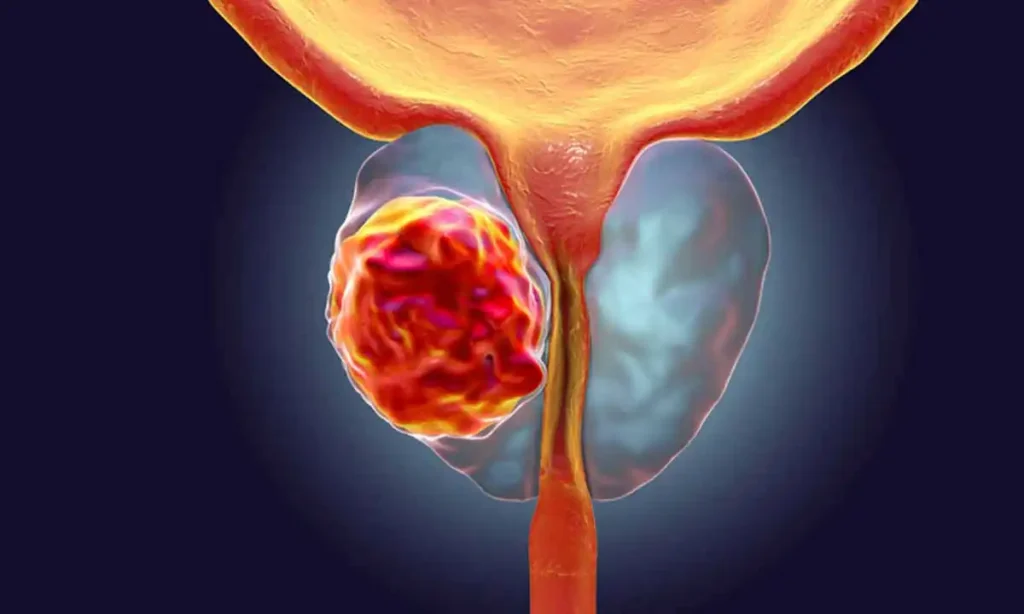
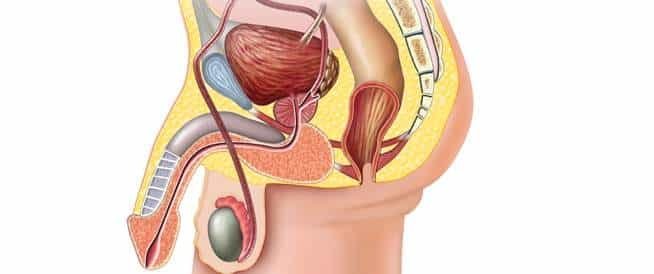
Urological cancers include cancers of the prostate, bladder, kidney, testis and upper urinary tract. The key warning sign is blood in the urine, even once and without pain, as well as a lump in a testicle or a raised PSA. Treatment depends on the type and stage of the cancer and is planned by the urologist and oncologist together, following the guidelines.

This section covers prostate, bladder, kidney, testicular and upper tract cancers, from diagnosis to treatment and follow-up. See also our urology services.

References

  1. EAU Guidelines on Prostate Cancer
  2. EAU Guidelines on Non-muscle-invasive Bladder Cancer
  3. EAU Guidelines on Renal Cell Carcinoma
  4. Symptoms of bladder cancer – NHS
Renal Cell Carcinoma

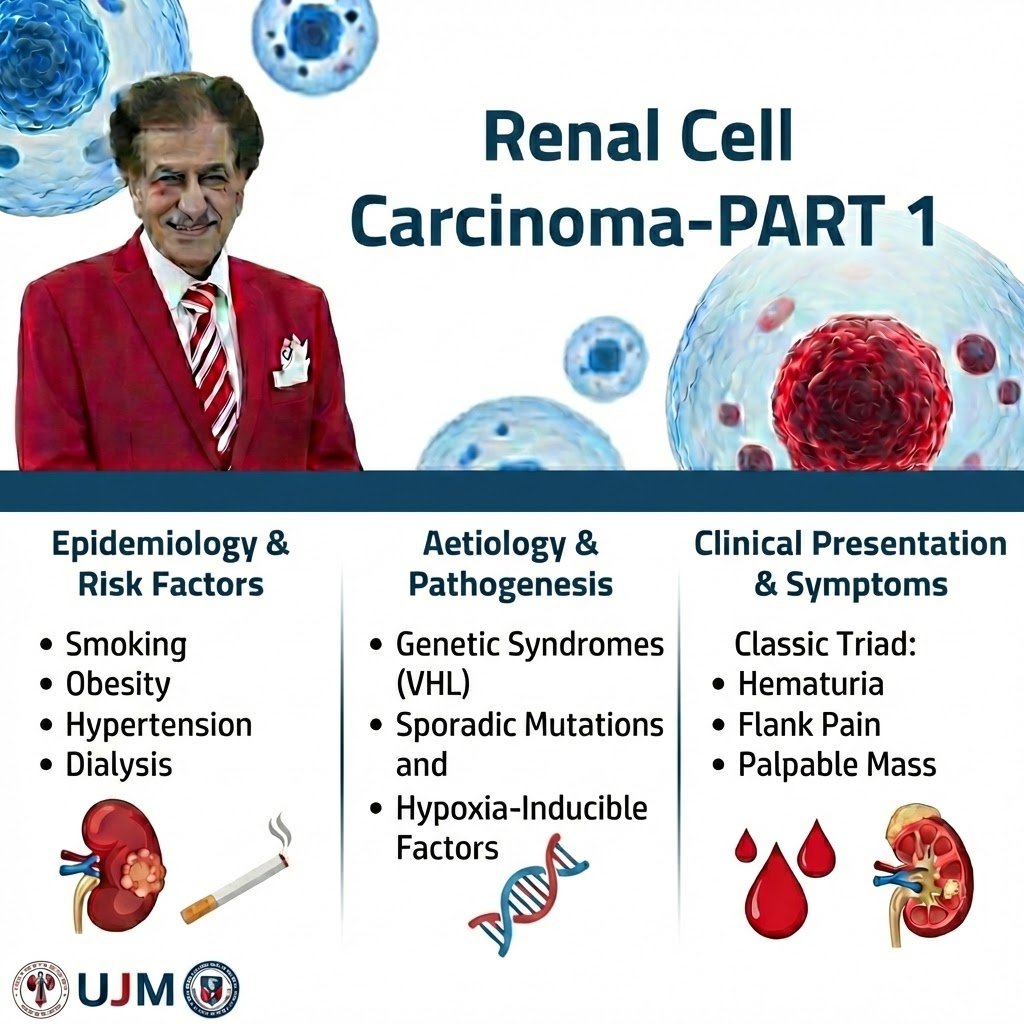
Renal Cell Carcinoma, Part 1: Epidemiology, Aetiology and Pathology

Quick answer: Renal cell carcinoma is a cancer that starts in the tissue of the kidney. It often causes no symptoms and is commonly found during tests done for another reason. Recognised risk factors include smoking, excess weight, high blood pressure, long-term dialysis, family history and some inherited conditions. Blood in the urine or persistent

Renal Cell Carcinoma, Part 1: Epidemiology, Aetiology and Pathology Read More »
prostate cancer screening dubai

Upper Urinary Tract Urothelial Carcinoma

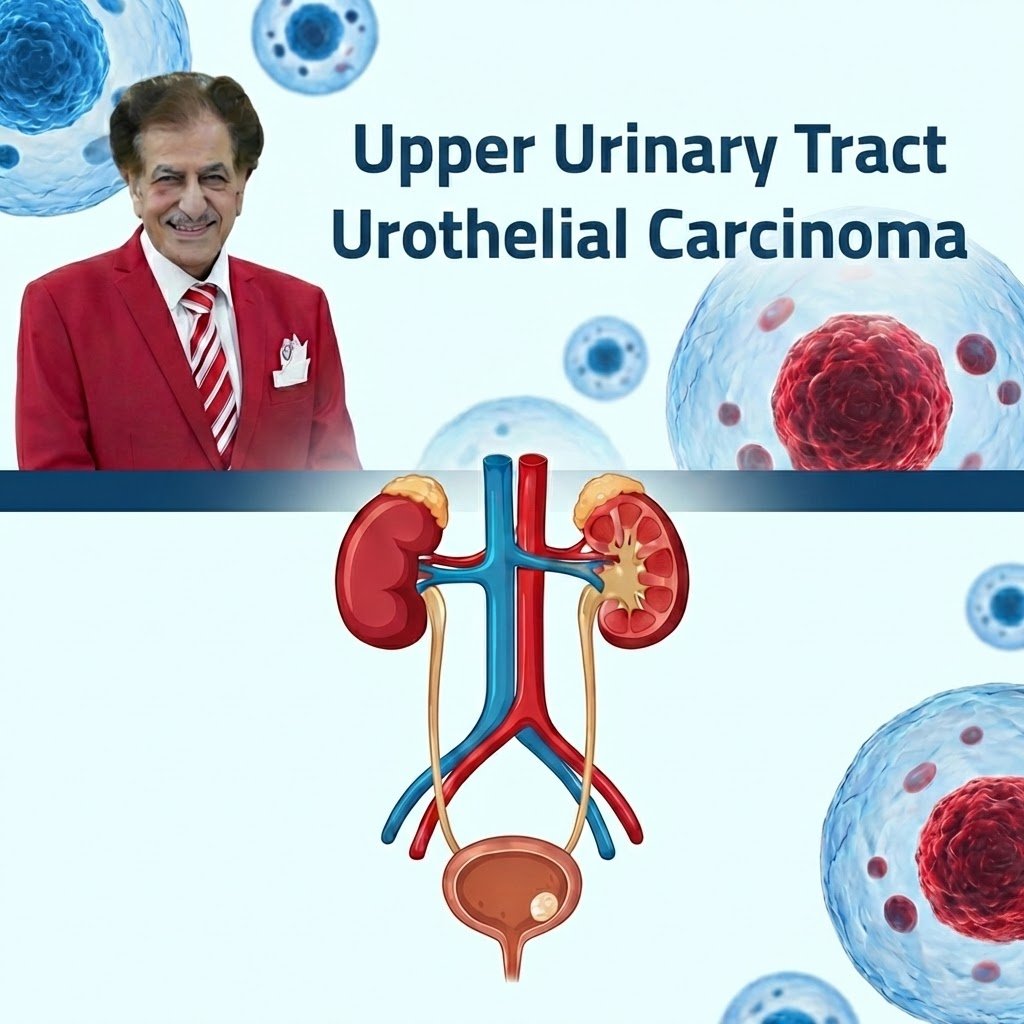
Quick answer: Upper tract urothelial carcinoma is a cancer of the lining of the renal pelvis or ureter. Its main warning sign is blood in the urine, sometimes with side pain. Diagnosis relies on CT urography, urine tests and ureteroscopy. Treatment is usually surgery, selected low-grade tumours can be treated endoscopically, and the bladder needs

Upper Urinary Tract Urothelial Carcinoma Read More »

Amelioration of survival outcome after early prostatectomy

Amelioration of survival outcome after early prostatectomy

Quick answer: Finding prostate cancer while it is still confined to the prostate is linked to high survival: according to the American Cancer Society, five-year relative survival is above 99% for localized disease, compared with 38% once it has spread to distant organs. Radical prostatectomy is one option for localized cancer; radiotherapy or active surveillance

Amelioration of survival outcome after early prostatectomy Read More »

The high incidence of prostate cancer (the second cancer in men), its causes and early diagnosis

Quick answer: Prostate cancer risk rises with age, and according to Cancer Research UK 1 in 6 UK men will get it. The NHS lists older age, Black African or African Caribbean heritage, family history and inherited genes such as BRCA2 as key risk factors. Early disease rarely causes symptoms, so discuss screening with a

The high incidence of prostate cancer (the second cancer in men), its causes and early diagnosis Read More »

The new world pattern of prostate cancer

Quick answer: Prostate cancer is becoming more common worldwide. According to the Lancet Commission on prostate cancer, annual new cases are projected to rise from 1.4 million in 2020 to 2.9 million by 2040, and yearly deaths from 375,000 to almost 700,000, with the largest increases in low- and middle-income countries, where most of the

The new world pattern of prostate cancer Read More »

احجز موعدك مع البروفيسور السامرائي

مركز البروفيسور السامرائي الطبي في مدينة دبي الطبية. سجّل بياناتك أو راسلنا على واتساب.

مركز البروفيسور السامرائي الطبي

البروفيسور الدكتور سمير أحمد السامرائي، استشاري المسالك البولية.
رقم الترخيص (MOHAP): ZGU3I12X-291225

خدماتنا

تواصل معنا

© 2020 البروفيسور سمير السامرائي.

تم التعديل وعمل السيو مع شركة ماركتير مارت للتسويق الالكتروني https://marketermartllc.com

Scroll to Top