
The Professor’s Articles

Clinical articles written by Prof. Dr. Samir Ahmed Al-Samarrai, consultant urologist at Prof. Al-Samarrai Medical Center in Dubai Healthcare City, including series that summarise the European Association of Urology (EAU) guidelines on the prostate, male infertility, the bladder, urological cancers and infections.

Each article is also listed under its topic, such as Prostate, Urological Cancers and Male Infertility & Men's Health. See also our urology services.

References

  1. EAU Guidelines on Prostate Cancer
  2. EAU Guidelines on Sexual and Reproductive Health

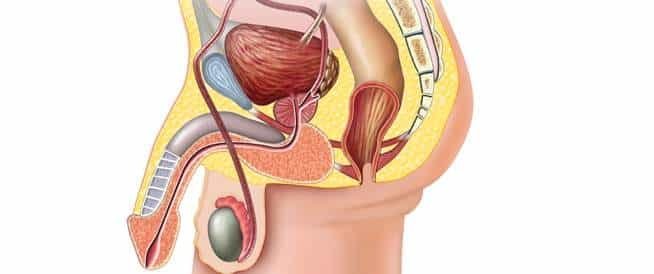
The high incidence of prostate cancer (the second cancer in men), its causes and early diagnosis

Quick answer: Prostate cancer risk rises with age, and according to Cancer Research UK 1 in 6 UK men will get it. The NHS lists older age, Black African or African Caribbean heritage, family history and inherited genes such as BRCA2 as key risk factors. Early disease rarely causes symptoms, so discuss screening with a

The high incidence of prostate cancer (the second cancer in men), its causes and early diagnosis Read More »

Pshot

THE RESTORATIVE AND REGENERATIVE L-SWT AND P-SHOT THERAPY OF THE ERECTILE DYSFUNCTION

Quick answer: Low-intensity shockwave therapy (Li-SWT) and the P-shot are restorative options still under study. The European Association of Urology gives Li-SWT only a weak recommendation for mild vasculogenic erectile dysfunction, and advises that platelet-rich plasma injections be used only within clinical trials. The American Urological Association calls shockwave therapy investigational and PRP experimental. Erectile

THE RESTORATIVE AND REGENERATIVE L-SWT AND P-SHOT THERAPY OF THE ERECTILE DYSFUNCTION Read More »

The new world pattern of prostate cancer

Quick answer: Prostate cancer is becoming more common worldwide. According to the Lancet Commission on prostate cancer, annual new cases are projected to rise from 1.4 million in 2020 to 2.9 million by 2040, and yearly deaths from 375,000 to almost 700,000, with the largest increases in low- and middle-income countries, where most of the

The new world pattern of prostate cancer Read More »

The latest treatments for overactive bladder (non-neurological) syndrome in women and men.

Quick answer: According to the 2024 AUA/SUFU guideline on idiopathic overactive bladder, treatment starts with bladder training and behavioural changes for everyone, followed by antimuscarinic or beta-3 agonist medicines. If these do not help enough or are not tolerated, options include sacral neuromodulation, percutaneous tibial nerve stimulation and botulinum toxin injections into the bladder muscle,

The latest treatments for overactive bladder (non-neurological) syndrome in women and men. Read More »

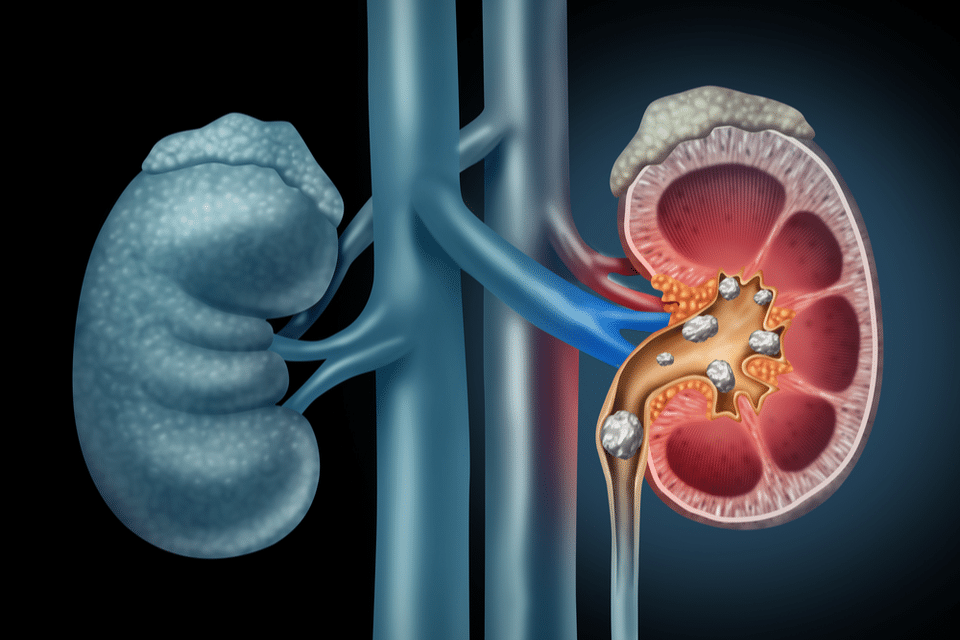
Kidney stones, its causes and prevention during month of Ramadan

Quick answer: Prevention during Ramadan lowers the risk of kidney stones but cannot guarantee that they will not form. A systematic review in the Canadian Urological Association Journal concluded that fasting is unlikely to significantly increase stone risk, yet people who have had stones before should see a urologist ahead of Ramadan for a tailored

Kidney stones, its causes and prevention during month of Ramadan Read More »

Acute and chronic prostatitis

Quick answer: Acute prostatitis is a sudden, severe bacterial infection treated with antibiotics, sometimes in hospital. Chronic prostatitis means symptoms lasting 3 months or longer, according to the NHS. It may be a slow bacterial infection or, most commonly according to the NIDDK, chronic pelvic pain syndrome, which is not bacterial and needs a combined

Acute and chronic prostatitis Read More »

Treatment of Urinary incontinence in children

Quick answer: Treatment of urinary incontinence in children depends on the cause. According to NHS Fife, daytime wetting is managed with regular water-based drinks, timed toilet visits and treating constipation, while NICE recommends a bedwetting alarm or a medicine chosen by the doctor for night-time wetting. Infections, an overactive bladder or urinary tract problems need

Treatment of Urinary incontinence in children Read More »

Male infertility and misuse of steroids

Quick answer: Yes, misuse of anabolic steroids can cause male infertility. According to the NHS, it can reduce sperm count and lead to shrunken testicles and erectile dysfunction. The European Association of Urology guidelines advise infertile men to stop anabolic steroids for 6 to 12 months before other treatment is considered, under medical supervision. Male

Male infertility and misuse of steroids Read More »

احجز موعدك مع البروفيسور السامرائي

مركز البروفيسور السامرائي الطبي في مدينة دبي الطبية. سجّل بياناتك أو راسلنا على واتساب.

مركز البروفيسور السامرائي الطبي

البروفيسور الدكتور سمير أحمد السامرائي، استشاري المسالك البولية.
رقم الترخيص (MOHAP): ZGU3I12X-291225

خدماتنا

تواصل معنا

© 2020 البروفيسور سمير السامرائي.

تم التعديل وعمل السيو مع شركة ماركتير مارت للتسويق الالكتروني https://marketermartllc.com

Scroll to Top